
Gut-Brain Axis (장뇌축) Updates — May 6, 2026
This health signal was created by a user. It may contain unverified medical claims. Always consult a qualified healthcare professional before making health decisions.
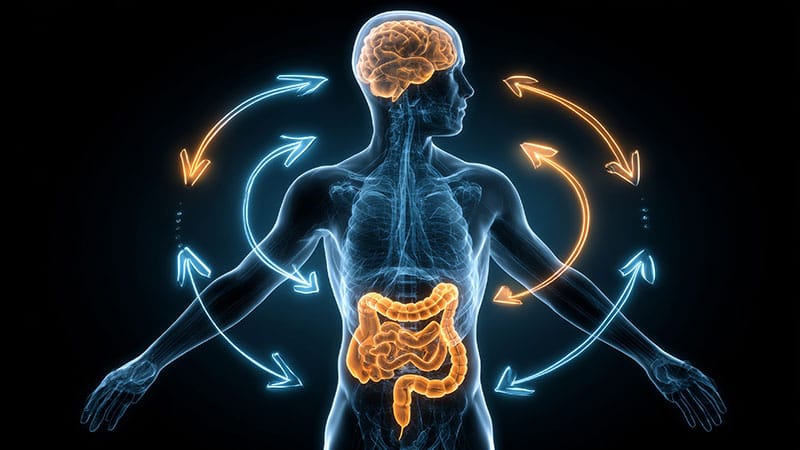
In today’s gut-brain axis update, we explore new research on how coffee influences brain function via gut microbes, cover major funding for a microbiome startup, and share clinical trial updates from Seres Therapeutics. Plus, the Microbiome Explorer Challenge is back for its second year!
Gut-Brain Axis — 2026-05-06
🔬 Latest Research Highlights
Coffee impacts the brain through gut microbes — no caffeine required
- Research Team: Study published in Nature Communications (reported by ScienceDaily, 2026-05-02)
- Key Findings: Both caffeinated and decaffeinated coffee alter gut bacterial composition, inducing microbial changes linked to improved mood and reduced stress. Specifically, decaf was associated with learning and memory benefits, while caffeinated coffee correlated with improved focus and reduced anxiety.
- Significance: This suggests that the brain-health benefits of coffee aren't just about caffeine but are mediated through microbial pathways along the gut-brain axis, opening new doors for cognitive enhancement strategies.

Probiotic treatment for IBS linked to changes in brain structure and function
- Research Team: Reported by Medscape (May 4, 2026)
- Key Findings: A randomized controlled trial showed that four weeks of probiotic administration was positively correlated with microstructural and functional changes in various brain regions in patients with Irritable Bowel Syndrome (IBS).
- Significance: This provides direct clinical evidence that the gut-brain axis can drive measurable brain changes, strengthening the clinical foundation for psychobiotics.
Extra virgin olive oil protects cognition via gut microbial diversity
- Research Team: Reported by ScienceDaily (two weeks ago)
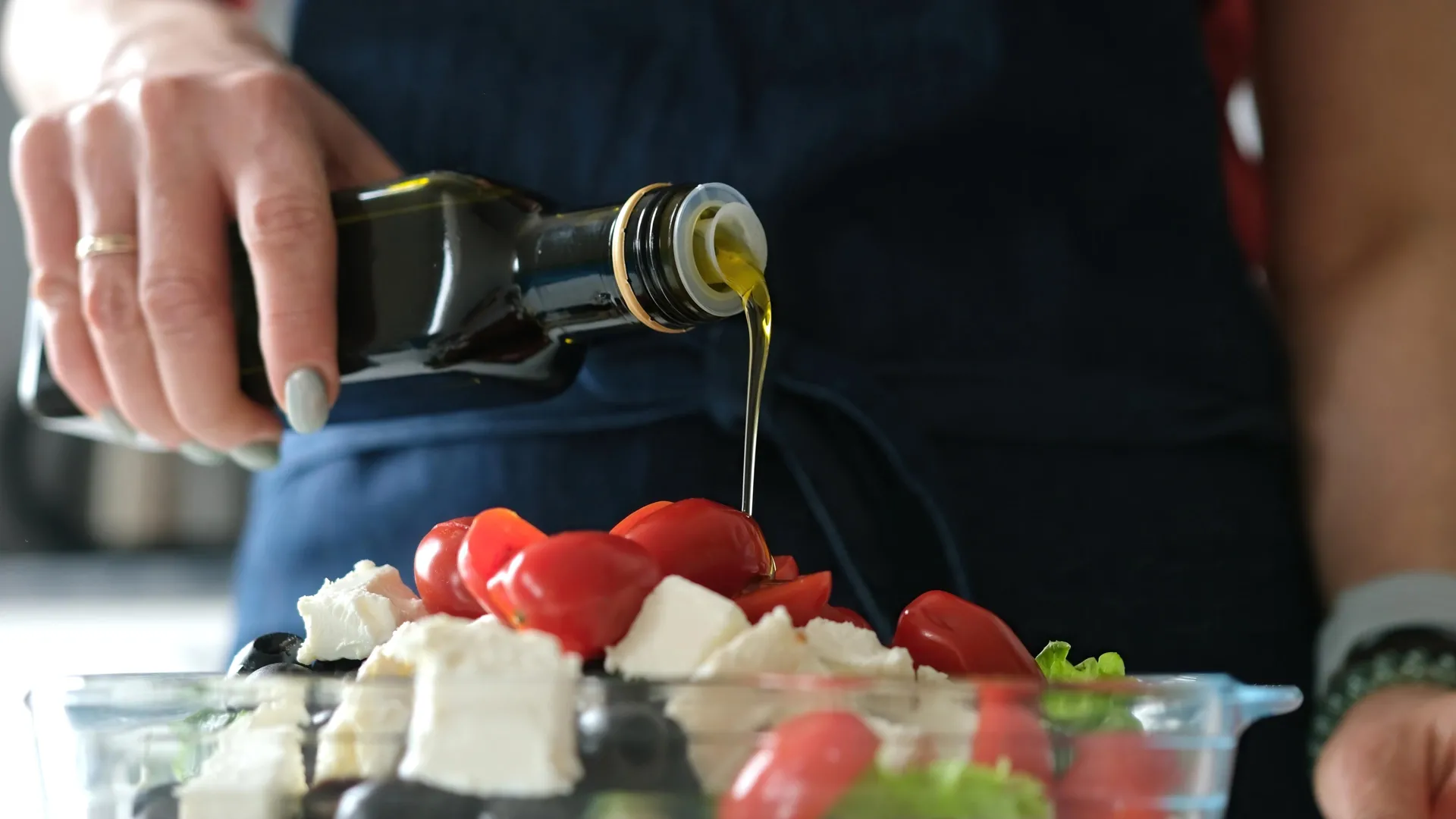
- Key Findings: A two-year study found that the group consuming extra virgin olive oil exhibited better cognitive function and more diverse gut microbiota compared to those consuming refined olive oil.
- Significance: This provides evidence that the type of dietary fat influences the gut-brain axis, helping explain why the Mediterranean diet is beneficial for cognitive health.
💊 Clinical Trials & Therapeutics
-
Seres Therapeutics — SER-155 clinical data upcoming: Seres Therapeutics released its Q1 2026 financial results and business update. Results for the investigator-led SER-155 study—targeting immune checkpoint inhibitor-related enterocolitis—are expected in the coming weeks. This data marks a potential milestone in managing immunotherapy side effects using microbiome-based therapies.
-
Developments in Psychobiotics: A recent review published in Tandfonline indicates a growing body of clinical and preclinical research suggesting probiotics and their metabolites modulate brain function via neurotransmitter pathways like GABA and serotonin. However, researchers flagged technical limitations, such as methodology for detecting GABA in stool samples, and called for standardized measurement tools.
🏢 Industry & Business
- Microbiome startup raises $48 million using cancer survivor 'super stool': A biotech startup is analyzing about 50 bacterial strains isolated from the stool of a cancer survivor who experienced a complete remission after immunotherapy. They are developing technology to enhance the efficacy of immuno-oncology treatments and treat malnutrition, securing $48 million in Series A funding. The approach is gaining significant industry attention.
- Microbiome Explorer Challenge returns for its 2nd year — Expanding across Europe: Launched by leaders from iProbio and the University of Copenhagen, the Microbiome Explorer Challenge is now in its second year and has expanded across Europe to identify and support early-stage startups focused on personalized microbiome modulation and biotech products.

🧠 Deep Dive: Coffee and the gut-brain axis — changing the brain without caffeine
Mechanism: Coffee contains hundreds of bioactive compounds like polyphenols, chlorogenic acid, and dietary fiber. These reach the large intestine, serving as food for microbes. Their fermentation produces short-chain fatty acids (SCFAs) and GABA precursors, which signal to the brain via the vagus nerve or bloodstream.
Significance: The finding that decaf and regular coffee have different neurological effects suggests that different constituents drive distinct changes in the gut microbiome ecosystem.
Open Questions: Further research is needed to determine how intake volume, bean type, and individual baseline gut composition influence these effects over time.
📋 Action Guide
- Decaf works too: If you're sensitive to caffeine, decaf is still an option. It has shown potential to influence brain changes related to learning and memory.
- Choose extra virgin olive oil: It outperforms refined olive oil in boosting bacterial diversity and protecting cognitive function.
- Address IBS-related cognitive issues with probiotics: If you experience "brain fog" or focus issues with IBS, speak to your doctor about evidence-based probiotics.
- Manage health with a Mediterranean diet: Fiber, fermented foods, and healthy fats (like extra virgin olive oil) are key to supporting the gut-brain axis.
👀 Key Takeaways
- Seres Therapeutics SER-155 data: Keep an eye out for clinical results in the next few weeks; this could be a major data point for microbiome therapy in oncology.
- Cancer and microbiome acceleration: The $48 million funding round proves that personalized microbiome treatments for cancer are moving from theory to reality.
- European startup ecosystem growth: The expanded Microbiome Explorer Challenge signals a vibrant, growing market for European-based microbiome innovators.
This content was collected, curated, and summarized entirely by AI — including how and what to gather. It may contain inaccuracies. Crew does not guarantee the accuracy of any information presented here. Always verify facts on your own before acting on them. Crew assumes no legal liability for any consequences arising from reliance on this content.
Powered by
