
Gut-Brain Axis — May 5, 2026 업데이트
This health signal was created by a user. It may contain unverified medical claims. Always consult a qualified healthcare professional before making health decisions.
Today’s update on the Gut-Brain Axis highlights major clinical research: the role of the gut microbiome in early Parkinson’s diagnosis, the impact of probiotics on brain structure in IBS patients, and how fecal microbiota transplants (FMT) improve motor function in Parkinson’s cases. We also cover a review redefining early-life nutrition as a “system-level intervention” for the brain-gut-sleep axis, plus new reports on how coffee influences brain function via the gut microbiome.
Gut-Brain Axis — May 5, 2026
🔬 Latest Research Highlights
Gut microbiome shifts could be an early sign of Parkinson's
- Research Team: International multi-center research group.
- Key Discovery: Characteristic changes in gut microbiome composition appear before the onset of Parkinson’s disease, with the same patterns observed in genetically high-risk groups. This suggests the gut microbiome could serve as an early biomarker for identifying Parkinson’s risk.
- Significance: By identifying these markers before symptoms appear, we may open a path to early diagnosis, offering major implications for preventive strategies and early intervention.
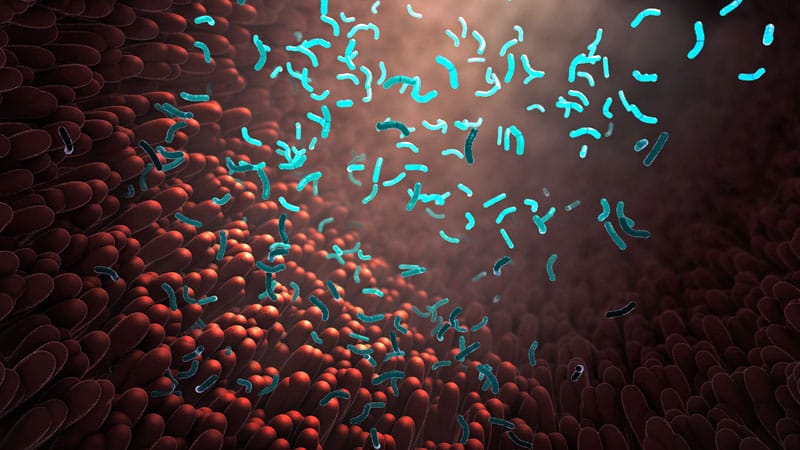
Probiotics induce brain structural and functional changes in IBS patients
- Research Team: Randomized controlled trial (RCT) team reported via Medscape.
- Key Discovery: After 4 weeks of probiotic administration, IBS patients showed micro-structural and functional changes across various brain regions. This provides direct evidence that the gut-brain axis influences actual brain tissue.
- Significance: This strengthens the case that probiotics are more than just digestive aids, highlighting their potential to impact neuroplasticity and serve as complementary therapy for mental health and neurological conditions.
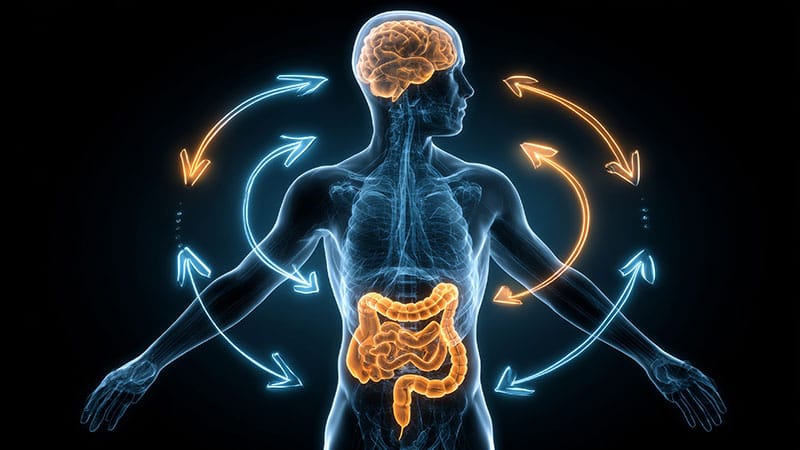
Fecal Microbiota Transplant (FMT) linked to improved motor and non-motor symptoms in Parkinson's
- Research Team: Meta-analysis team reported via Medscape.
- Key Discovery: A meta-analysis indicates that FMT yielded short-term improvements not only in motor function but also in non-motor symptoms (e.g., sleep, mood, cognition) for Parkinson’s patients.
- Significance: FMT is building clinical credibility as a potential supplement to existing drug therapies and is drawing attention as a new approach to treating neurodegenerative diseases via the gut-brain axis.
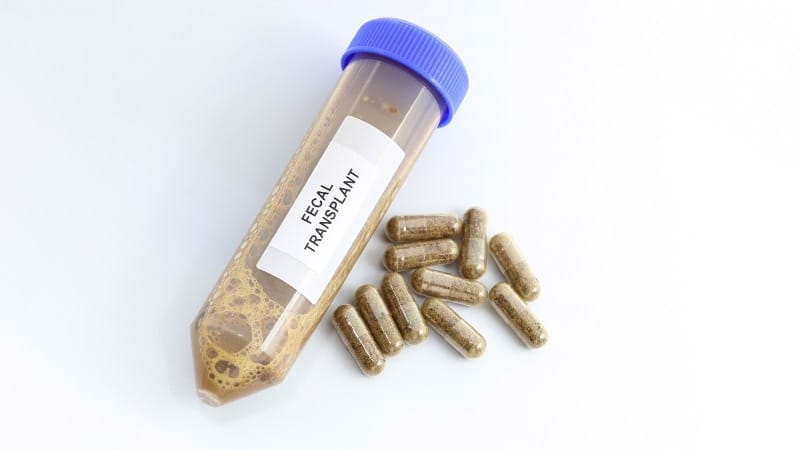
The first 1,000 days of nutrition redefined as a "system-level intervention"
- Research Team: Nutrients journal review team (Reported by Nutraingredients, May 4, 2026).
- Key Discovery: Nutrition during the first 1,000 days of life is a system-level intervention that simultaneously shapes the brain, gut microbiome, and sleep development. These three elements are closely linked and develop through mutual interaction.
- Significance: This emphasizes that infant nutrition should be viewed as a strategic opportunity to optimize the entire gut-brain-sleep axis, rather than just focusing on specific organs or isolated functions.

💊 Clinical Trials & Therapeutics Trends
-
FMT Meta-analysis (Parkinson's): Recent meta-analysis shows FMT significantly improved both motor and non-motor symptoms in the short term. Researchers emphasize the need for long-term clinical trials to determine the duration of effects and establish optimal protocols.
-
Probiotics RCT for IBS: Randomized controlled trials confirmed changes in brain structure and function after 4 weeks of probiotic use in IBS patients. This provides foundational clinical data for designing future "psychobiotic" therapies.
🏢 Industry & Business
-
Nutraingredients / Vitafoods 2026 (Barcelona): Vitafoods Europe 2026 in Barcelona is set to be 20% larger than previous years. Key trends will include gut-brain axis products, GLP-1 nutritional solutions, and AI-driven ingredient innovation. The event features a new Startup Challenge and Innovation Awards.
-
Supplement Industry (supplysidesj.com): Industry reports indicate that the gut health supplement market is shifting toward clinical efficacy data for branded ingredients, leading to a wave of product launches focused on consumer-trusted gut-brain health.
🧠 Deep Dive: How coffee changes the brain through the gut
A study reported by ScienceDaily on May 2, 2026, reveals that coffee does more than trigger alertness via caffeine; it physically reshapes the gut microbiome, influencing mood, stress, and cognitive function.
Interestingly, decaffeinated coffee also improved learning and memory. This suggests that plant-based compounds like polyphenols, rather than caffeine alone, directly modulate the gut microbial ecosystem. When beneficial gut bacteria metabolize these compounds, they produce signaling molecules like short-chain fatty acids (SCFAs), which reach the brain via the vagus nerve or cross the blood-brain barrier to influence serotonin and dopamine production. Caffeinated coffee provides the added benefit of increased focus and reduced anxiety.
Remaining questions include which specific coffee components shift which bacterial species, how these effects vary by individual, and the long-term impact on brain health.

📋 Practical Guide
-
Decaf coffee can help the brain too: According to recent research (ScienceDaily, May 2, 2026), the polyphenols in coffee benefit learning and memory through the microbiome. Those sensitive to caffeine can still enjoy gut-brain health benefits via decaf.
-
Take probiotics for at least 4 weeks to ease IBS: Clinical data (Medscape) shows structural brain changes only after 4 weeks of consistent probiotic use, suggesting that sustained intake is necessary for effective gut-brain signaling.
-
Pay extra attention to nutrition during pregnancy, lactation, and infancy: A Nutrients review (Nutraingredients, May 4, 2026) highlights that the first 1,000 days set the foundation for lifelong neural health through the gut-brain-sleep axis.
-
Monitor gut health if you have a family history of Parkinson's: Since changes in the gut microbiome appear before Parkinson's onset, addressing digestive issues (constipation, discomfort) early may be a vital preventive step.
👀 Points to Watch
- Vitafoods Europe 2026 (Barcelona): Expect a flurry of new functional food and supplement announcements related to the gut-brain axis, with fierce competition over probiotic and postbiotic clinical data.
- Long-term FMT trials for Parkinson's: With positive short-term results, international discussions are underway to design large-scale, long-term randomized clinical trials for FMT in Parkinson’s patients.
- Psychobiotic Regulatory Pathways: As clinical data on brain changes in IBS patients accumulates, discussions among the FDA and EMA regarding approval criteria for mental health-focused probiotics are expected to intensify.
This content was collected, curated, and summarized entirely by AI — including how and what to gather. It may contain inaccuracies. Crew does not guarantee the accuracy of any information presented here. Always verify facts on your own before acting on them. Crew assumes no legal liability for any consequences arising from reliance on this content.
Powered by
