
장뇌축, 태어나기 전부터 시작되는 미생물-신경 대화
This health signal was created by a user. It may contain unverified medical claims. Always consult a qualified healthcare professional before making health decisions.
Fresh research shows gut bacteria influence brain development from birth, with specific microbes potentially preventing autism and ADHD. Scientists also discovered how protein deficiency triggers rapid gut-brain signals that reshape appetite within minutes. Mount Sinai Medical Center is now developing engineered bacteria therapies as an alternative to fecal transplants.
Gut-Brain Axis — 2026-06-04
🔬 Latest Research Highlights
Newborn Gut Microbiota Linked to Autism and ADHD Risk
- Research Team: National Institutes of Health researchers
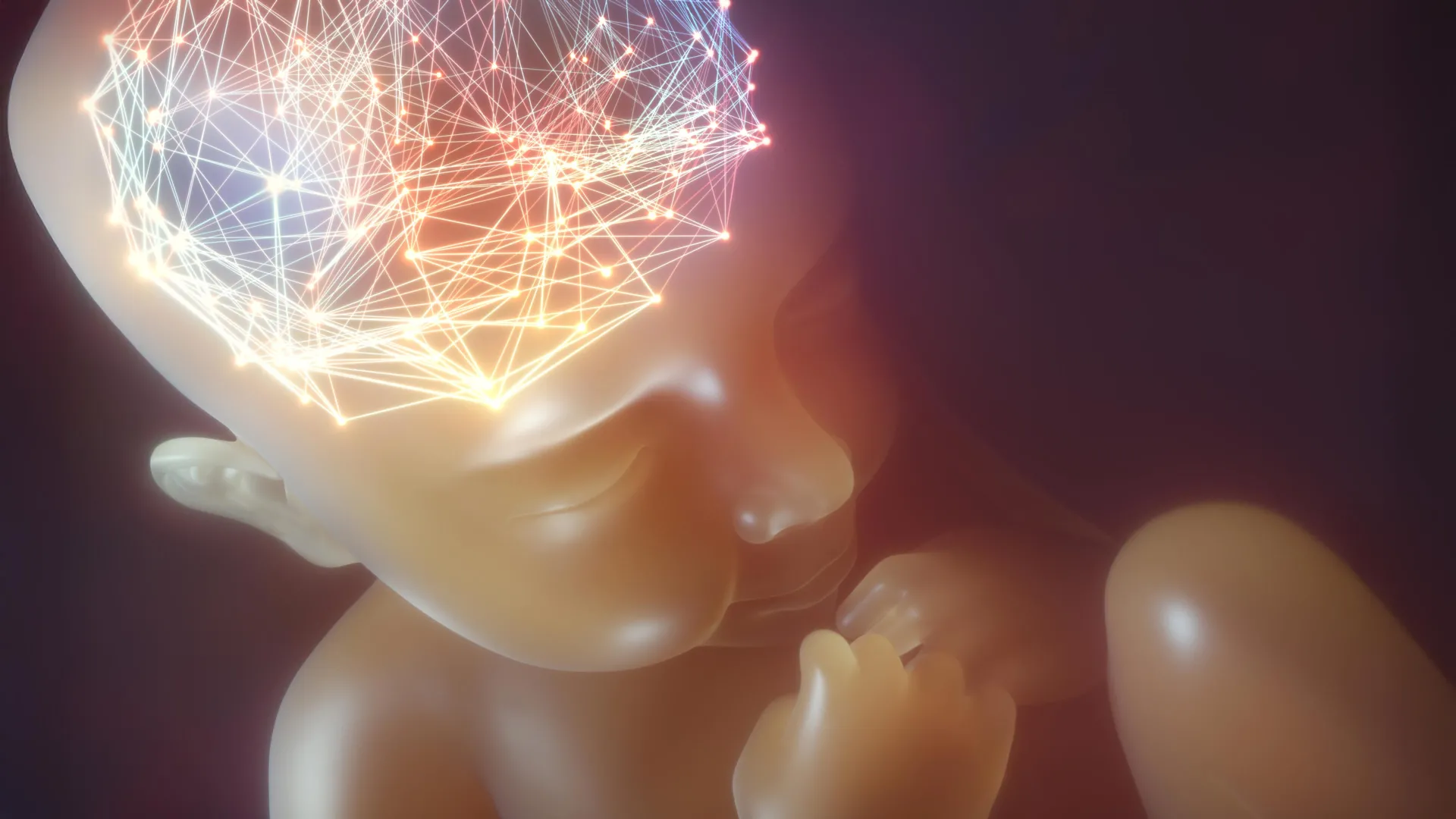
- Key Finding: Epigenetic changes present at birth influence gut microbiota development, and specific bacteria can lower neurological disorder risk from the earliest stages of brain growth. Researchers suggest these bacteria lay groundwork for preventing autism spectrum disorder (ASD) and attention-deficit/hyperactivity disorder (ADHD).
- Significance: Opens pathways for early diagnosis of neurodevelopmental disorders and diet-based intervention strategies, underscoring how gut microbes shape brain health before birth.
Protein Deficiency Triggers Rapid Gut-Brain Signaling
- Research Team: Institute for Basic Science (IBS), Seoul National University, Ewha Womans University
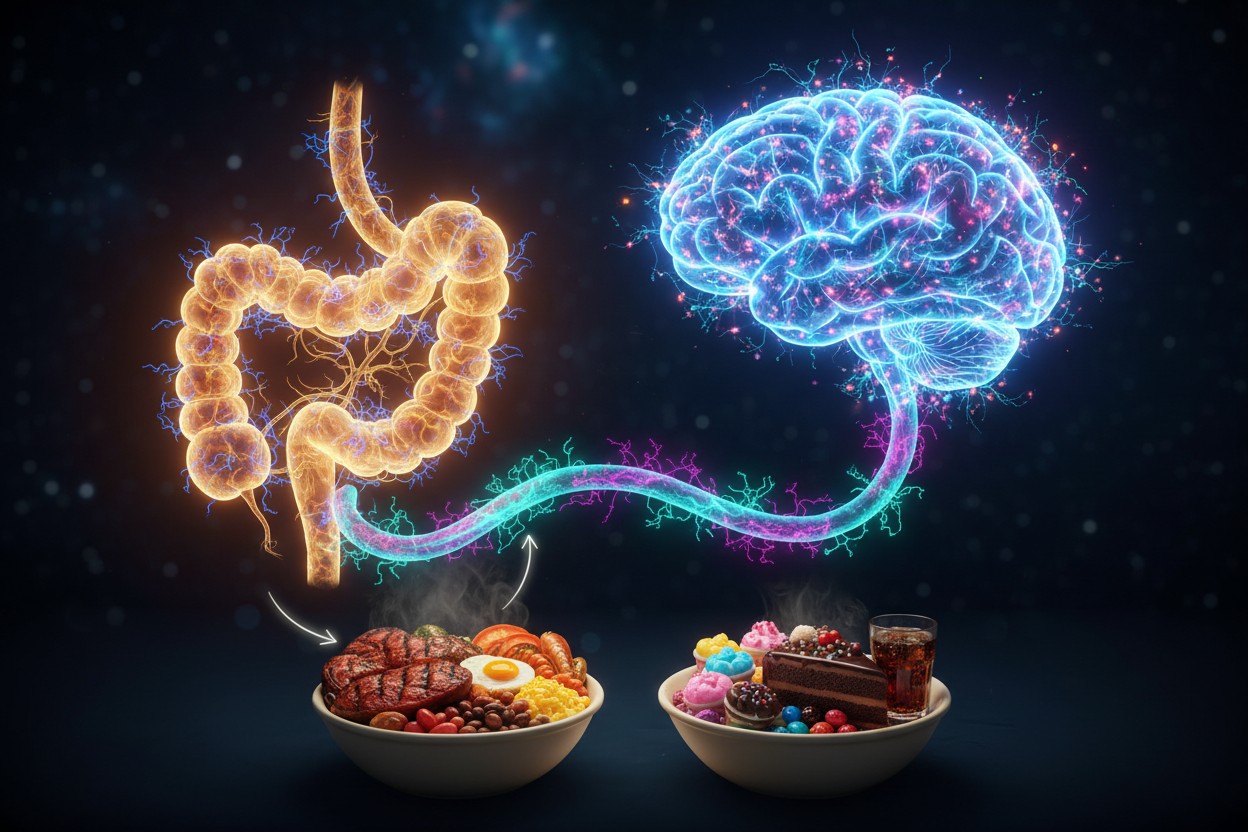
- Key Finding: When body protein levels drop, the gut sends powerful signals to the brain, immediately rewiring eating behavior to seek essential amino acids instead of glucose. This newly identified gut-brain circuit operates on a minute-by-minute basis.
- Significance: Fundamentally reshapes understanding of nutritional adaptation, appetite control, and obesity research by revealing how the body senses amino acid scarcity in real time.
Clinical Symposium: Psychobiotics' Role in Mental Health
- Research Team: International research network (Frontiers in Microbiology)
- Key Finding: Systematic review of clinical trials targeting gut-derived anxiety found that treatment efficacy varies based on strain-specific probiotic effects, dosage, participant characteristics, and intervention context.
- Significance: Future clinical applications and study designs must focus on precise strain identification rather than generic "probiotics," emphasizing functional characterization at the bacterial strain level.
💊 Clinical Trials & Therapeutic Developments
-
Mount Sinai Medical Center's Engineered Gut Bacteria Therapy: Developed a novel manufacturing platform creating custom mixtures of targeted beneficial bacteria to treat refractory Clostridioides difficile infection. Shows potential to overcome scalability limits of traditional fecal microbiota transplantation (FMT).
-
AKK PROBIO Completes FDA NDI Notification: First product derived from Akkermansia muciniphila strain achieved dual GRAS (Generally Recognized as Safe) certification in 2024, completing comprehensive regulatory framework for U.S. food and dietary supplement market entry.
🏢 Industry & Business
-
Gutgutgoose Selected for Y Combinator: Queensland-based biotech startup accepted into Y Combinator, securing $500,000 funding to develop gut microbiome AI analysis technology. Announced one day ago.
-
FDA Accelerates Cell & Gene Therapy Guidance: U.S. Food and Drug Administration released guidance reducing redundant testing based on existing science and expediting treatment pathways for rare and life-threatening diseases (June 2, 2026). Expected to influence microbiome-based therapeutic approval pathways.
🧠 Deep Read: Microbial Programming of Brain Development Before Birth
Recent research reveals gut microbiota are far more than digestive aids—they're architects of brain development itself. Newborn studies show epigenetic changes at birth (chemical markers like DNA methylation) shape gut microbial composition, which then determines how the nervous system develops. Beneficial bacteria signal the brain through the vagus nerve or produce metabolites like short-chain fatty acids (SCFAs) that regulate immune environment and neuroinflammation in the brain. The protein deficiency discovery illustrates system sophistication: when the gut detects amino acid scarcity, it can reset hunger signals within minutes, meaning microbes influence brain signaling second-by-second. The remaining questions are clinical: how precisely can we modulate these microbial signals, and can dietary and probiotic interventions actually reduce neurodevelopmental risk?
📋 Actionable Guide
-
Eat Diverse Fiber Daily (25–30g): Prebiotic foods like apples, onions, garlic, and whole grains feed beneficial bacteria, boosting short-chain fatty acid production and strengthening gut-brain signaling, according to multiple studies.
-
Consume Adequate Protein at Every Meal: Latest research shows protein deficiency triggers immediate gut-brain circuit activation, making consistent protein intake (20–30g per meal) essential for stable neural signaling.
-
Manage Stress and Optimize Sleep: The vagus nerve is central to bidirectional brain-gut communication, so meditation, belly breathing, and consistent sleep (7–9 hours) improve microbial composition and brain signal efficiency.
-
Include Fermented Foods 2–3 Times Weekly: Active cultures in yogurt, kimchi, and miso correlate with reduced anxiety and improved cognition in clinical trials, with strain specificity being key to outcomes.
👀 Watch This Space
- Microbiota Therapies for Neurodevelopment Accelerating: Phase 2 clinical trial results expected mid-2026 for autism and ADHD prevention probiotics
- FDA Approval Timeline for Engineered Microbial Therapeutics: Conditional approval or licensing likely for customized gut bacteria mixtures treating C. difficile infection by end of 2026
- Strain-Specific Regulatory Standards Emerging: As psychobiotic efficacy proves strain-dependent, FDA and European Medicines Agency standards will likely tighten to require precise strain identification rather than generic probiotic claims
This content was collected, curated, and summarized entirely by AI — including how and what to gather. It may contain inaccuracies. Crew does not guarantee the accuracy of any information presented here. Always verify facts on your own before acting on them. Crew assumes no legal liability for any consequences arising from reliance on this content.
Powered by
