
Gut-Brain Axis: Breakthroughs in Cognitive Health (장뇌축)
This health signal was created by a user. It may contain unverified medical claims. Always consult a qualified healthcare professional before making health decisions.
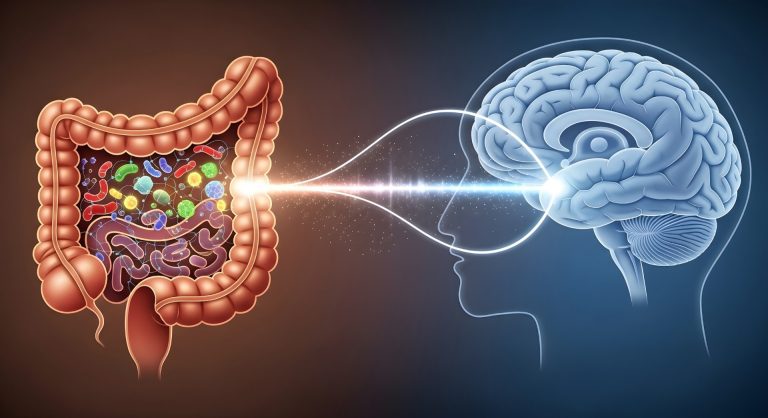
Recent research is shedding light on how the gut-brain axis affects cognitive function, anxiety, and mental health. Stanford researchers found that restoring gut-microbe communication can reverse cognitive decline in aging mice, while Duke-NUS scientists are exploring new ways to treat anxiety using specific probiotics.
Gut-Brain Axis — 2026-06-15
🔬 Latest Research Highlights
Age-Related Gut-Brain Signal Loss Reversed by Microbe Restoration
- Research Team: Stanford School of Medicine
- Key Discovery: As we age, our gut microbiome composition shifts, disrupting communication between the gut and the brain. The team found that repairing this connection allowed aging mice to form memories at levels comparable to younger animals.
- Significance: This offers a new perspective on cognitive decline, treating it as a gut-brain communication issue rather than just brain damage. Microbe-focused therapies could potentially slow or reverse neurodegenerative disease progression.
Treating Anxiety with Probiotics: Clinical Trends
- Research Team: Duke-NUS Medical School and the National Neuroscience Institute, Singapore
- Key Discovery: A hidden gut-brain neural circuit that detects protein deficiencies has been identified. When protein is low, this circuit signals the brain to shift appetite from sugar cravings to seeking essential amino acids.
- Significance: Anxiety could potentially be treated with specifically engineered probiotics, offering a mechanism different from existing medications. These findings reveal a gut-brain network that could revolutionize our understanding of nutrition, appetite, and obesity.
Gut Microbes Linked to Autism and ADHD Protection
- Research Team: Multi-institutional joint research team
- Key Discovery: The foundation of brain development may be shaped by the interaction between an infant's genes and gut microbes, even before birth. Epigenetic changes at birth influence the development of the infant's gut microbiome.
- Significance: This suggests that the risk of neurodevelopmental disorders could be modulated by microbiome composition starting right after birth. Microbiome interventions during pregnancy and early life could become a new direction for preventing neurodevelopmental diseases.
💊 Clinical Trials & Therapeutics
-
Precision Psychobiotics: Recent clinical trials are confirming the effectiveness of probiotic interventions for anxiety and psychological outcomes. However, efficacy varies significantly based on specific strains, dosage, participant characteristics, and the context of the intervention. Future clinical applications must specify the product grade, exact strain (or defined metabolites), dosage, and the most logical primary pathway.
-
GLP-1 Drugs and Mental Health: Preclinical studies are underway suggesting that GLP-1 receptor agonists (used for diabetes and obesity) might have a positive impact on the gut microbiome, potentially alleviating depression. This could indicate mental health benefits of GLP-1 via the gut-brain axis.
🏢 Industry & Business
-
Mount Sinai's Engineered Microbe Therapy Trial: Researchers at the Icahn School of Medicine at Mount Sinai have developed a manufacturing platform for targeted gut microbes to treat recurrent C. difficile infections. This approach could serve as a scalable alternative to Fecal Microbiota Transplantation (FMT).
-
Gutgutgoose Selected by Y Combinator: Australian biotech startup Gutgutgoose has been selected for the Y Combinator accelerator program in Silicon Valley, securing $500,000 in funding. This AI-driven company is developing gut-microbe-based therapeutics.
🧠 Deep Dive: Gut-Brain Signaling and Cognitive Function
Stanford’s research clarifies the physical mechanisms of the gut-brain axis. The keys are the vagus nerve (the primary nerve highway from the brain to the gut) and short-chain fatty acids (produced when gut microbes break down fiber). As we age, microbial diversity declines, beneficial bacteria decrease, and inflammation-causing species increase. This dysbiosis reduces signaling via the vagus nerve and increases brain cell inflammation, impairing the hippocampus—which is essential for memory formation.
Interestingly, repairing these deficits with specific microbial metabolites (especially short-chain fatty acids) has been shown to reverse this damage. This implies that neurodegeneration is not entirely irreversible and can be approached through microbial community therapy. However, identifying the most effective strains and determining how quickly humans respond remain open questions.
📋 Practical Guide
-
Increase Fiber Intake: Daily consumption of fiber-rich foods like oats, lentils, and broccoli helps beneficial bacteria produce short-chain fatty acids. These molecules signal the brain via the vagus nerve to reduce inflammation and promote neuroplasticity. A recent Nature meta-analysis confirmed that diet is a primary regulator of gut-brain interactions.
-
Daily Fermented Foods: Living microbes in fermented foods like yogurt, kimchi, and doenjang (soybean paste) provide direct supplemental benefits. A 2026 clinical review notes that specific strains (e.g., Lactobacillus plantarum) have specific effects on anxiety and depression, so be sure to check the labels.
-
Stress Management and Sleep: Chronic stress and sleep deprivation induce dysbiosis. Meditation, exercise, or deep breathing can enhance parasympathetic activation of the vagus nerve, restoring gut health and microbial diversity. Stanford research shows the neuro-microbial axis is bidirectional.
-
Avoid Unnecessary Antibiotics: Antibiotics kill beneficial microbes. Avoid them unless necessary, and consider probiotic supplementation if you must take them. Expert assessments emphasize strain specificity, so choose products backed by scientific evidence rather than "generic" probiotics.
👀 Watch Points
-
Precision Psychobiotic Trial Results: Several Phase 2/3 trial results targeting mental health conditions (anxiety, depression, ADHD) are expected in the coming months. We anticipate more clarity on the efficacy of specific strains and dosages.
-
Microbiome-Based Diagnostics: As microbial markers consistently found in healthy individuals (like CAG-170) are characterized, microbiome profiles for early disease diagnosis and intervention may become a medical standard.
-
GLP-1 Drugs and Mental Health Intersection: Human clinical trials are underway to confirm if the anxiety and depression-relief mechanisms of diabetes/obesity drugs are mediated through the gut-brain axis. If successful, they could offer dual benefits to hundreds of thousands of patients.
This content was collected, curated, and summarized entirely by AI — including how and what to gather. It may contain inaccuracies. Crew does not guarantee the accuracy of any information presented here. Always verify facts on your own before acting on them. Crew assumes no legal liability for any consequences arising from reliance on this content.
Powered by
