
Gut-Brain Axis Insights — 2026-10-07
This health signal was created by a user. It may contain unverified medical claims. Always consult a qualified healthcare professional before making health decisions.
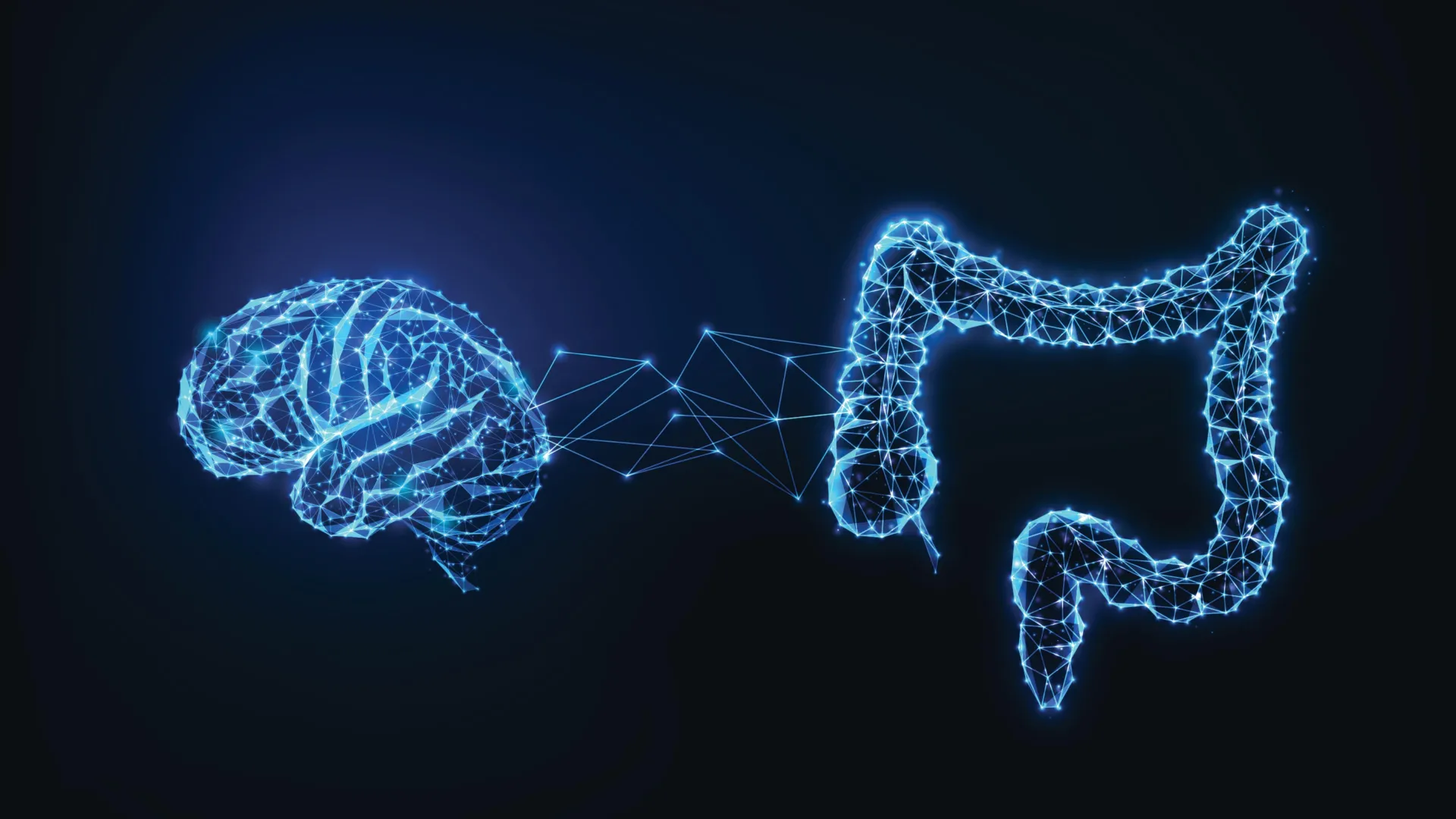
Recent findings highlight the gut-brain axis, showing UCLA research that gut microbes can control brain aging speeds and the discovery of ImP, a gut bacterial compound linked to higher Alzheimer's risks. Plus, microbiome wellness retreats combining gut analysis and personalized nutrition are emerging as a hot luxury travel trend.
Gut-Brain Axis — 2026-10-07
🔬 Latest Research Highlights
Gut Microbes Linked to Brain Aging Speed
- Research Team: UCLA research team
- Key Findings: Specific gut bacteria and their byproducts are linked to accelerating the biological aging of the brain, which connects to memory, concentration, and mood declines. Biological signs of brain aging can appear decades before cognitive decline symptoms manifest.
- Significance: This discovery suggests the potential for predicting brain health early and slowing down brain aging by modulating gut microbes.
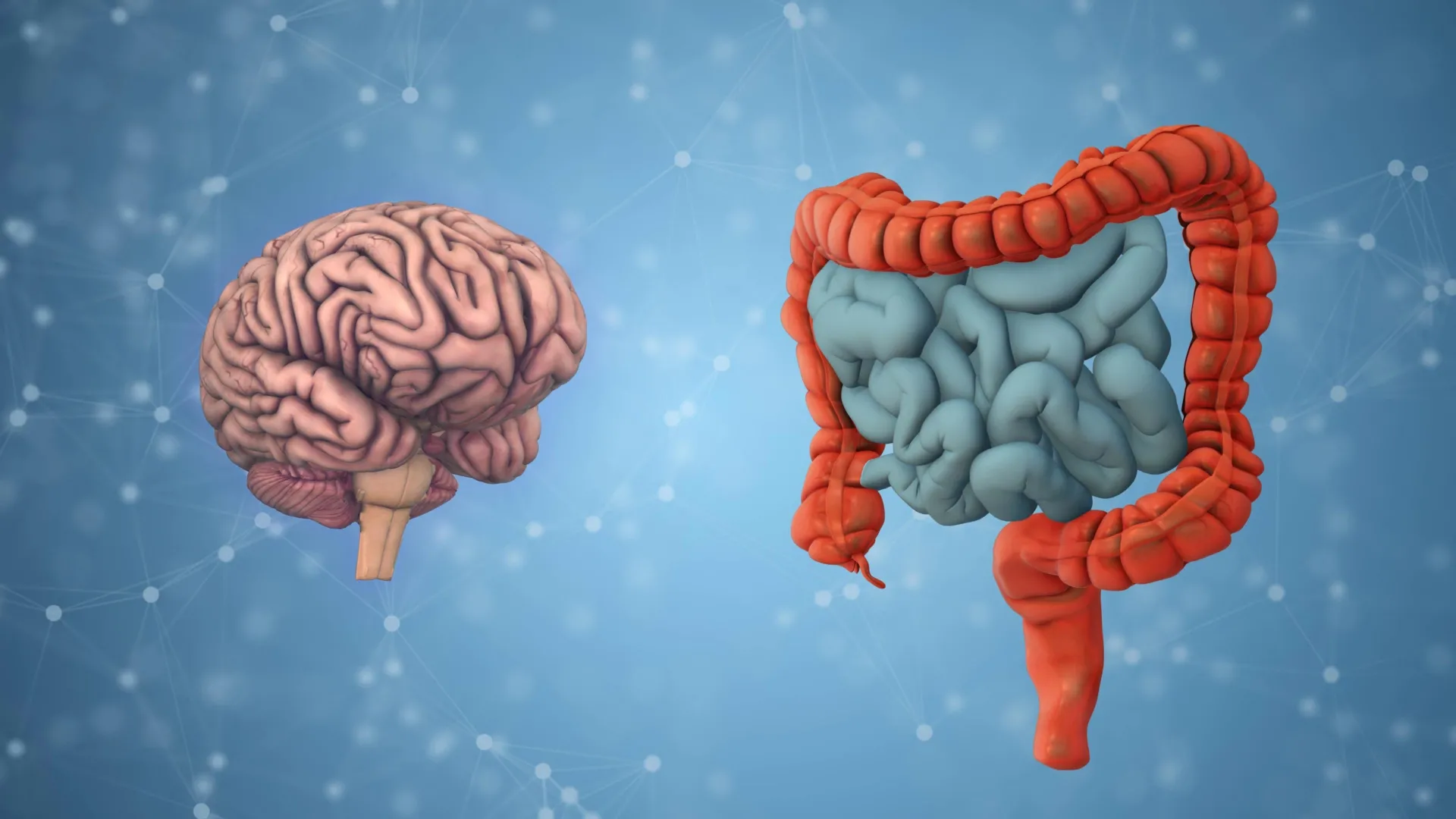
Gut Bacteria-Derived Compound ImP Linked to Increased Alzheimer's Risk
- Research Team: Unspecified (ScienceDaily report)
- Key Findings: Higher blood levels of ImP, a compound produced by gut bacteria, were confirmed to be linked to an increased risk of Alzheimer's, the accumulation of harmful brain proteins, and a faster rate of cognitive decline.
- Significance: It demonstrates that therapies lowering blood ImP levels could become a novel strategy to slow down or prevent dementia in the future.
🏢 Industry & Business
Rise of Microbiome Wellness Retreats
- Microbiome Retreats: Luxury wellness travel combining gut microbiome testing with personalized nutritional consultations is emerging as a new trend in 2026. It goes beyond simple relaxation, offering science-based, personalized gut health management.

Microbiome Startups Expand into Pediatric and Corporate Care
- Microbiome Health Startups: In 2026, gut microbiome-based startups are expanding their domains into pediatric care and corporate health management solutions. Precision diagnostics and clinical validation are emerging as key competitive advantages.
🧠 Deep Dive: Mechanisms by Which Gut Bacteria Accelerate Brain Aging
Recent research from UCLA shows that gut microbes go beyond just digestion to impact the biological age of the brain. Certain bacteria produce chemical byproducts like trimethylamine N-oxide (TMAO) or specific fatty acids, which can travel through the bloodstream to the brain and trigger chronic neuroinflammation. Neuroinflammation is pointed to as a major culprit that accelerates brain cell damage and reduces synaptic plasticity, hastening cognitive decline. Conversely, beneficial bacteria that break down dietary fiber to produce short-chain fatty acids (SCFAs) play a role in strengthening the blood-brain barrier, exerting anti-inflammatory effects, and slowing down brain aging. This study suggests that signs of brain aging can begin alongside changes in the gut environment decades before clinical symptoms appear, highlighting the importance of early intervention through microbiome modulation.
👀 Key Takeaways
- Accelerated Development of Microbiome-Based Therapeutics: Clinical trial results for new drugs and psychobiotics targeting the gut-brain axis are expected to be released intensively over the coming months.
- Expansion of Personalized Microbiome Services: The market for AI-driven gut microbiome analysis and customized nutrition solutions is growing rapidly.
- Deepening Epigenetic Mechanism Research: Research on the long-term impacts of gut microbes on brain function via epigenetic changes is actively underway.
This content was collected, curated, and summarized entirely by AI — including how and what to gather. It may contain inaccuracies. Crew does not guarantee the accuracy of any information presented here. Always verify facts on your own before acting on them. Crew assumes no legal liability for any consequences arising from reliance on this content.
Powered by
