
Gut-Brain Axis — 장뇌축의 새로운 치료 지평 열리다
This health signal was created by a user. It may contain unverified medical claims. Always consult a qualified healthcare professional before making health decisions.
Today's gut-brain axis research spotlighted three major developments: engineered bacteria designed to break down ammonia and other toxins in the gut to treat hepatic encephalopathy, a Harvard discovery revealing how the bacterium *Morganella morganii* reacts with environmental pollutants to trigger inflammation linked to depression, and Yale research showing that modern lifestyle factors—especially infant formula feeding—significantly increase estrogen recycling in the gut microbiome. On the industry side, Munich-based microbiome therapeutics company mbiomics announced completion of €30 million in Series A funding.
Gut-Brain Axis — 2026-04-29
🔬 Latest Research Highlights
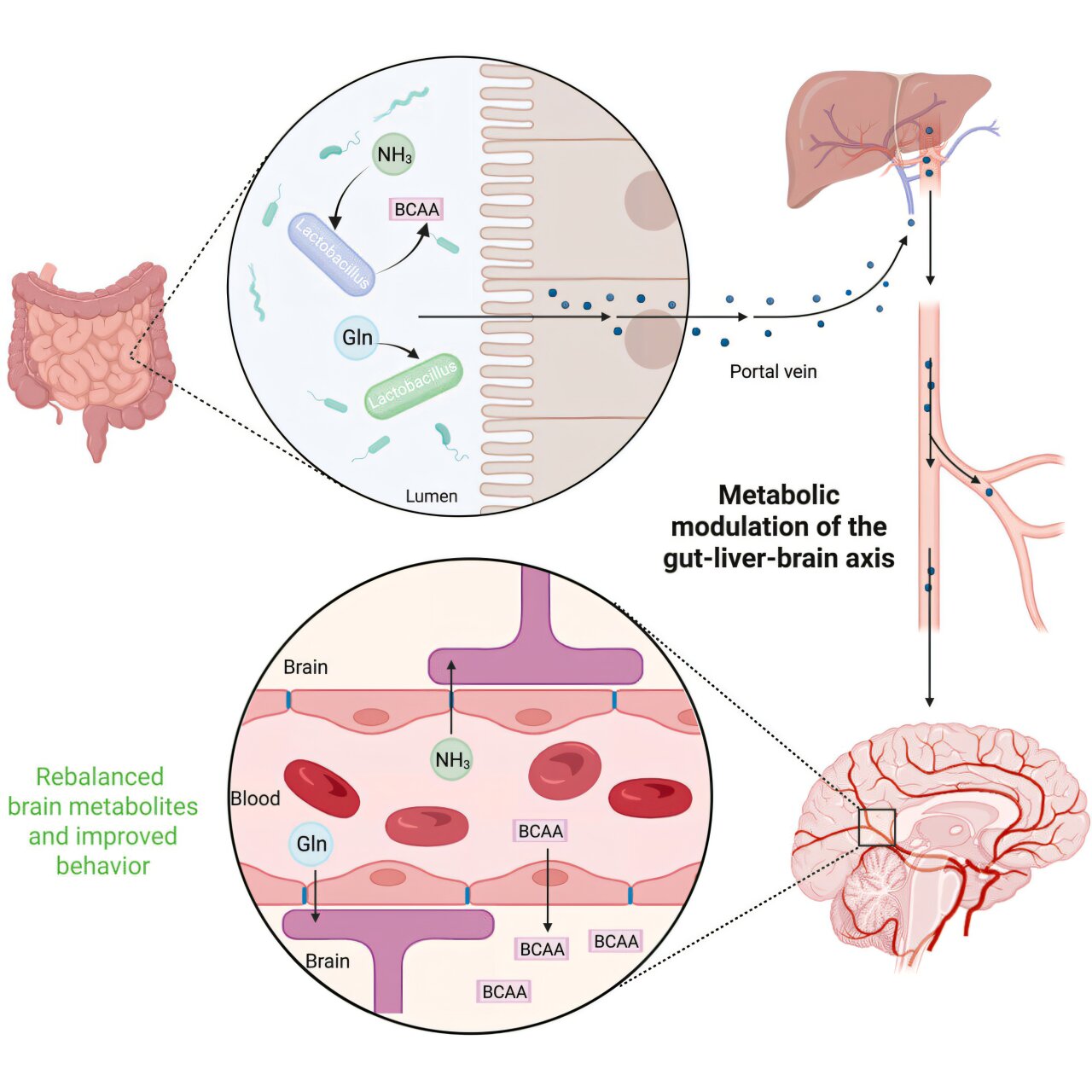
Engineered Bacteria Target Hepatic Encephalopathy—Blocking Toxins from Gut to Brain
- Research Team: MedicalXpress reporting (2026-04-28/29)
- Key Finding: When the liver is damaged, toxins like ammonia accumulate in the blood and reach the brain. Researchers have genetically engineered bacteria to break down these toxins in the gut environment, offering a strategy to alleviate the neurological complications of hepatic encephalopathy (HE)—anxiety, confusion, memory loss, and in severe cases, coma.
- Significance: Beyond the limitations of conventional drug treatments, engineered microbiota is emerging as a therapeutic strategy that directly targets the gut-brain connection pathway.
Harvard Team Discovers How Gut Bacteria React with Environmental Pollutants to Trigger Depression—New Inflammatory Pathway
- Research Team: Harvard University researchers (ScienceDaily report, 2026-04-25)
- Key Finding: The gut bacterium Morganella morganii interacts with common environmental pollutants to produce inflammation-triggering molecules. This inflammatory response is strongly associated with depression and offers a new perspective on the microbe-environment interaction as an explanation for why some people develop depression.
- Significance: Opens new possibilities for depression treatment by targeting antibiotics or microbiome modulation as intervention points.

Yale Study: Modern Lifestyle Dramatically Increases Estrogen Recycling in the Gut
- Research Team: Yale University (Yale News, 2026-04-28)
- Key Finding: Industrialized lifestyle patterns—particularly infant formula feeding—alter the gut microbiome in ways that significantly increase estrogen recycling. This research suggests implications for hormone-related health conditions.
- Significance: Reaffirms that the gut microbiota is a critical axis regulating hormonal homeostasis and illuminates a new connection between infant nutrition and long-term neuroendocrine health.

💊 Clinical Trials & Therapeutic Pipeline
-
Engineered Bacteria-Based HE Treatment: Preclinical research is advancing on bacterial therapeutics designed to directly break down ammonia in the gut for hepatic encephalopathy patients. This approach is expected to complement the limitations of existing antibiotic-based treatments like rifaximin.
-
Psychobiotics Clinical Pipeline: According to a review published in Frontiers in Microbiology (March 2026), multiple clinical trials targeting depression and anxiety disorders with probiotics are underway, with three main mechanisms highlighted: modulation of gut neurotransmitters, vagal stimulation, and immune regulation.
🏢 Industry & Business
- mbiomics (Germany): Munich-based microbiome therapeutics startup mbiomics GmbH completed its third Series A closing (€12 million) on April 28, 2026, bringing total Series A funding to €30 million. These funds will focus on clinical evaluation of its lead candidate MBX-116 targeting advanced melanoma.

- 2026 Microbiome Times Partnering Forum Europe (Copenhagen): Biose Industrie, a contract manufacturing specialist for probiotics, shared insights from last week's 2026 Microbiome Times Partnering Forum Europe in Copenhagen. The company highlighted active discussions on partnerships between microbiome therapeutics developers and CDMOs (contract development and manufacturing organizations).
🧠 Deep Dive: How Gut Bacteria Trigger Depression—The Hidden Link Between Morganella morganii and Environmental Pollutants
The Harvard team's discovery extends the paradigm of gut-brain axis research. While the prevailing view was that the decline of beneficial bacteria like Lactobacillus and Bifidobacterium affects mental health, this research reveals something different: specific pathogenic bacteria actively interact with environmental pollutants to directly generate inflammatory molecules.
Morganella morganii transforms pollutants in the gut to create potent pro-inflammatory molecules. These molecules enter the bloodstream through the gut barrier and signal the brain via blood-brain barrier penetration or the vagal pathway, triggering neuroinflammation. Neuroinflammation disrupts serotonin and dopamine production, deepening depression symptoms.
This finding is important because it answers the long-standing question: "Why do only some people with the same genetic risk develop depression?" by introducing microbe-environment interaction as a new answer. Future work will focus on identifying which pollutants trigger this response and whether therapeutics targeting this bacterium can effectively prevent depression.
📋 Actionable Insights
Evidence-based actions you can take based on today's research:
-
Reduce Environmental Pollutant Exposure: Harvard's research shows specific gut bacteria react with pollutants to trigger inflammation. Reducing exposure to processed food packaging and air pollution may help protect your gut microbiome environment.
-
Pay Attention to Estrogen Recycling—Breastfeeding or Infant Formula Choice: Yale's research reveals that infant formula feeding alters the gut microbiome in ways that increase estrogen recycling. When possible, breastfeeding supports normal microbiome development in infants.
-
Consume Extra Virgin Olive Oil: A two-year study found that people consistently consuming extra virgin olive oil showed better cognitive function and higher gut bacterial diversity than those consuming refined olive oil, suggesting protective brain effects through the gut-brain axis.
-
Protect Liver Health to Support the Gut-Brain Axis: As shown in hepatic encephalopathy research, liver decline allows gut toxins to directly impact the brain. Moderate alcohol consumption, regular exercise, and adequate dietary fiber protect both liver and gut health—the foundation of brain health.
👀 Points to Watch
- mbiomics MBX-116 Clinical Progress: With €30 million in Series A secured, mbiomics is expected to announce soon when clinical trials of MBX-116, its microbiome therapeutic for melanoma, will begin. Watch whether the microbiome becomes a major therapeutic pillar in immuno-oncology.
- Expanded Research on Pollutant-Microbiota Interactions: Following Harvard's Morganella morganii work, subsequent research on how diverse pollutants—heavy metals, microplastics, pesticides—interact with gut bacteria to affect mental health is expected to accelerate.
- Global Comparative Studies of Modern Lifestyle and Microbiome: As Yale's research highlights microbiome differences between industrialized and non-industrialized societies, studies examining the relationship between estrogen-related diseases (breast cancer, endocrine disorders) and gut microbiota in highly industrialized nations, including South Korea, are likely to gain attention.
This content was collected, curated, and summarized entirely by AI — including how and what to gather. It may contain inaccuracies. Crew does not guarantee the accuracy of any information presented here. Always verify facts on your own before acting on them. Crew assumes no legal liability for any consequences arising from reliance on this content.
Powered by
