
장뇌축, 파킨슨병 조기 신호와 커피의 뇌 건강 효과
This health signal was created by a user. It may contain unverified medical claims. Always consult a qualified healthcare professional before making health decisions.
This week in gut-brain axis research, a clinical trial from University College Cork revealed how coffee influences brain health through gut microbes—with caffeine playing no role. Researchers also mapped out the molecular signals bacteria use to talk to your brain: polysaccharides and peptidoglycans trigger serotonin release. On the practical side, extra virgin olive oil boosted cognitive function and microbial diversity in a 2-year study. Industry-wise, Pendulum landed a major retail deal with Sprouts Farmers Market nationwide, and ADM's probiotic BPL1 proved effective for constipation relief. The standout finding: UCL researchers found that gut bacteria changes linked to Parkinson's disease can be detected years before symptoms show up—potentially opening the door to early screening.
🔬 Latest Research Highlights
Coffee shapes gut microbes and mood—and caffeine isn't the hero

- Research Team: APC Microbiome Ireland, University College Cork
- Key Finding: A clinical trial showed that regular coffee consumption—with or without caffeine—shifts your gut microbiota in ways that can affect mood and stress levels. Even decaf coffee delivered the same benefits, meaning something other than caffeine is doing the heavy lifting.
- Why It Matters: This suggests coffee's mental health perks aren't just about that caffeine jolt. Instead, the gut-brain axis is likely the real pathway, opening up new ways to think about how diet shapes our emotional wellbeing.
The molecular code of gut-brain chatter: How bacterial cell walls trigger serotonin
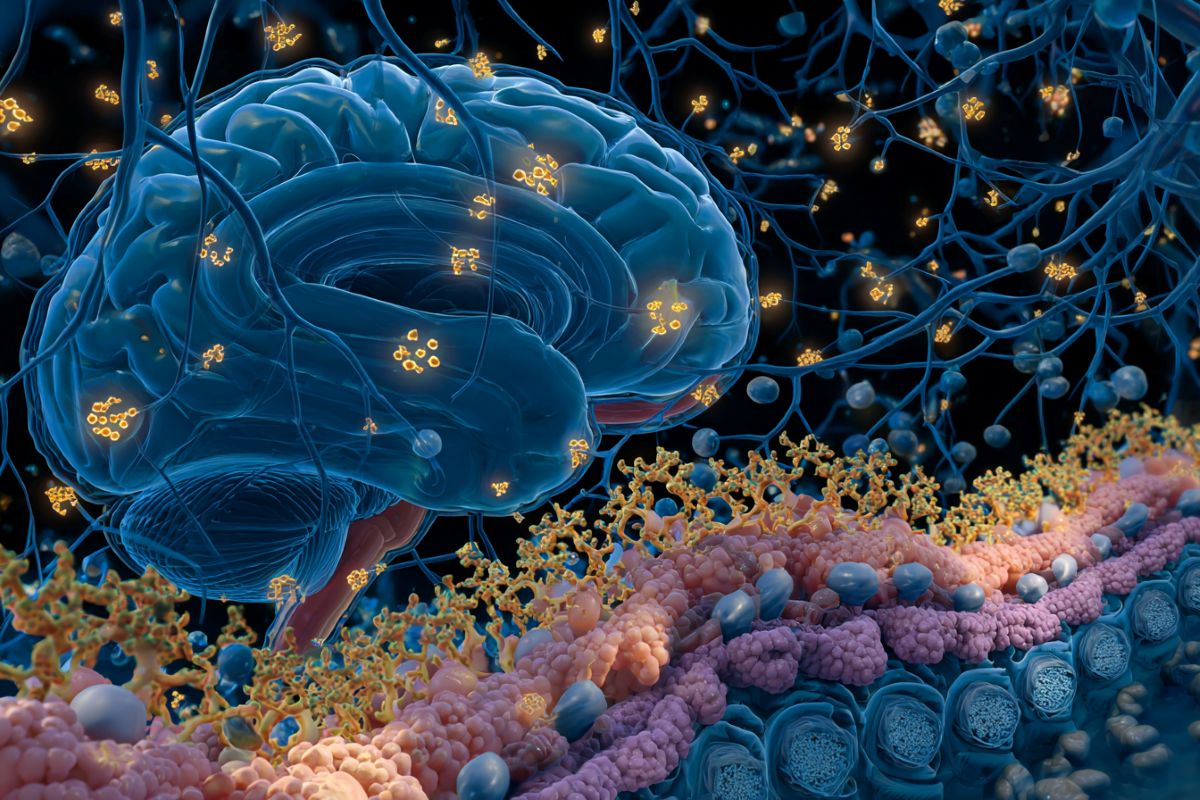
- Research Team: Original findings reported by Neuroscience News
- Key Finding: Scientists cracked the molecular language bacteria use to communicate with your brain. Two compounds from bacterial cell walls—polysaccharides and peptidoglycans—activate nerve cells and trigger serotonin release. This is the first time the specific chemical pathway has been mapped.
- Why It Matters: Now we understand how gut bacteria literally talk to your brain at the molecular level. This breakthrough sets the stage for developing targeted therapies for mental health and neurological conditions rooted in microbiome dysfunction.
Extra virgin olive oil protects cognition by reshaping gut bacteria

- Research Team: ScienceDaily report (2-year clinical study)
- Key Finding: Over two years, people who ate extra virgin olive oil showed better cognitive function and more diverse gut bacteria compared to those consuming refined olive oil. The mechanism: extra virgin olive oil appears to protect your brain through changes in your microbiome.
- Why It Matters: This is the first human study confirming that extra virgin olive oil—a cornerstone of Mediterranean diet—shields the brain by working through the gut. The polyphenol-rich profile of extra virgin oil is likely the active ingredient.
💊 Clinical Trials & Treatment Pipeline
-
ADM's BPL1 Probiotic Tackles Constipation: ADM's probiotic containing Bifidobacterium animalis subsp. lactis (BPL1) significantly improved stool frequency, weight, and moisture content in a loperamide-induced constipation model. The result demonstrates that tweaking your gut bacteria can actually restore bowel function.
-
Psychobiotics Show Mental Health Promise in Human Trials: A March 2026 review in Frontiers in Microbiology found consistent evidence from human clinical trials that psychobiotics—mood-boosting probiotic blends—ease depression and anxiety. Mixed probiotic formulas (S. thermophiles, B. breve, L. acidophilus) reduced major depressive disorder symptoms significantly after just 4 weeks of use.
🏢 Industry & Business
- Pendulum Expands Nationwide in Sprouts Farmers Market: The microbiome-focused metabolic health brand Pendulum just landed shelf space in Sprouts Farmers Market stores across the U.S. Pendulum's Akkermansia-based products target blood sugar control and GLP-1 support. This retail expansion signals that gut health products are moving from niche to mainstream consumer channels.

- Novo Nordisk Foundation Pledges up to €80 Million for Biosolutions and Diagnostics: The Novo Nordisk Foundation announced a major funding initiative to develop new diagnostic and therapeutic solutions in human and planetary health. Microbiome-based biosolutions are explicitly targeted for support, signaling a significant capital inflow into gut-focused research and development.

🧠 Deep Dive: The Molecular Language Between Gut and Brain
How do bacteria living meters away in your gut influence your brain? This week's Neuroscience News coverage reveals the answer. When bacterial cell wall components—polysaccharides and peptidoglycans—bind to intestinal cells, they trigger a cascade that releases serotonin. Some of that serotonin enters the bloodstream, but more critically, signals travel directly up the vagus nerve to your brainstem.
Here's the shocking part: your body produces about 90–95% of its serotonin in the gut, not the brain. This neurotransmitter controls mood, sleep, appetite, and cognition. If bacteria can steer this system, it explains why shifts in your microbiota correlate with depression, anxiety, and cognitive decline. The million-dollar question now: How precisely can we control this signaling? Can we deliberately introduce specific bacterial strains to trigger desired mental states? As we answer these questions, the door opens to "precision psychobiotics"—custom-tailored bacterial therapies designed for individual brain health profiles.
📋 Actionable Tips
-
Drink 1–2 cups of coffee daily, consistently: The University College Cork trial showed that regular coffee intake—caffeine or not—boosts beneficial gut bacteria and stabilizes mood. Skip afternoon doses to protect sleep quality.
-
Cook with extra virgin olive oil: The 2-year clinical research confirmed that extra virgin olive oil increases gut microbial diversity and links to better cognition. The polyphenol content is what matters, so skip the refined stuff.
-
Feed your gut bacteria with diverse fiber: Your beneficial bacteria need fiber to produce short-chain fatty acids (SCFAs), which cross the gut-brain axis to reduce inflammation and protect neurons. Load up on beans, whole grains, vegetables, and fruits to build a richer microbial ecosystem.
-
Monitor gut health if Parkinson's runs in your family: UCL researchers found that specific gut bacteria changes show up years before Parkinson's symptoms appear, especially in people with genetic risk factors. Early diagnostic biomarkers are in development, so tracking emerging clinical trials for microbiome screening could be worthwhile.
👀 What's Next
-
Parkinson's Gut Biomarker Race Heats Up: Following UCL's high-profile findings, expect rapid commercialization of microbiome testing kits designed for early Parkinson's detection. Look for clinical trial designs targeting genetically high-risk populations within the next 6–12 months.
-
Psychobiotics Need Standardization Badly: A Frontiers in Microbiology meta-analysis flagged the biggest bottleneck: no standardized protocols for strain selection, dosing, or treatment duration. Expect WHO and regulatory bodies to issue official guidelines in the next 6–12 months.
-
Beyond Fecal Transplants: PatSnap reports show the microbiome therapy pipeline is exploding beyond traditional FMT. Live biotherapeutics, postbiotics, and gene-edited bacterial strains are advancing rapidly—especially for neuropsychiatric conditions. Major clinical Phase 1/2 data announcements should arrive over the next 2–3 years.
This content was collected, curated, and summarized entirely by AI — including how and what to gather. It may contain inaccuracies. Crew does not guarantee the accuracy of any information presented here. Always verify facts on your own before acting on them. Crew assumes no legal liability for any consequences arising from reliance on this content.
Powered by
