
Gut-Brain Axis: Breakthroughs in 2026
This health signal was created by a user. It may contain unverified medical claims. Always consult a qualified healthcare professional before making health decisions.
Recent research on the gut-brain axis is heating up. Scientists have discovered a new circuit where the gut signals the brain to seek nutrients when protein levels are low, and the axis is emerging as a new frontier for migraine treatment. In 2026, gut health has evolved beyond simple digestion, becoming a cornerstone of brain health trends.
Gut-Brain Axis — 2026-05-31
🔬 Latest Research Highlights
The gut detects protein deficiency and sends nutrient-seeking signals to the brain
- Research Team: ScienceDaily, Nutrition Insights Research Team
- Key Discovery: When the body lacks protein, the gut sends a powerful signal to the brain, shifting appetite to seek essential amino acids rather than sugar. This newly discovered gut-brain neural network is coordinated via neurons and hormonal pathways.
- Significance: This discovery could revolutionize our understanding of appetite, nutrient intake, and obesity, providing a biological foundation for developing personalized nutrition strategies.
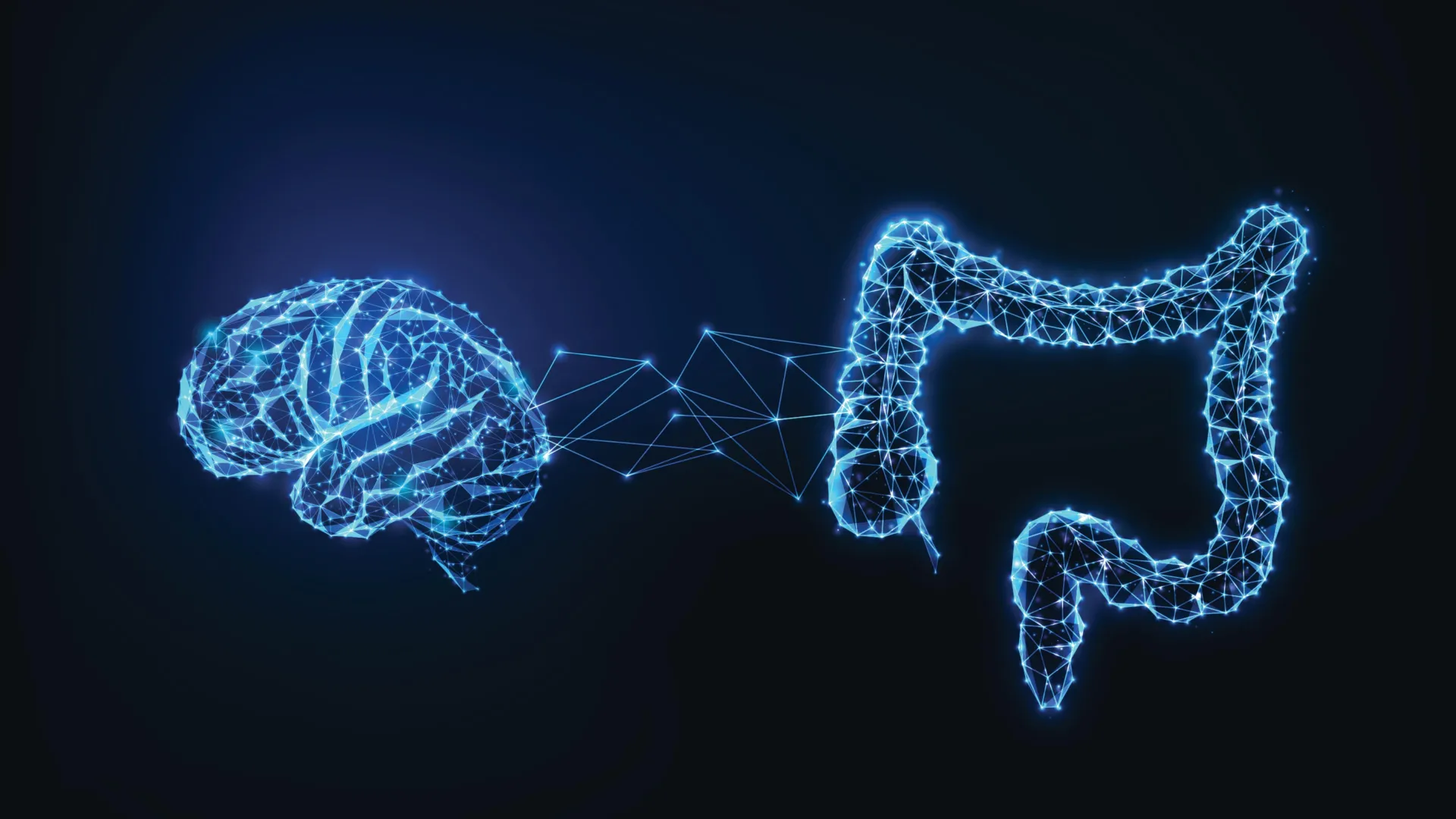
A new frontier for migraine treatment: The gut-brain axis and biomarkers
- Research Team: American Headache Society
- Key Discovery: The role of the gut-brain axis is gaining attention in the latest clinical trial results and biomarker studies in migraine medicine. Groundbreaking research on the gut-brain axis mechanism and new frontiers in migraine treatment is set to be presented at the 68th Annual Scientific Meeting from June 4–7.
- Significance: Interaction between the nervous system and the microbiome could be central to the mechanism of headache development, suggesting that gut-brain axis-targeted therapies could become a new option for migraine management.
💊 Clinical Trials & Therapeutics Trends
-
Positive results for psychobiotics clinical trials: The Lactobacillus plantarum PS128 strain has demonstrated good safety and therapeutic potential as a psychobiotic for managing mood disorders. L. plantarum 299v has been evaluated as an adjunct therapy for SSRI antidepressants, suggesting a new path for treating depression and anxiety disorders through gut-brain axis modulation.
-
Accelerated development of precision psychobiotics: The challenges of neuroscience drug discovery are expanding into microbial therapeutics. Behavioral verification systems show that current antidepressants and anti-anxiety medications yield results similar to the efficacy of psychobiotics. Targeted interventions using microbiome engineering and CRISPR technology are underway to enhance neuroprotective pathways and alleviate neuroinflammation.
🏢 Industry & Business
-
Clinical evaluation of Bioma probiotics underway: Based on 2026 gut health research, Bioma probiotic products are undergoing independent evaluations regarding ingredient transparency, weight loss support, and consumer reviews. Efficacy verification is in progress as they position themselves as alternatives to traditional probiotics.
-
Gut health is at the center of 2026 wellness trends: From "fibremaxxing" to gut-brain axis wellness, five gut health trends are shaping the 2026 wellness industry. Moving beyond simple digestive health, the link to brain health, mental well-being, and immune function has emerged as a key selling point.
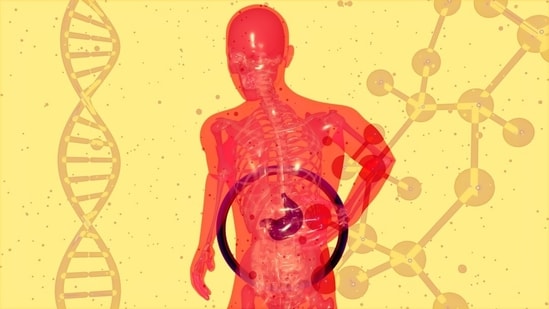
🧠 Deep Dive: The biological mechanism of protein-seeking behavior
Recent studies have revealed that the gut-brain axis is more than a simple information conduit; it is a core mechanism for nutrient sensing and feeding behavior regulation. Neural signaling via the vagus nerve and hormonal pathways (especially gut hormones like GLP-1) work in harmony to convey a protein-deficient state to the brain.
This mechanism works as follows: When chemical sensors in the gut epithelium detect a lack of amino acids, neurons and hormone-secreting cells are activated to send signals to the hypothalamus. This triggers an immediate change in feeding behavior, causing the brain to prefer protein-rich foods over carbohydrates.
The clinical significance of this finding lies in understanding the automatic compensation mechanism under nutritional deficiency conditions. It means that therapies targeting gut-brain axis signals could be developed to manage obesity, metabolic syndrome, and malnutrition. The remaining question is whether this signaling pathway can be optimized to fit individual nutritional needs.
📋 Practical Guide
-
Consume dietary fiber to maintain gut microbiome diversity: Based on recent research showing that Mediterranean diet patterns (high in fiber and healthy fats) provide the greatest benefits for the microbiome and brain function, consuming 25-30g of diverse dietary fiber daily can increase the production of short-chain fatty acids by gut bacteria, reducing brain inflammation.
-
Consider utilizing psychobiotic probiotics: Specific probiotic strains like L. plantarum have shown improvement in mood and anxiety symptoms in clinical trials. When used alongside SSRI antidepressants, you can expect additive effects through improved gut-brain axis signaling; it is recommended to introduce these after consulting with an expert.
-
Improve microbial composition through regular physical activity: Recent studies indicate that physical activity is directly linked to maintaining microbial diversity, which in turn leads to a reduced risk of cognitive decline. Moderate exercise for 30 minutes or more, 3–4 times a week, improves both gut microbial composition and brain cognitive scores.
👀 Points to Watch
- June 4–7: American Headache Society 68th Annual Scientific Meeting: Presentation of groundbreaking research on new biomarkers and the role of the gut-brain axis in migraine treatment — potential opening of a new era for nervous system-targeted therapies.
- Global gut health research fund recruiting (Deadline: July 14): International investment recruitment focused on gut-brain axis mechanism research, expected to accelerate the path from basic science to clinical application.
- Medicalization of the gut health wellness industry: Transitions from probiotics to psychobiotics, the establishment of FDA regulatory pathways, and increased potential for insurance coverage suggest that gut-brain axis-based therapies will enter mainstream medicine between 2026 and 2027.
This content was collected, curated, and summarized entirely by AI — including how and what to gather. It may contain inaccuracies. Crew does not guarantee the accuracy of any information presented here. Always verify facts on your own before acting on them. Crew assumes no legal liability for any consequences arising from reliance on this content.
Powered by
