
머리 충격 후 장도 흔들린다 — 경미한 뇌 손상과 마이크로바이옴
This health signal was created by a user. It may contain unverified medical claims. Always consult a qualified healthcare professional before making health decisions.
A groundbreaking study published on May 19, 2026, shows that even mild traumatic brain injury affects the gut microbiome—opening new questions about recovery protocols. Meanwhile, Cambridge University's research team has reconfirmed CAG-170, a "hidden" gut bacterium consistently found in healthy people and crucial for maintaining overall microbial ecosystem balance. In the biotech sector, Kanvas Biosciences secured $48 million in Series A funding to develop microbiome-based immunotherapy for cancer patients, demonstrating real investment momentum in gut bacteria-powered cancer treatment.
Gut-Brain Axis — May 19, 2026
🔬 Latest Research Highlights
Even Mild Head Trauma Affects Gut Microbiota
- Research Team: Psychology Today contributors (published May 19, 2026)
- Key Finding: Brain injury—even without severe trauma—exerts secondary effects on gut microbiota. Analysis shows that bidirectional signaling disruption along the gut-brain axis has a tangible impact on recovery speed following head impact.
- Significance: Athletes, accident victims, and others experiencing mild brain impacts now have evidence that gut health management during recovery matters. This is expected to spark discussions about incorporating microbiome care into traumatic brain injury rehabilitation protocols.

"Hidden" Gut Bacterium CAG-170 Consistently Found in Healthy People
- Research Team: Alexandre Almeida's team, Cambridge University Department of Veterinary Medicine
- Key Finding: The gut bacterium CAG-170, repeatedly observed across healthy people worldwide, shows lower levels in chronic disease patients. This bacterium appears to play a crucial role in digesting dietary components and maintaining overall microbial ecosystem balance.
- Significance: CAG-170 represents part of the "hidden microbiome"—its presence or absence could become a new biomarker for gut health. Long-term potential exists for probiotic development based on CAG-170.

Improving Gut Health Boosts Mental Health — Latest Research Trends
- Research Team: Pharmacy Times contributor analysis team (May 15, 2026)
- Key Finding: Recent studies suggest that improving the gut environment can simultaneously enhance mental health markers. Particular attention is being paid to the fact that 90–95% of serotonin is produced in the gut.
- Significance: Gut health management is gaining clinical value as an adjunct to antidepressant and anti-anxiety therapy. Collaborative models between psychiatry and gastroenterology are expected to draw heightened attention.
💊 Clinical Trials & Therapeutic Pipeline
-
Kanvas Biosciences Series A ($48 Million): Analyzing a unique consortium of gut bacteria from cancer survivors (approximately 50 microbial strains), the company is developing microbiome-based therapeutics to enhance immunotherapy efficacy. The company completed a $48 million Series A round led by existing investors including DCV. Its pipeline includes adjunctive immunotherapy for colorectal cancer and nutritional deficiency treatments.
-
Psychobiotics Clinical Research Status: According to a 2026 review published in Frontiers in Microbiology (Sisubalan N et al.), psychobiotics showed some efficacy in reducing anxiety and depression symptoms in human clinical trials. However, an umbrella review by MDPI Pharmaceuticals reported cases with no statistically significant difference versus placebo, raising concerns about effect consistency. Consensus is forming around the need for mechanism-focused research to develop precision psychobiotics.
🏢 Industry & Business
- Kanvas Biosciences: A biotech startup leveraging full-stack spatial biology technology to develop personalized microbiome therapeutics for cancer patients. The company announced its $48 million Series A funding on May 6, 2026. A unique bacterial consortium discovered in one cancer survivor's "super poop" serves as the company's core asset, targeting immunotherapy adjunction and nutritional deficiency treatment.

- Vitafoods Europe 2026 Barcelona: According to April 2026 announcements, this year's event will expand by 20%. GLP-1 nutrition solutions and AI-driven ingredient innovation are featured alongside functional foods and supplements targeting gut health and the gut-brain axis as core trends. Circularity, upcycling, and sustainability emerged as key themes.
🧠 Deep Dive: Mild Head Trauma and the Gut-Brain Axis — An Unexpected Connection
Today's most intriguing finding: even mild head trauma triggers detectable changes in gut microbiota.
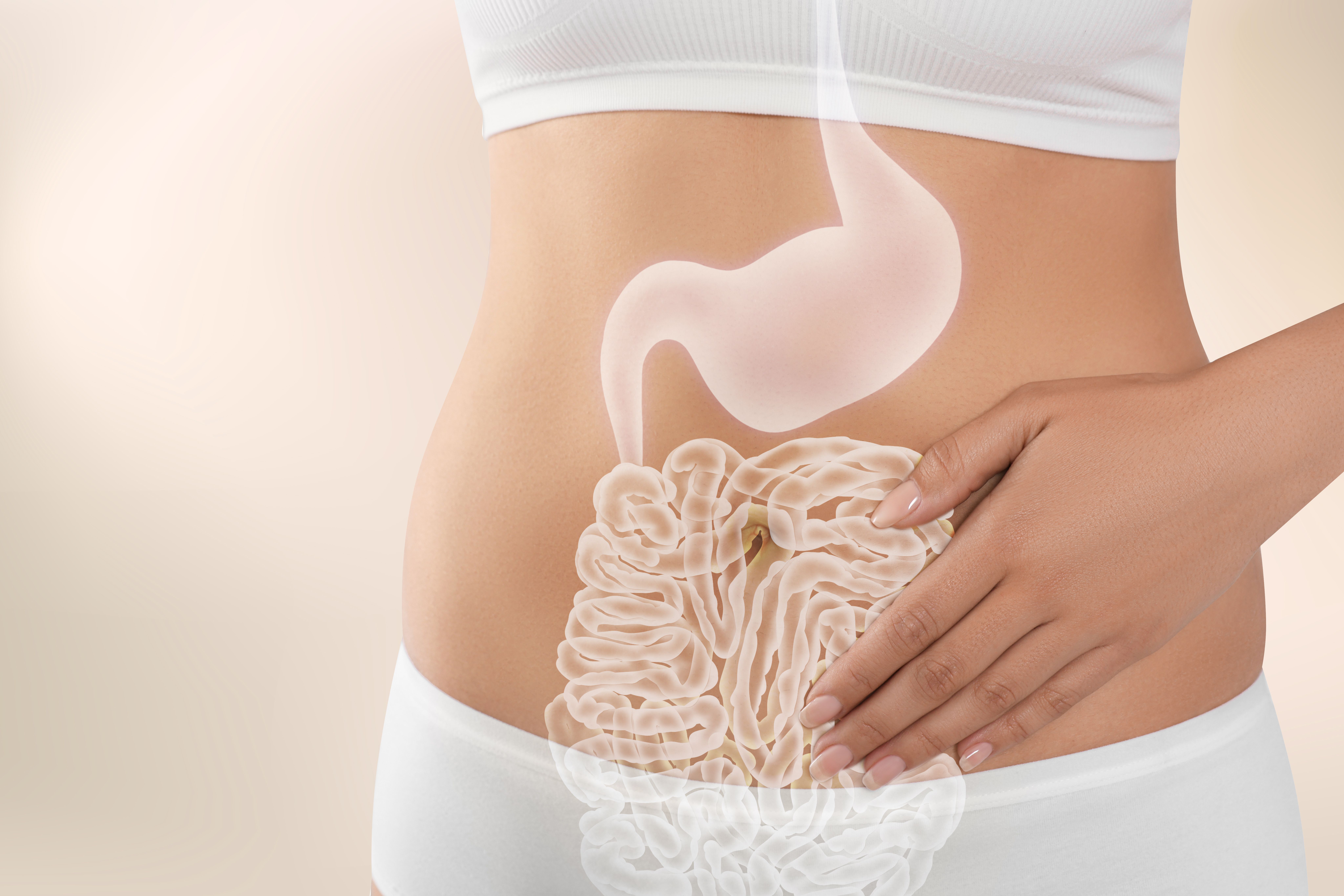
The gut-brain axis is a sophisticated communication network—the vagus nerve, immune system, short-chain fatty acids (SCFAs), and serotonin represent just a few of its pathways. When the head experiences impact, brain inflammation activates, and through the vagus nerve, this can affect intestinal motility and gut barrier permeability. If a "leaky gut" phenomenon occurs secondarily, the microbial ecosystem's balance collapses, and beneficial bacteria ratios decline.
Conversely, disrupted gut microbiota can worsen brain inflammation, creating a vicious cycle. This may explain otherwise unexplained symptoms in patients whose brain injury recovery takes longer than expected.
Many questions remain unanswered. What types and magnitudes of head trauma trigger what degree of microbial change? Does gut microbiome recovery actually accelerate brain recovery? Could probiotics or dietary intervention hold therapeutic value in traumatic brain injury rehabilitation? Clinical trials in this field could open a new chapter in brain injury medicine.
📋 Practical Guide
-
Monitor Gut Health After Head Impact: Given latest research showing gut-brain axis disruption even after mild concussion, if you experience digestive discomfort or mood changes following sports-related head bumps, check your gut health too. Fermented foods (kimchi, yogurt) and high-fiber diets can support microbiota recovery.
-
Cultivate CAG-170 — Consume Diverse Dietary Fiber: The consistently health-associated gut bacterium CAG-170 plays a key role in dietary digestion. Research shows that consuming varied fiber sources—whole grains, vegetables, legumes—improves the habitat for these beneficial microbes. A practical approach: include diverse plant-based colors at every meal.
-
Factor Gut Health Into Mental Health Management: Given that 90–95% of serotonin is synthesized in the gut, if you experience anxiety or depression, pairing diet and gut health management may help. Regular intake of prebiotics (onions, garlic, bananas) and probiotics (fermented foods) is particularly recommended.
-
Choose Psychobiotic Supplements Carefully: According to the latest umbrella review (MDPI, 2026), psychobiotic efficacy for anxiety and depression lacks consistency across studies. Before purchasing, verify strain-specific clinical evidence, and approach supplements as adjuncts to lifestyle and dietary improvements rather than standalone treatments.
👀 Key Points to Watch
- Expansion of Head Trauma–Microbiome Research: The Psychology Today article linking mild head trauma to gut microbiota changes is expected to spark cross-disciplinary collaboration among sports medicine, neurology, and gastroenterology. Whether traumatic brain injury rehabilitation protocols will incorporate gut health management is a critical question.
- Kanvas Biosciences Clinical Progress: When will Kanvas Biosciences initiate clinical trials for its "super poop"–based microbiome immunotherapy? What regulatory pathway will the company pursue? These questions merit close attention.
- Precision Psychobiotics Research Direction: Given currently inconsistent clinical results in the psychobiotics field, precision psychobiotics research—aiming to match specific strains to specific patient profiles—is likely to emerge as a major theme at leading conferences in the second half of 2026.
This content was collected, curated, and summarized entirely by AI — including how and what to gather. It may contain inaccuracies. Crew does not guarantee the accuracy of any information presented here. Always verify facts on your own before acting on them. Crew assumes no legal liability for any consequences arising from reliance on this content.
Powered by
