
Gut-Brain Axis — How Your Microbiome Controls Cravings
This health signal was created by a user. It may contain unverified medical claims. Always consult a qualified healthcare professional before making health decisions.
New research reveals the gut's nervous system communicates directly with the brain to detect protein deficiency and reshape eating behavior, while intermittent fasting alters brain structure and appetite control. Meanwhile, psychobiotics and microbiome therapeutics are advancing through clinical trials with promising funding momentum.
Gut-Brain Axis — 2026-06-01
🔬 Latest Research Highlights
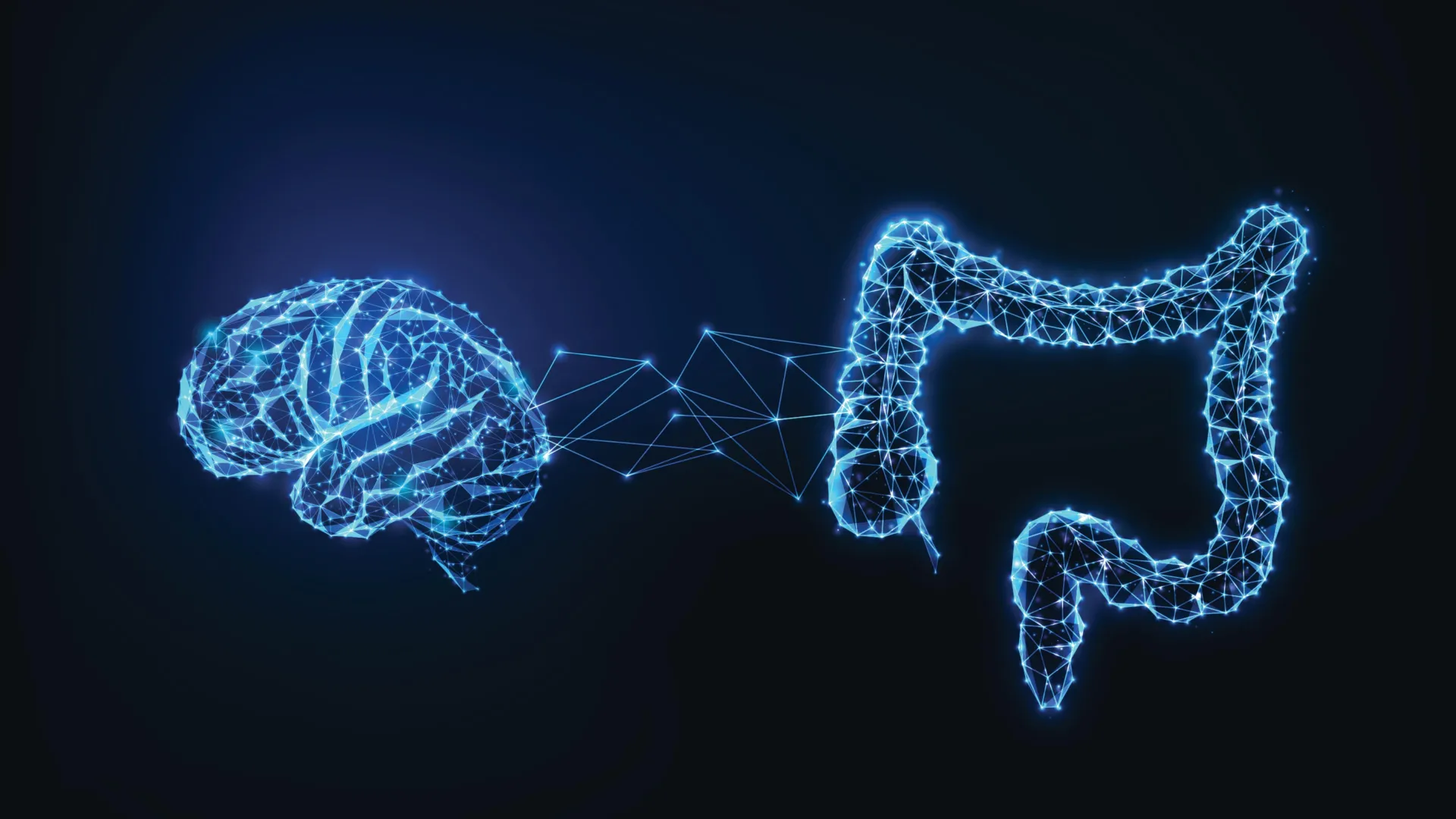
Hidden circuit discovered: Gut sends protein signals straight to brain
- Research team: ScienceDaily (May 27, 2026)
- Key finding: When the body lacks protein, the gut sends powerful signals to the brain that reshape food cravings and drive the search for essential amino acids. This newly identified gut-brain neural network rapidly regulates eating behavior through neuronal and hormonal pathways.
- Why it matters: This could redefine how we understand appetite, nutrition, and obesity—shifting focus from simple calorie counting to nutrient awareness.
Intermittent fasting reshapes brain circuits controlling appetite
- Research team: ScienceDaily (May 30, 2026)
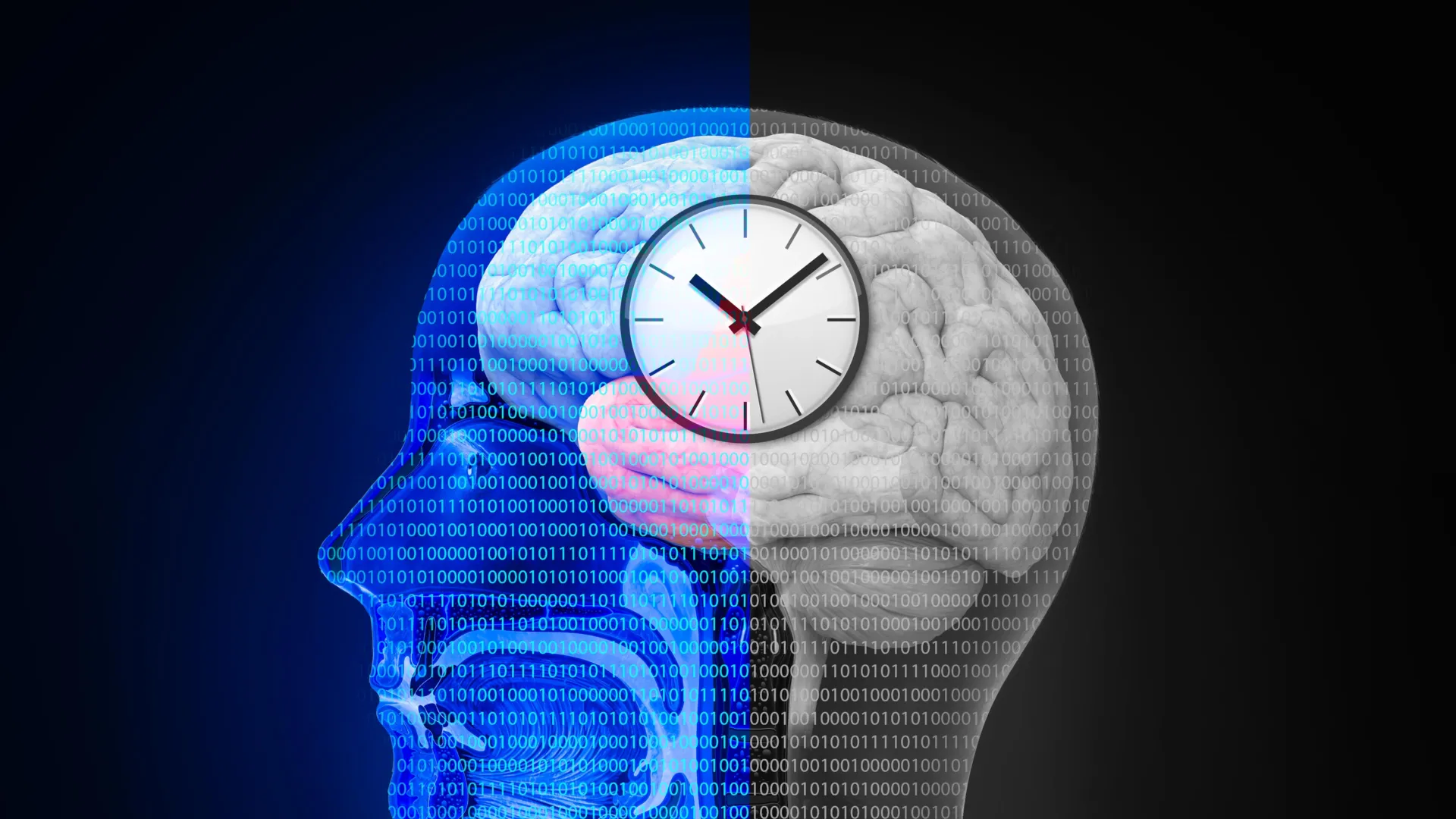
- Key finding: Brain scans show intermittent fasting alters regions linked to appetite, cravings, and self-control. The evidence suggests the gut microbiome and brain work together to influence weight-loss success.
- Why it matters: Shows that the microbiome influences behavior change not just through metabolic hormones, but also via neural signaling pathways.
Gut-brain wellness emerges as major health trend for 2026
- Source: Hindustan Times (May 31, 2026)
- Key finding: Gut health is evolving beyond digestive concerns into a brain health trend, with five major gut-health trends—including maximizing fiber and gut-brain axis wellness—shaping the 2026 wellness industry.
- Why it matters: Consumers and healthcare professionals are increasingly recognizing the microbiome as a driver of brain health, fueling major clinical and commercial interest.
💊 Clinical Trials & Therapeutics
-
Psychobiotics advance in human trials: A 2026 Frontiers paper analyzing human clinical data on psychobiotics found certain probiotic strains effective at easing depression and mood disorder symptoms. However, response varies significantly between patients, highlighting that precise strain selection is key to clinical success.
-
Precision psychobiotics research underway: According to PMC/NIH resources, multi-strain formulations may deliver broader effects and synergy compared to single strains, though specific selection criteria remain unclear. Given that 60% of depression patients don't respond to first-line antidepressants, psychobiotics are gaining attention as a new therapeutic avenue.
🏢 Industry & Business
-
Bioma probiotic evaluation: Per GlobeNewswire (May 30, 2026), Bioma probiotics are being evaluated as an alternative to Seed Probiotics, with independent review of 2026 gut-health research findings, ingredient and dosage transparency, weight-loss support claims, and consumer reviews.
-
Holobiome builds microbiome infrastructure: NutraIngredients (May 28, 2026) reports Holobiome is developing infrastructure to decode microbiome complexity, acknowledging that the gut microbiome is profound yet understudied, requiring more tool development.
🧠 Deep Dive: Protein Sensing and Gut-Brain Communication
The newly discovered gut-brain circuit showcases the biological elegance of nutrient sensing. When intestinal epithelial cells and the enteric nervous system detect shifts in amino acid concentrations, signals travel via the vagus nerve and bloodstream to the appetite centers in the brain's hypothalamus. Simultaneously, hormonal signals—like ghrelin and peptide YY—activate, engaging a complex craving system.
This goes beyond simple calorie math. The brain specifically recognizes which nutrients are missing and rewires behavior to seek foods containing them. Evolutionarily, this makes perfect sense—for millions of years, humans needed to be sensitive to nutrient gaps, especially protein.
The remaining question: What role does the microbiome play? Gut bacteria generate protein metabolism byproducts that can influence nutrient sensing at the intestinal wall. This means microbiome composition directly shapes our nutrient cravings and dietary choices.
📋 Actionable Guide
-
Rotate protein sources: Since the gut-brain circuit detects protein deficiency, varying sources—poultry, fish, legumes, yogurt—maintains more accurate nutritional signaling than relying on a single source. This improves gut-brain axis signal precision.
-
Support microbiome during intermittent fasting: When fasting alters brain circuits, consume enough prebiotic fiber (onions, garlic, whole grains) and fermented foods during eating windows to support the microbiome, strengthening the brain's adaptive mechanisms.
-
Personalize psychobiotic selection: Given 60%+ variation in individual response to psychobiotics, choose multi-strain formulations over single strains. Track mood and cognition for at least 8 weeks to assess effectiveness.
-
Optimize microbiome with Mediterranean patterns: Research shows fiber- and healthy-fat-rich Mediterranean eating patterns offer the greatest benefits for gut microbiome and brain health. Following this pattern 5+ days weekly can yield measurable cognitive improvements within 12 weeks.
👀 Watch These
-
FDA drug approvals expected June 2026: Microbiome-based therapies and psychobiotic approvals are scheduled, expanding mental health treatment options.
-
Global Grants for Gut Health program: Deadline July 14 for international funding supporting gut-brain axis research; researcher submissions expected to surge.
-
Psychobiotic commercialization accelerating: Multiple psychobiotics expected to enter final clinical trial phases within 2026, likely becoming a new standard for treating depression and anxiety disorders.
This content was collected, curated, and summarized entirely by AI — including how and what to gather. It may contain inaccuracies. Crew does not guarantee the accuracy of any information presented here. Always verify facts on your own before acting on them. Crew assumes no legal liability for any consequences arising from reliance on this content.
Powered by
