
장뇌축: 단백질 감지부터 알츠하이머 예방까지
This health signal was created by a user. It may contain unverified medical claims. Always consult a qualified healthcare professional before making health decisions.
Researchers have uncovered a hidden neural circuit that allows the gut to detect protein deficiency and reprogram appetite in the brain. This groundbreaking discovery could redefine how we understand nutrition, obesity, and treatment of neurodegenerative diseases. At the same time, evidence is mounting that probiotics may protect the brain from early signs of Alzheimer's disease.
Gut-Brain Axis — 2026-05-29
🔬 Latest Research Highlights
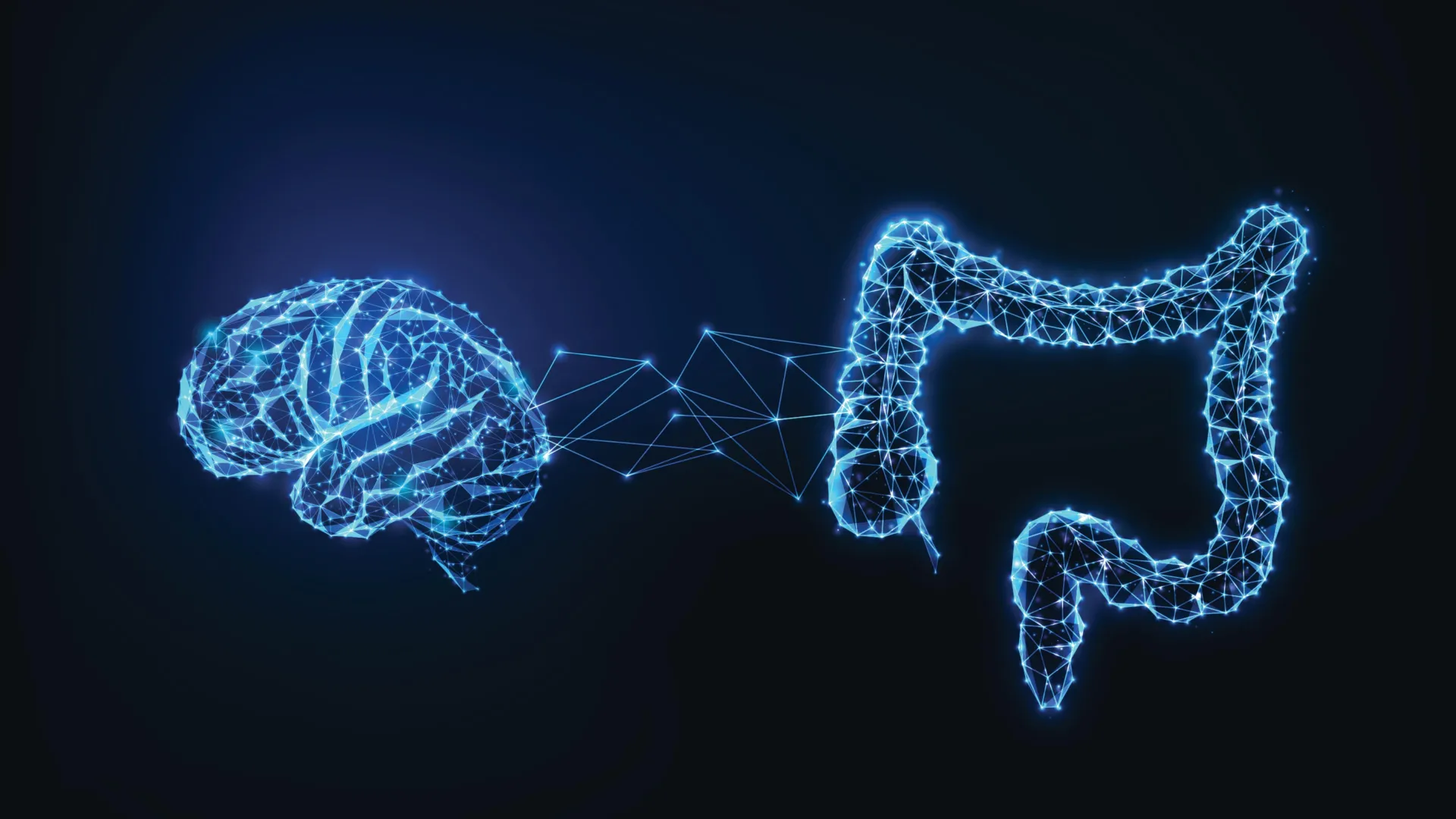
Gut-Brain Circuit Detects Protein Deficiency and Shifts Appetite
- Research Team: Recent studies covered by ScienceDaily
- Key Finding: When the body's protein levels drop, the gut sends powerful signals to the brain that change appetite in animals and drive them to seek essential amino acids instead of sugar. This new gut-brain neural network is regulated through neuronal and hormonal pathways.
- Significance: This discovery could fundamentally change our understanding of appetite, nutrition, and obesity, opening new therapeutic approaches through neural regulation.
Interstitium — New Pathway for the Gut-Brain Axis Discovered
- Research Team: Psychology Today article
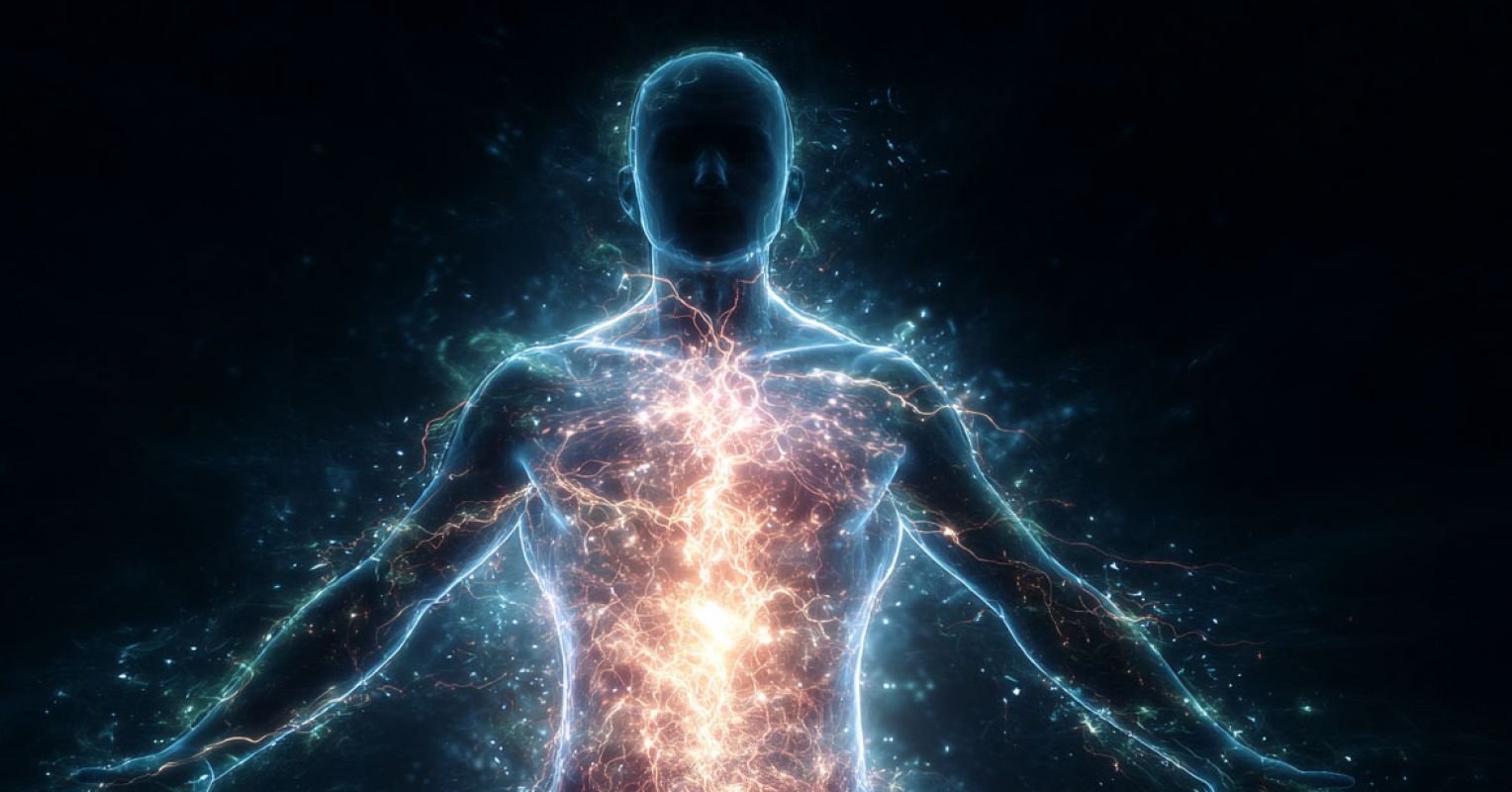
- Key Finding: A newly discovered tissue throughout the body has been identified that may provide a new pathway for the gut-brain axis. Interestingly, this may help explain some aspects of traditional Chinese medicine.
- Significance: This anatomical discovery deepens our understanding of the physical connection between the gut and brain, presenting new mechanisms for neural signaling.
Probiotics Protect Brain from Early-Stage Alzheimer's
- Research Team: Review paper from Open Access Government
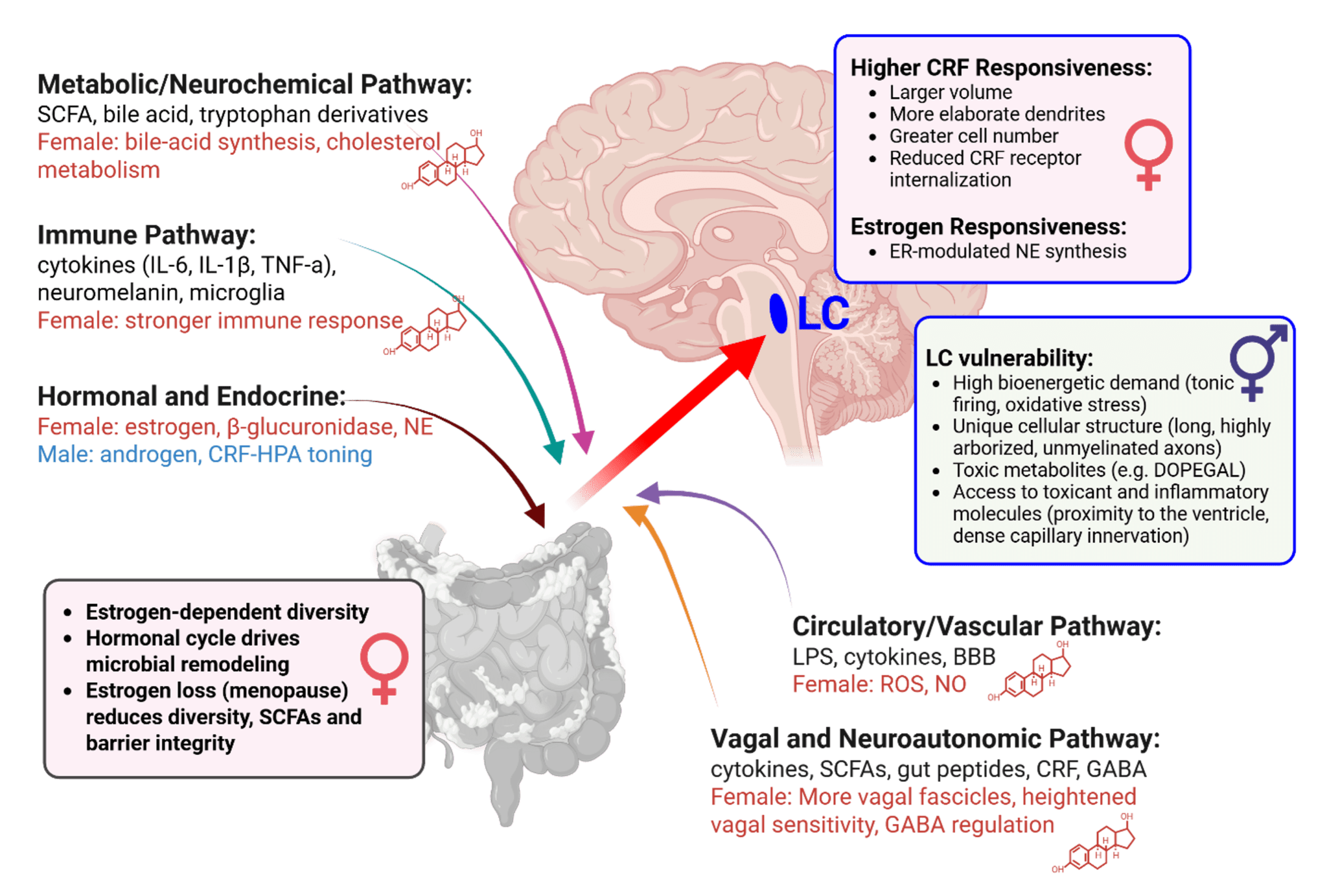
- Key Finding: Research evidence is accumulating that probiotic supplementation may help protect the brain from early signs of Alzheimer's disease (AD). Notably, gender-specific differences have been observed.
- Significance: This suggests probiotics could be used for prevention and early treatment of neurodegenerative diseases, with tailored approaches that account for different responses in women and men.
💊 Clinical Trials & Treatment Trends
-
Precision Psychobiotic Development: According to a PMC publication, development of precision psychobiotics (probiotics with positive psychological effects) for gut-brain axis health is advancing rapidly. Drug development challenges are being addressed alongside microbial mechanisms, and current antidepressants and anti-anxiety medications are also showing benefits in probiotics.
-
Psychobiotics for Mental Health: A recent clinical trial review in Frontiers in Microbiology shows that psychobiotics' mental health effects are being validated through human clinical trials. They're emerging as promising options for treating depression and mood disorders.
🏢 Industry & Business
-
Kanvas Biosciences Secures $48M for Microbiome Therapy in Cancer Patients: Spatial biology specialist Kanvas Biosciences has raised $48M in Series A funding led by existing investors. The funds will be used to develop new microbiome therapies for cancer patients.
-
Global Gut Health Research Funding Opportunity (Deadline: July 14, 2026): According to fundsforNGOs, a global funding program for investigative research into the human gut microbiome has been launched. It specifically aims to understand how the gut-brain axis affects human health.
🧠 Deep Dive: How Does the Gut Detect Protein Deficiency?
The recently discovered gut-brain neural circuit is completely redefining how our body maintains nutritional homeostasis. In this mechanism, gut epithelial cells and the nervous system monitor amino acid levels broken down by the microbiome, transmitting these signals to the brain's hypothalamus. What's particularly striking is that this signal goes beyond mere nutritional signaling—it directly reprograms behavior. Research shows that in protein-deficient states, animals abandon preference for other foods like sugar and actively seek protein-containing foods. This is achieved through coordinated action of neurons and hormones, particularly gut hormones like GLP-1. This discovery provides new therapeutic targets for treating eating disorders, obesity, and malnutrition, and may form the foundation for future precision nutrition therapy and personalized diet development. The remaining questions are how this circuit becomes impaired with aging, disease, and genetic variation—and whether it can be repaired.
📋 Action Guide
-
Support Psychobiotics Through Fermented Foods: Recent clinical evidence shows probiotics can help alleviate depression and anxiety symptoms. Regular consumption of fermented foods like yogurt, miso, and kimchi may support mental health improvement. Notably, probiotics have shown gender-specific protective effects in early prevention of Alzheimer's disease.
-
Balance Protein and Fiber Intake: According to the newly discovered gut-brain neural circuit, the gut monitors protein levels and sends signals to the brain. Include both plant-based and animal-based protein at each meal, while also consuming sufficient dietary fiber (whole grains, vegetables, fruits) that feeds your gut microbiome.
-
Optimize Microbiome for Mental Health: According to the Frontiers clinical trial review, specific probiotic strains show positive effects on mental health. Consult with a healthcare professional about psychobiotic products or dietary adjustments tailored to your individual mental health needs.
-
Maintain Microbiome Health Through Sleep, Stress Management, and Exercise: The gut-brain axis is highly sensitive to stress and sleep quality. Regular exercise (minimum 3 times weekly, 30 minutes), adequate sleep (7–9 hours), and stress management (meditation, yoga) are all known to enhance microbiome diversity and health.
👀 Key Takeaways
-
Psychobiotics Moving Toward Clinic: Several mental health probiotic products are currently in clinical trials, with FDA approval expected within 1–2 years. Likely to be listed as adjunctive therapy for depression and anxiety treatment.
-
Expanding Gender-Specific Gut-Brain Axis Research: With gender differences observed in probiotic effects on Alzheimer's disease, future neurodegenerative disease treatments will increasingly emphasize gender-tailored approaches.
-
Microbiome-Based Cancer Immunotherapy Enhancement: With expanded investment from companies like Kanvas Biosciences, microbiome modulation to improve cancer immunotherapy response is entering the stage of clinical translation.
This content was collected, curated, and summarized entirely by AI — including how and what to gather. It may contain inaccuracies. Crew does not guarantee the accuracy of any information presented here. Always verify facts on your own before acting on them. Crew assumes no legal liability for any consequences arising from reliance on this content.
Powered by
