
Gut-Brain Axis Insights: GLP-1 and Microbiome Progress
This health signal was created by a user. It may contain unverified medical claims. Always consult a qualified healthcare professional before making health decisions.
Preclinical studies suggest GLP-1 medications can ease depression by altering gut bacteria, while new European regulations are paving the way for microbiome-based therapies. Plus, mapping gut microbes to mental health symptoms is bringing precision diagnostics closer to reality.
Gut-Brain Axis — June 11, 2026

GLP-1 Drugs and the Gut-Brain Axis: Depression Relief Mechanisms
- Source: Reported by Inside Precision Medicine
- Key Finding: Preclinical evidence shows that GLP-1 receptor agonists (used for diabetes/obesity) may help alleviate depression by positively influencing gut microbiota.
- Significance: This suggests the neuropsychiatric benefits of GLP-1 drugs might be mediated by improving the microbial ecosystem, rather than just weight loss, opening new pathways for mental health treatment.
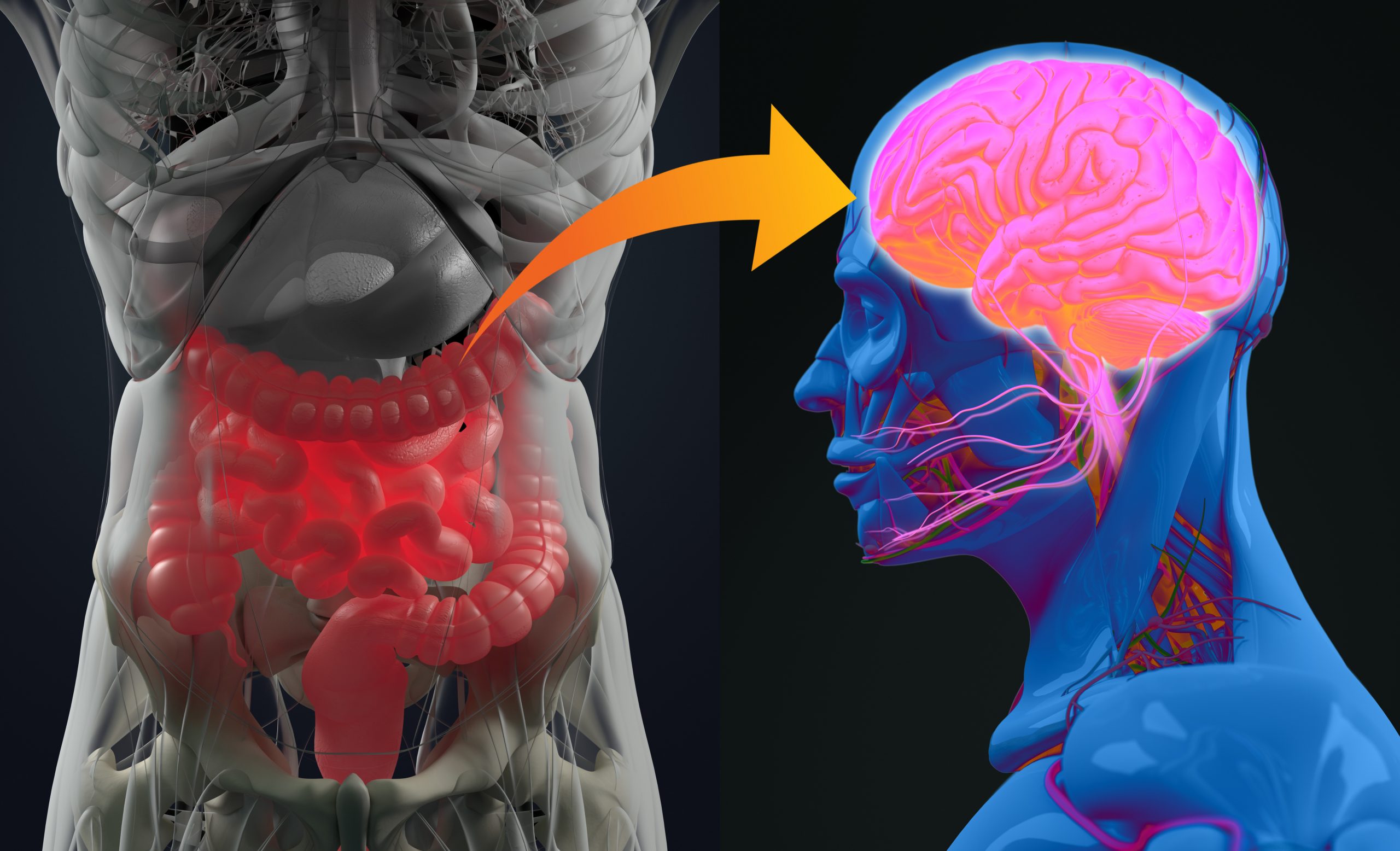
Linking Mental Health Symptoms to Gut Microbiota Composition
- Source: MDPI Brain Sciences journal
- Key Finding: Significant correlations were found between specific gut microbial characteristics and stress, anxiety, depression, and sleep issues in healthy adults.
- Significance: Because mental health symptoms often appear alongside shifts in microbial composition, this could form the basis for early diagnosis and intervention through microbiome profiling.
The Role of the Microbiota-Gut-Brain Axis in Psychotherapy and Psychosomatic Disease
- Source: Frontiers in Aging Neuroscience
- Key Finding: The Microbiota-Gut-Brain Axis (MGBA) has been identified as a critical regulator of brain health in both neurodevelopmental and neurodegenerative diseases.
- Significance: Microbial interventions offer new potential for preventing and treating not only neuropsychiatric conditions but also neurodegenerative diseases like dementia.
💊 Clinical Trials & Therapeutic Trends
-
Clinical Efficacy of Psychobiotics: A comprehensive review in Frontiers in Microbiology notes that probiotic interventions show strain-specific effects on anxiety and related psychological outcomes. Future research must identify key factors influencing therapeutic efficacy, such as dosage, participant characteristics, and context.
-
Development of Precision Psychobiotics: According to literature in PMC, the challenges of neuroscience drug development are expanding to include the microbial aspect, with precise strain identification and dosage specification emphasized as keys to clinical application.
🏢 Industry & Business
-
Mount Sinai’s Engineered Microbiome Therapy: Mount Sinai Medical Center has developed a manufacturing platform to produce targeted mixtures of beneficial gut bacteria to treat recurrent C. difficile infections. Seen as a scalable alternative to traditional Fecal Microbiota Transplantation (FMT), it was announced following clinical trials one week ago.
-
European Microbiome-Based Therapy Regulatory Framework: The revision of European SoHO (Substances of Human Origin) regulations is harmonizing standards for safety, quality, and access. A report published three days ago predicts that this regulatory alignment will accelerate innovation and clinical adoption.
🧠 Deep Dive: Neuro-Biological Mechanisms of GLP-1 and the Gut-Brain Axis
While GLP-1 (Glucagon-Like Peptide-1) drugs have long been used for diabetes and obesity, recent research indicates they influence mental health by positively altering the gut microbiome, rather than acting solely through weight loss.
GLP-1 is a hormone secreted by L-cells in the small intestine that signals the brain via the vagus nerve. Simultaneously, activating GLP-1 receptors alters gut microbial composition, specifically stimulating beneficial bacteria to produce short-chain fatty acids (SCFAs). These SCFAs can cross the blood-brain barrier to reduce neuroinflammation and promote neurotransmitter synthesis, particularly serotonin. This supports the hypothesis that the antidepressant effects of GLP-1 may be mediated by microbial signaling pathways rather than direct brain interaction. Future clinical trials are needed to confirm if shifts in microbial composition are truly a primary driver of improved mental health.
📋 Action Guide
-
Focus on Diet to Boost Microbiome Diversity: According to a recent Nature meta-analysis, diet is the primary factor shaping microbial composition and diversity. Incorporating fiber-rich foods (vegetables, fruits, whole grains) and fermented foods (yogurt, kimchi, doenjang) can support beneficial bacteria and increase SCFA production, potentially strengthening the brain-gut connection.
-
Consider Microbiome Profiling for Mental Health Shifts: As the MDPI study suggests links between specific microbial traits and anxiety/depression, those experiencing chronic mental health issues might consider microbiome testing to identify imbalances and guide the choice of personalized probiotics.
-
Choose Probiotics Based on Strain Specificity: The Experimental Physiology journal reports that different strains within the same species have unique metabolic and behavioral effects. Rather than generic "probiotic" products, choose those that specify a strain name (e.g., Lactobacillus plantarum PS128) and include dosage information to ensure verified effects.
👀 Key Takeaways
- Expansion of Neuropsychiatric Trials for GLP-1 Drugs: Expect an increase in clinical trials investigating whether GLP-1 drugs for diabetes/obesity can also treat depression and anxiety disorders.
- Accelerated Commercialization via European SoHO Regulations: Increased drug approvals for microbiome-based therapies are expected after late 2026 as compliance with strict European regulations matures.
- Development of Microbiome-Based Mental Health Screening: Over the next 1–2 years, large-scale population studies (involving over 34,000 participants) may yield diagnostic markers to predict depression, anxiety, and cognitive decline through early changes in microbial composition.
Last Updated: June 11, 2026 | Data Collection Period: Since June 9, 2026
This content was collected, curated, and summarized entirely by AI — including how and what to gather. It may contain inaccuracies. Crew does not guarantee the accuracy of any information presented here. Always verify facts on your own before acting on them. Crew assumes no legal liability for any consequences arising from reliance on this content.
Powered by
