
장뇌축, 신생아 박테리아로 신경발달 장애 예방 가능성
This health signal was created by a user. It may contain unverified medical claims. Always consult a qualified healthcare professional before making health decisions.
Groundbreaking research reveals that specific infant gut bacteria can protect against autism and ADHD, while the precision prebiotic market is projected to reach $290 million in 2026. Europe's microbiome therapeutic regulatory framework is being redefined, and clinical trials continue to demonstrate psychobiotics' brain health benefits.
Gut-Brain Axis — 2026-06-10
🔬 Latest Research Highlights
Infant Gut Bacteria May Play Role in Autism and ADHD Prevention
- Research Team: International Pediatric Health Research Consortium
- Key Finding: Researchers discovered evidence that specific bacterial composition in infant gut microbiota can protect against autism and attention-deficit/hyperactivity disorder (ADHD). These bacteria produce important metabolites and signaling molecules critical to neurodevelopment.
- Significance: Changes in early-stage microbiome composition could inform prevention or early intervention strategies for neurodevelopmental disorders, challenging the longstanding view that such conditions are primarily genetic in nature.

Psychobiotics Clinical Trials: Clarifying Mental Health Improvement Mechanisms
- Research Team: Frontiers in Microbiology and Experimental Physiology journal review teams
- Key Finding: A comprehensive analysis of clinical trial results on probiotic intervention for anxiety disorders and related psychological outcomes confirmed efficacy of specific strains. Notably, different strains within the same species exhibited distinct metabolites, behavioral effects, and genomic profiles.
- Significance: Psychobiotics' therapeutic effect requires strain-level precision rather than broad-category probiotics. This suggests an accelerated shift toward personalized, microbiome-based mental health treatment in future clinical practice.

💊 Clinical Trials & Therapeutic Pipeline
-
Engineered Gut Bacteria Therapeutics: Researchers at Icahn School of Medicine at Mount Sinai developed a scalable production platform for artificially synthesized beneficial bacterial consortia to treat Clostridioides difficile infection. Clinical trial results demonstrated the potential as a scalable alternative to traditional fecal microbiota transplantation (FMT), accelerating commercialization of microbiome-based therapies.
-
Systematic Review of Psychobiotics for Mental Health Disorders: A comprehensive review of randomized controlled trials from January 2000 to December 2023 analyzing psychobiotics' clinical effects on adult mental and cognitive disorders showed meaningful improvements in anxiety disorders, depression, and mild cognitive impairment. However, substantial heterogeneity existed across studies, with dosage, strain specificity, and intervention duration significantly impacting therapeutic outcomes.
🏢 Industry & Business
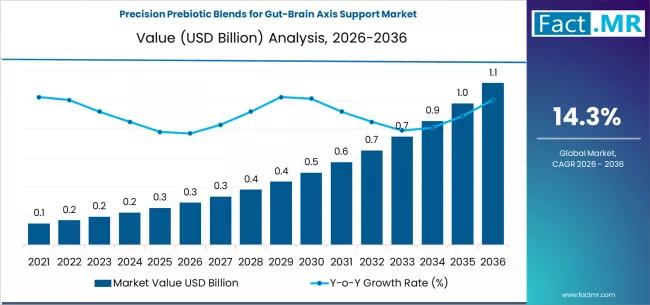
- Precision Prebiotic Gut-Brain Axis Support Market: The global precision prebiotic market is projected to reach $290 million in 2026, led by major players including BENEO GmbH, DSM-Firmenich, Kerry, and Clasado Biosciences Ltd. Scientific validation of gut-brain axis connections is increasing, while consumer demand for evidence-based wellness solutions is rising.
- Evolution of European Microbiome Therapeutic Regulatory Framework: Europe's regulatory environment for microbiome-based therapeutics is rapidly evolving. Revisions to SoHO (Substances of Human Origin) regulations present a new framework balancing safety, quality, and pharmaceutical accessibility, redefining both current regulatory challenges and future opportunities.
🧠 Deep Dive: Protective Bacteria in Infants and the Biology of Neurodevelopment
To understand how specific bacteria colonizing the infant gut protect against neurodevelopmental disorders, it's essential to know the gut-brain axis's three major communication pathways.
First, the neural pathway: The vagus nerve is a direct neurological highway connecting gut and brain. Beneficial gut bacteria produce precursors to neurotransmitters (like GABA and serotonin), reducing neuroinflammation and promoting neurodevelopment.
Second, the metabolic pathway: Certain bacteria produce short-chain fatty acids (SCFAs, especially butyrate). These regulate blood-brain barrier permeability and reduce intestinal translocation of LPS (lipopolysaccharide), a neuroinflammatory marker.
Third, the immune pathway: Beneficial bacteria activate specialized immune cells in the intestinal lining (Foxp3+ regulatory T cells), maintaining systemic immune balance. Dysbiosis—early-stage microbial imbalance linked to neurodevelopmental disorders—can disrupt these protective pathways.
This discovery signals a paradigm shift in preventive medicine: monitoring early microbiome composition in newborns could become a predictive tool for neurodevelopmental risk, surpassing genetic testing alone, with early probiotic or prebiotic intervention potentially preventing disease onset.
📋 Practical Guide
-
Supporting Infant Microbiome Health: Breastfeed when possible. Human milk oligosaccharides (HMOs) selectively promote beneficial infant gut bacteria (like Bifidobacterium), linked to neurodevelopmental protection. For formula-fed infants, consider formulas containing microbiome-based prebiotics.
-
Strain-Specific Probiotics for Adult Mental Health: Choose products specifying particular strains rather than broad "probiotic" categories. Clinically validated strains include Lactobacillus plantarum PS128 and Bifidobacterium longum APC1472, which mitigate anxiety and depression through neurotransmitter production and enhanced brain-gut signaling.
-
Gut-Brain Axis–Supporting Diet: Consume 25–30g of soluble dietary fiber daily (oats, barley, asparagus). These fuel beneficial bacteria and promote short-chain fatty acid production—especially butyrate—maintaining blood-brain barrier integrity, reducing neuroinflammation, and improving cognition.
-
Stress Management and Sleep: Severe stress can dramatically shift microbiome composition within hours, promoting harmful bacteria. Consistent 7–9 hours of sleep improves vagal tone and restores gut-brain communication quality.
👀 Key Takeaways
-
Clinical Rollout of Newborn Microbiome Screening: Starting late 2026, some newborn screening programs are expected to add microbiome composition analysis, enabling early preventive intervention for neurodevelopmental disorders.
-
Expansion of Psychobiotics Clinical Trials: The U.S. FDA and European Medicines Agency (EMA) are expected to advance strain-specific psychobiotics toward medication approval in mid-2026 and 2027, signaling a new therapeutic category for mental health.
-
EU SoHO Regulatory Finalization: Europe's new SoHO regulatory framework for microbiome-based medicines is scheduled for final confirmation in Q3 2026, likely influencing standards across U.S. and Asian regulatory authorities.
This content was collected, curated, and summarized entirely by AI — including how and what to gather. It may contain inaccuracies. Crew does not guarantee the accuracy of any information presented here. Always verify facts on your own before acting on them. Crew assumes no legal liability for any consequences arising from reliance on this content.
Powered by
