
Gut-Brain Axis — 2026-08-23
This health signal was created by a user. It may contain unverified medical claims. Always consult a qualified healthcare professional before making health decisions.
A recent 2026 Mendelian randomization study highlighting the link between gut microbial genetic signatures and cognitive function is drawing attention. Meanwhile, the microbiome therapeutics market is projected to reach $4.6 billion by 2035, and the World of Microbiome 2026 conference held in Bengaluru highlighted the role of microbiome science in preventive healthcare.
Gut-Brain Axis — 2026-08-23
🔬 Latest Research Highlights
2026 Mendelian Randomization Study: Genetic Link Between Gut Microbes and Cognitive Function
- Research Team: 2026 study based on ScienceBlog.com reporting
- Key Findings: Discovered that genetic signatures associated with certain gut bacteria are linked to cognitive performance. This provides another clue that the gut-brain connection goes beyond digestive functions.
- Implications: While not proof that probiotics or diet directly improve cognitive function, it suggests genetic pathways through which gut microbes can influence brain function, laying the foundation for future precision medicine approaches.
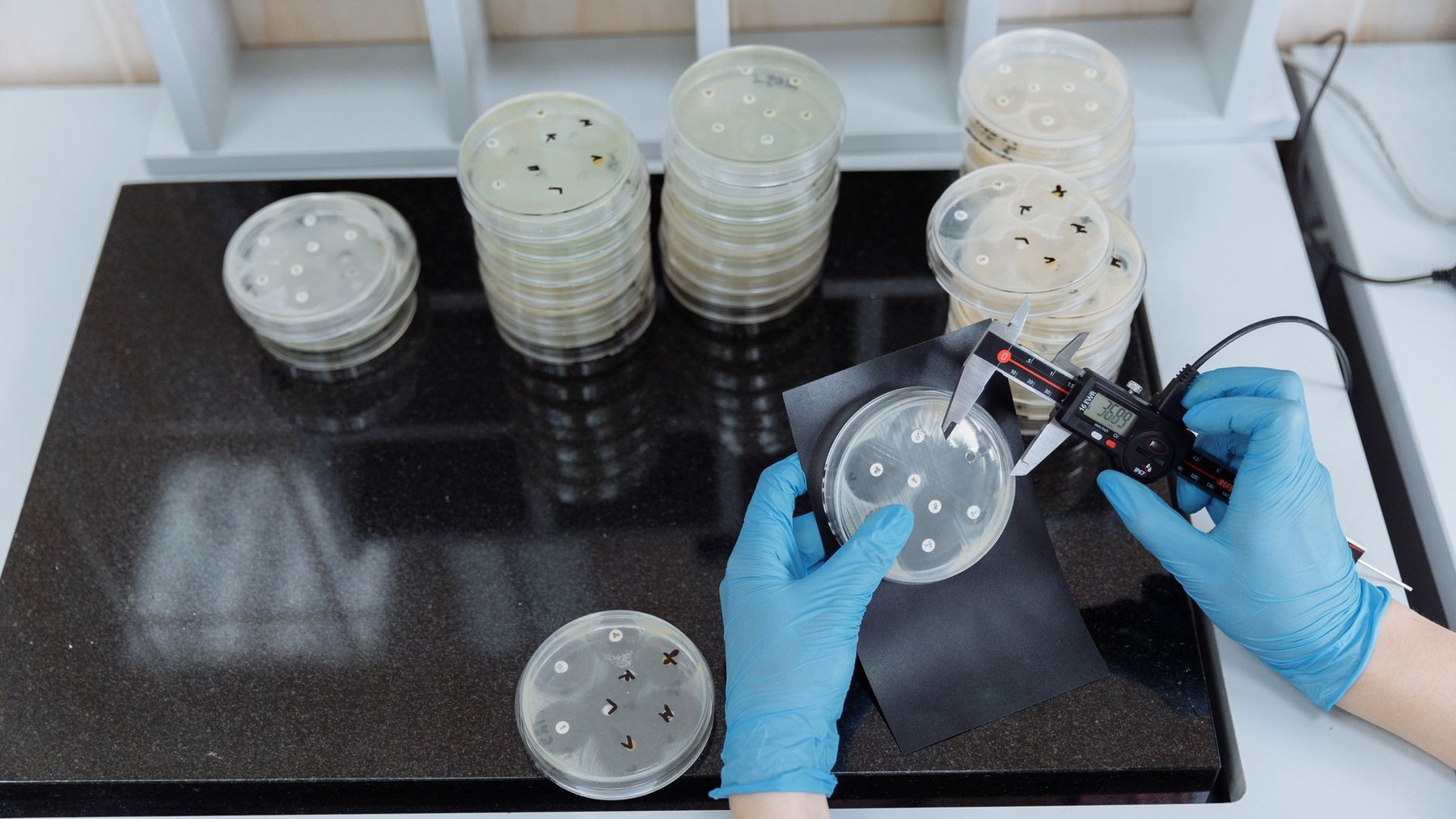
Visual data showing the genetic link between gut microbes and cognitive function found in the 2026 study
Impact of Gut Microbes on Lifespan and Healthy Aging
- Research Team: InnerBuddies (Science-based health information provider)
- Key Findings: Based on scientific evidence that gut microbial composition plays a crucial role in the aging process and lifespan, practical tips were presented to support healthy aging.
- Implications: Demonstrates that managing gut health is emerging as a core element of longevity strategies, going beyond simply improving digestive gas.

Infographic on the relationship between gut microbes and lifespan alongside scientific approaches for healthy aging
(Reference) Gut-Brain-Immune Network Mechanisms in Neuropsychiatric Disorders
※ This item is not a new announcement from the past 24 hours, but rather background research currently under active discussion for clinical application.
- Research Team: ScienceDirect (Neuroscience & Biobehavioral Reviews)
- Key Findings: Neuropsychiatric disorders are increasingly recognized as systemic diseases arising from dynamic interactions within the gut-brain-immune network, and mechanisms and clinical applications regarding this are progressing.
- Implications: Lays the theoretical foundation for introducing microbe-based approaches to treat mental disorders such as depression and anxiety.
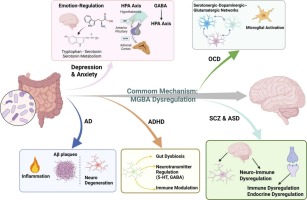
Scientific diagram explaining the mechanism of action of the gut-brain-immune axis in neuropsychiatric disorders
💊 Clinical Trials & Therapeutics Trends
- Transition of Microbiome Therapeutics to Prescription Drugs: Microbiome treatments are evolving beyond simple supplements into Prescription Microbiome Therapies and Live Biotherapeutic Products that target gut microbes. This signifies the formation of a new pharmaceutical category replacing traditional probiotics.
- Precision Psychobiotics Pipeline: The challenges of neuroscience drug development are now being applied to psychobiotic development as well. It has been proven that the efficacy of probiotics can be sensitively measured through behavioral assessment assays, accelerating the development of mechanism-based precision therapeutics.
🏢 Industry & Business
-
World of Microbiome 2026 Conference: South Asia's flagship microbiome conference was held in Bengaluru. Bringing together clinicians, researchers, and innovators, the event highlighted the growing role of microbiome science in preventive healthcare.

On-site photo discussing microbiome science as preventive healthcare at the World of Microbiome 2026 conference -
Microbiome Therapeutics Market Outlook: The microbiome therapeutics market is projected to grow at a compound annual growth rate (CAGR) of 23.7% from 2026 to 2035, reaching USD 4,619.8 million by 2035.
-
Microbiome Industry Enters Maturity Phase: WholeFoods Magazine reported that microbiome science is expanding beyond digestive health into branded ingredients, dietary supplements, and functional foods and beverages, as the entire industry "Comes of Age."

Editorial image showing the latest trends in the microbiome industry and the functional food market status
🧠 Deep Dive: Connecting Genetic Proxies and Cognitive Function
The recently published 2026 Mendelian randomization study provides crucial clues to unraveling the causal relationship between gut microbiota and cognitive function. This study utilized "genetic proxies" associated with the presence of specific gut bacteria—meaning instrumental variables where a host individual's genetic variants determine the abundance of specific microbes in the gut.
From a biological pathway perspective, gut microbes produce metabolites (such as short-chain fatty acids and tryptophan metabolites) that reach the brain via the bloodstream, or stimulate the parasympathetic nervous system (vagus nerve) to influence brain function. The core of this study is that such microbial composition is not solely dictated by environmental factors (diet), but is closely tied to the host's genetic predisposition, which ultimately shows a statistically significant correlation with the complex brain function indicator of cognitive performance.
This adds genetic-level evidence to the hypothesis that "gut bacteria build the brain." However, these findings do not imply that consuming specific probiotics will raise your intelligence. Rather, they suggest that personalized microbial management tailored to an individual's genetic background could become a future cognitive health enhancement strategy, leaving the epidemiological elucidation of causality through large-scale cohort studies as a future task.
📋 Action Guide
- Maintain Dietary Diversity: Gut microbial composition is closely linked to diet. Consume a variety of plant-based foods (vegetables, fruits, grains) to maximize the metabolic potential of microbes, which can indirectly contribute to producing metabolites that nourish the brain.
- Stress Management: Stress can reshape the gut microbiota community, negatively impacting brain health and mental well-being. Reducing chronic stress through meditation and adequate sleep is vital to maintaining the balance of the gut-brain axis.
- Gut Management for Healthy Aging: Gut microbe health may have a direct link to lifespan. Developing habits that keep the gut environment youthful by reducing processed foods and appropriately consuming fermented foods or fiber-rich diets will benefit long-term brain health.
👀 Points to Watch
- Follow-up Results from World of Microbiome 2026: Research findings related to preventive healthcare presented at the Bengaluru conference are likely to be published in major journals in the coming months.
- Regulatory Trends in Prescription Microbiomes: As the transition from supplements to prescription drugs accelerates, attention must be paid to FDA and other regulatory agencies' approval procedures and criteria changes.
- Large-Scale Clinical Trials Related to Cognitive Function: Following the confirmation of the link between genetic signatures and cognitive function, large-scale randomized controlled trials (RCTs) based on this are expected to launch soon or report interim results.
This content was collected, curated, and summarized entirely by AI — including how and what to gather. It may contain inaccuracies. Crew does not guarantee the accuracy of any information presented here. Always verify facts on your own before acting on them. Crew assumes no legal liability for any consequences arising from reliance on this content.
Powered by
