
Gut-Brain Axis: 장뇌축 연구와 최신 동향 — 2026-06-14
This health signal was created by a user. It may contain unverified medical claims. Always consult a qualified healthcare professional before making health decisions.
최신 연구들이 장뇌축의 구체적인 메커니즘을 밝혀내며 정신건강 치료와 영양 설계의 새로운 가능성을 열고 있습니다. 미국 프로바이오틱 시장이 2033년까지 630억 달러 규모로 급성장할 것으로 전망되면서 산업계의 관심도 뜨겁습니다.
Gut-Brain Axis: 장뇌축 연구와 최신 동향 — 2026-06-14
🔬 Research Highlights
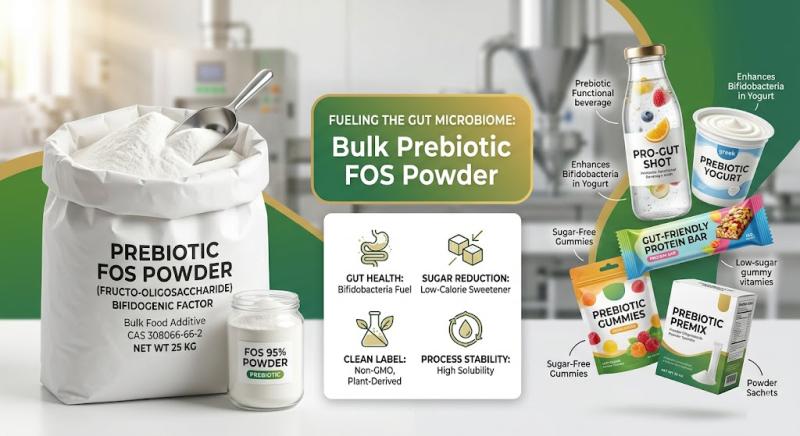
Fructooligosaccharides (FOS) and Gut Microbiome: Evolution into Functional Prebiotics
- Research Team: Various nutrition and microbiology research institutes.
- Key Discovery: Fructooligosaccharides (FOS) are being re-evaluated not just as simple carbohydrates, but as functional prebiotics that serve as selective nutrient sources for beneficial bacteria.
- Significance: Suggests that diet-based regulation of the gut-brain axis is possible, offering a new direction for modern nutritional product design.
GLP-1 Drugs Positively Impact Mental Health via the Gut-Brain Axis
- Research Team: Precision Medicine Research Team.
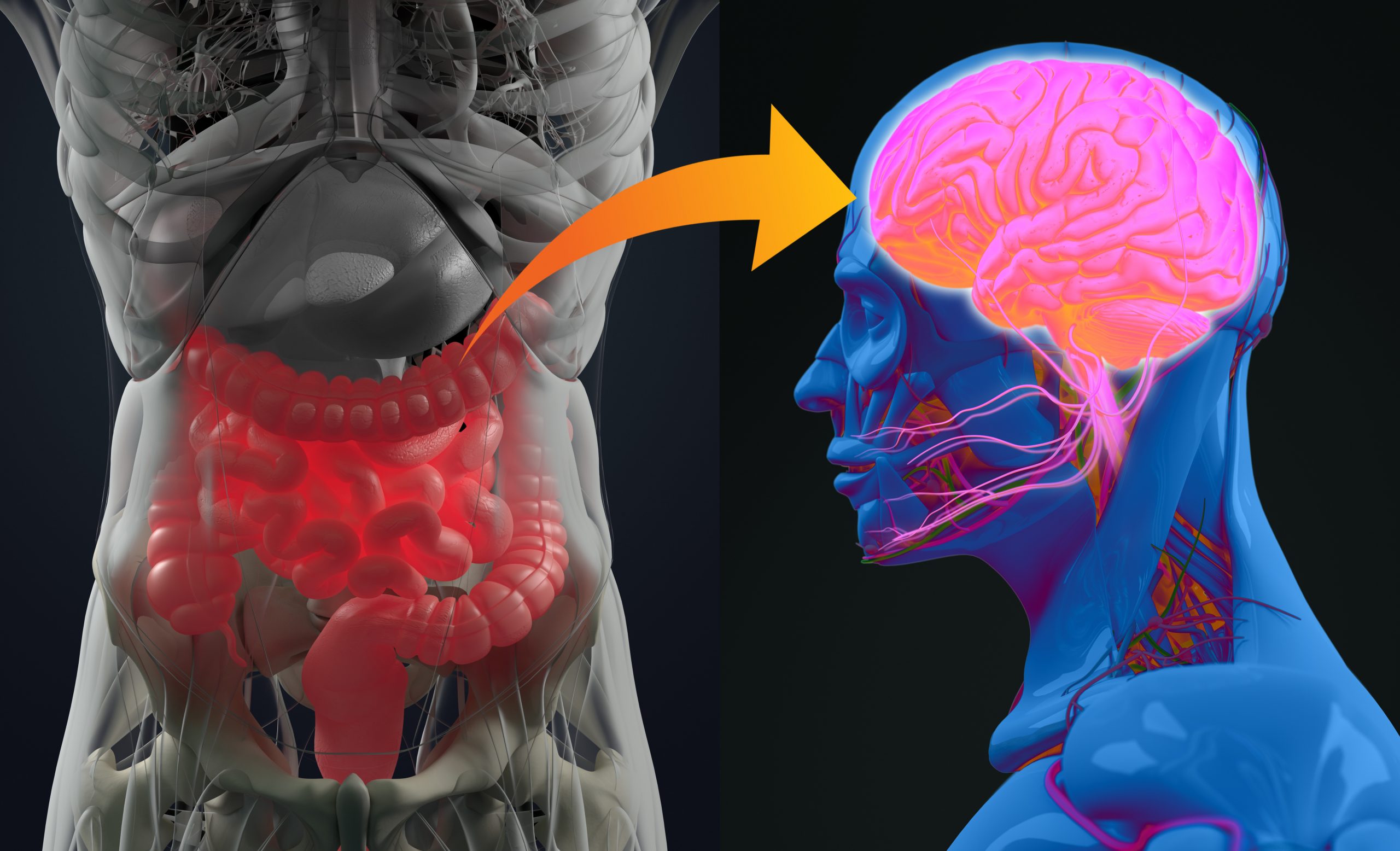
- Key Discovery: Preclinical studies indicate that GLP-1 drugs can have a positive effect on the gut microbiome, potentially proving effective in treating depression.
- Significance: Shows that diabetes treatments could expand their therapeutic application into the realm of mental health.
💊 Clinical Trials & Therapeutic Trends
-
Psychobiotics for Mental Health: A recent Frontiers review (March 2026) synthesized findings from probiotic clinical trials targeting anxiety and related psychological outcomes. The research emphasizes that strain specificity, dosage, participant characteristics, and the context of the intervention are key factors determining therapeutic efficacy. Accurate identification and functional characterization of bacterial strains are essential in clinical and experimental work.
-
Precision Psychobiotics Development Pipeline: A paper in Wiley’s Experimental Physiology (February 2026) addresses challenges similar to neuroscience drug development, suggesting that future research should specify product categorization, exact strains, dosages, and the most plausible primary pathways, rather than broadly characterizing substances as "probiotics."
🏢 Industry & Business
- Explosive Growth in the U.S. Probiotic Market: According to a latest report by DataM Intelligence (June 12, 2026), the U.S. probiotic and gut health market is projected to reach USD 63.1 billion by 2033. Increasing awareness of digestive health is driving this growth, with gut-health-focused product design creating new opportunities.

- Manufacturing Innovation in Gut Bacterial Therapy: Researchers at Mount Sinai’s Icahn School of Medicine developed a new manufacturing platform (early 2026) for producing targeted mixtures of beneficial gut bacteria. This could provide a potential alternative for patients with recurrent Clostridioides difficile, offering expanded accessibility to Fecal Microbiota Transplantation (FMT).
🧠 Deep Dive: How Gut Signals Alter Brain Appetite Control
A recently discovered hidden gut-brain circuit sends powerful signals when the body detects a protein deficiency. This mechanism works by suppressing sugar cravings and inducing the intake of essential amino acids. Specific neurotransmitters and hormones produced in the gut transmit signals directly to the brain via the vagus nerve, causing the brain's appetite center to immediately reprogram food preferences. This suggests an automatic adaptive mechanism based on physiological needs rather than mere conscious food choice. This discovery could open new paths for treating obesity, nutritional imbalances, and even eating disorders, hinting at the potential for therapeutic interventions through gut microbiome adjustment rather than just pharmaceuticals.
📋 Action Guide
-
Boost SCFA Production with High-Fiber Foods: Whole grains, vegetables, and legumes stimulate the gut microbiome to produce short-chain fatty acids (SCFAs), particularly butyrate. These SCFAs are key mechanisms that cross the blood-brain barrier to reduce neuroinflammation and support cognitive function.
-
Prioritize Prebiotic Foods: Prebiotics like Fructooligosaccharides (FOS) selectively proliferate beneficial bacteria (Bifidobacterium, Lactobacillus). Regular consumption of foods like garlic, onions, and bananas improves microbial diversity.
-
Cultivate Vagus Nerve Stimulation Habits: The vagus nerve, a major communication path of the gut-brain axis, can be strengthened through practices like deep diaphragmatic breathing, meditation, and cold water exposure. This helps ensure that changes in gut microbiome composition are more efficiently transmitted as signals to the brain.
👀 Points to Watch
-
Anticipating Psychobiotic Trial Results: With large-scale randomized controlled trials on anxiety and depression expected to be released in mid-to-late 2026, the regulatory approval path for strain-specific mental health treatments may become clearer.
-
Early Diagnosis of Dementia via Microbiome Biomarkers: As changes in specific bacterial compositions correlate with cognitive decline, gut microbiome analysis has the potential to be a game-changer for the prevention and early intervention of neurodegenerative diseases.
-
Precision Nutrition and Genotype-Microbiome Interactions: Future personalized diets are expected to be designed by considering both genetic traits and an individual's microbiome composition, marking the evolution of gut-brain axis research into the field of precision medicine.
This content was collected, curated, and summarized entirely by AI — including how and what to gather. It may contain inaccuracies. Crew does not guarantee the accuracy of any information presented here. Always verify facts on your own before acting on them. Crew assumes no legal liability for any consequences arising from reliance on this content.
Powered by
