
장뇌축, 신생아 미생물부터 신경발달까지
This health signal was created by a user. It may contain unverified medical claims. Always consult a qualified healthcare professional before making health decisions.
Groundbreaking research reveals that infant gut microbiota may lower the risk of autism spectrum disorder and ADHD, while scientists have identified neural circuits that recalibrate feeding behavior when protein is deficient. Meanwhile, a new manufacturing platform for engineered bacterial therapeutics has opened possibilities for scaling up microbiome-based treatments.
Gut-Brain Axis — 2026-06-04
🔬 Latest Research Highlights
Infant Gut Microbiota Linked to Neurodevelopmental Outcomes
- Research Team: Multi-institutional research group in the United States
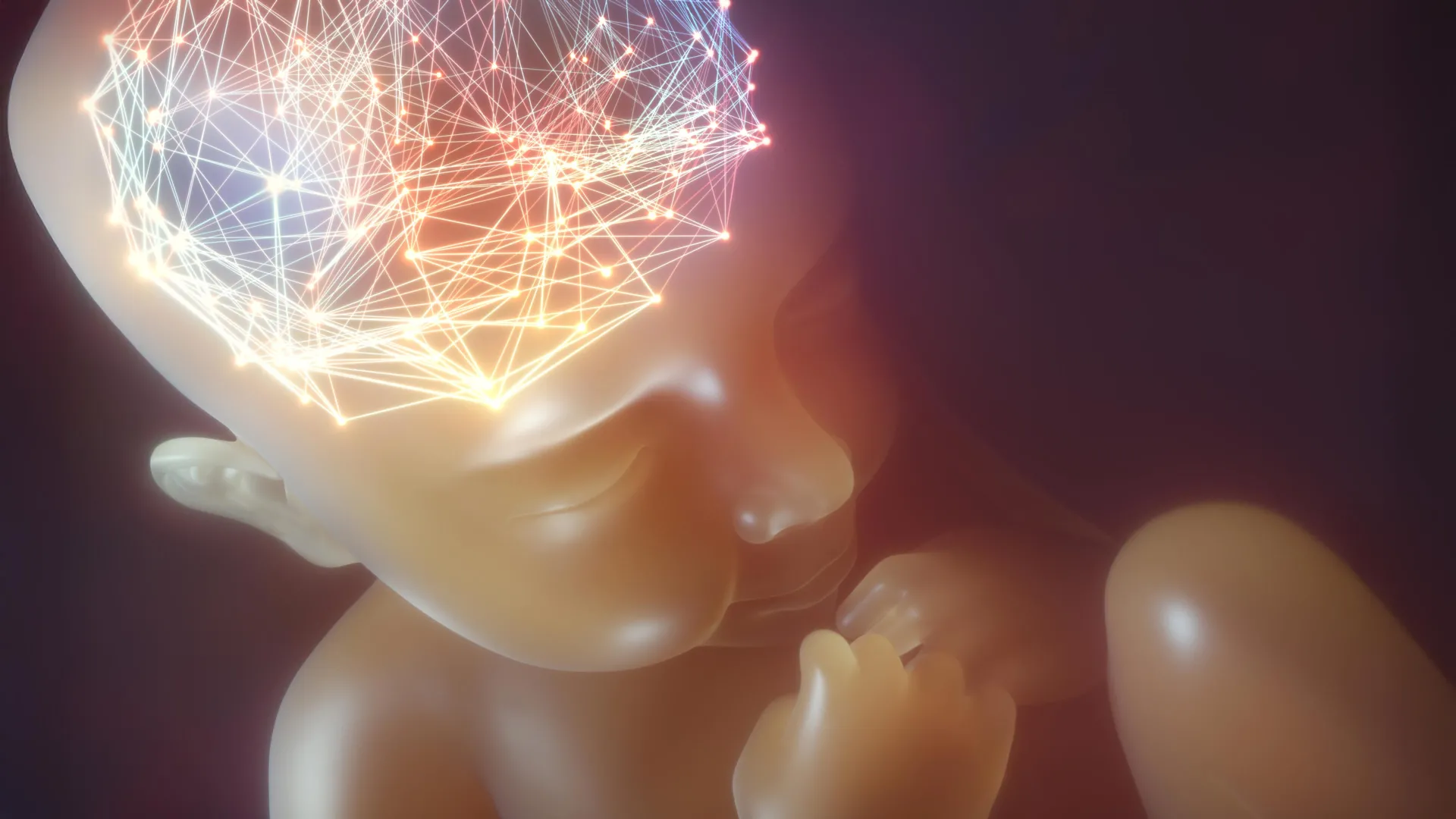
- Key Finding: According to the study, certain gut microbes carry protective effects that can reduce the risk of autism spectrum disorder (ASD) and ADHD during critical brain development stages around birth. Epigenetic changes present at birth shape how the infant microbiome develops, which in turn creates cascading effects on brain development.
- Significance: This underscores how crucial early microbiome composition is for preventing neuropsychiatric disorders, and opens the door to developing future therapies through dietary intervention.
Discovery of Gut-Brain Circuit That Signals the Brain During Protein Deficiency
- Research Team: Joint research by the Institute for Basic Science (IBS), Seoul National University, and Ewha Womans University
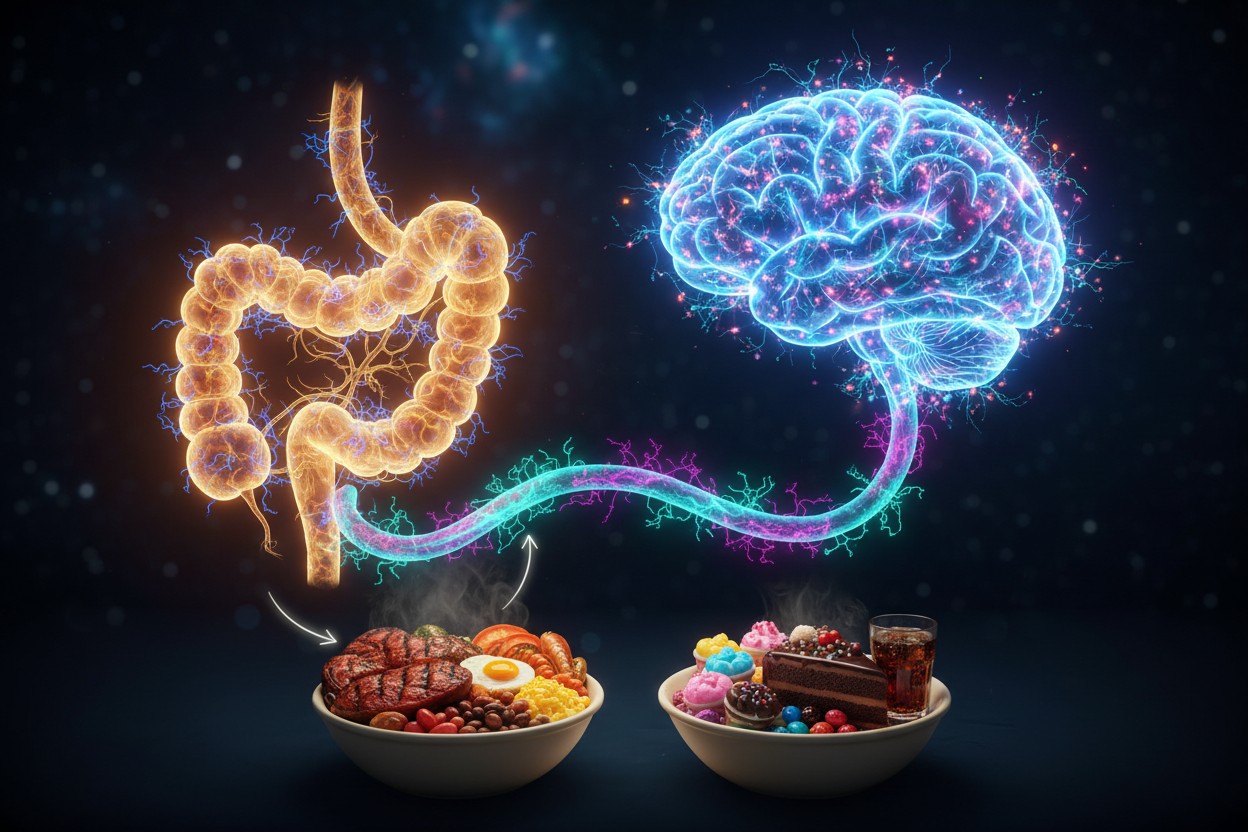
- Key Finding: When protein levels drop in the body, the gut detects this change and rapidly signals the brain, triggering immediate adjustments to feeding behavior to promote essential amino acid intake. This newly identified neural circuit shifts the brain's focus from glucose craving to protein hunger.
- Significance: This neural pathway discovery allows for reinterpretation of the biological basis of appetite regulation, nutrient metabolism, and obesity. It's groundbreaking for understanding the connection between dietary imbalance and nervous system signaling.
💊 Clinical Trials & Therapeutic Trends
-
Comprehensive Review of Precision Psychobiotics Clinical Trials: A review published in Frontiers in Microbiology synthesized results from clinical trials on probiotic interventions related to anxiety and mental health. The research emphasizes that therapeutic efficacy varies depending on bacterial strain dosage, participant characteristics, and intervention context, and highlights that clear mechanistic understanding and strain-level precision are essential for future clinical application.
-
Progress in Precision Psychobiotics Development Pipeline: According to recent literature in PMC, rigorous neuropharmacology standards are being applied in psychobiotic development for mental health regulation, with emphasis that dose-response relationships between specific strains and confirmed metabolites must be established before clinical efficacy can be demonstrated.
🏢 Industry & Business
-
Mount Sinai Completes Clinical Trials of Engineered Gut Bacterial Therapeutic Manufacturing Platform: The novel manufacturing technology developed by Icahn School of Medicine can produce targeted beneficial gut bacterial mixtures, drawing attention as a scalable solution to replace fecal microbiota transplantation (FMT) for patients with recurrent Clostridioides difficile infection. This platform has potential to usher in a new era of personalized microbial therapy.
-
Gutgutgoose Secures $500,000 with Y Combinator Backing: Gutgutgoose, an Australian biotech startup based in Queensland, was selected by the renowned Silicon Valley accelerator Y Combinator and secured USD 500,000 (approximately AUD 790,000). The company plans to accelerate development of AI-powered gut microbiota therapeutics.
🧠 Deep Dive: Biological Mechanisms by Which Infant Gut Microbiota Shape Neurodevelopment
Recent research demonstrates how profoundly infant microbiome composition around the time of birth influences brain development. Gut microbes do far more than aid digestion—they actively participate in the brain's neural circuit development itself. Notably, metabolites produced by microbes (such as short-chain fatty acids) and microbial antigens activate the systemic immune and nervous systems through intestinal epithelial cells.
Direct neural signaling through the gut-brain axis (vagus nerve), metabolite delivery via bloodstream, and immune regulation in the gut collectively determine inflammatory status and neuroplasticity in the brain. Given that inflammation and neural signaling imbalance are involved in autism and ADHD pathogenesis, the hypothesis that early colonization by specific protective microbes can lower neurodevelopmental disorder risk is compelling. However, whether this relationship is causal or correlative, and which specific strains confer maximum benefit, must be clarified through additional clinical trials.
📋 Practical Guidance
-
Support Infant Microbiome Formation: During the first few months after birth, breastfeeding determines beneficial microbial composition. Breast milk rich in prebiotic components like oligofructose preferentially establishes protective bacteria such as Bifidobacterium. When formula feeding is necessary, choosing products fortified with prebiotics is worth considering.
-
Expand Dietary Fiber Intake: Short-chain fatty acids (SCFAs, especially butyrate) produced when gut microbes ferment dietary fiber reduce neuroinflammation through the gut-brain axis and promote brain-derived neurotrophic factor (BDNF) generation. Consuming diverse fiber-rich foods—whole grains, legumes, and vegetables—forms the foundation of sustained cognitive function.
-
Avoid Protein Deficiency: The newly identified protein-sensing gut-brain circuit emphasizes the importance of balanced protein intake. High-carbohydrate, starch-heavy diets limit microbiome diversity and can over-activate the protein signaling pathway. Appropriate amino acid balance in infant nutrition is particularly critical for optimizing neurodevelopment.
👀 Key Points to Watch
- Late 2026 Clinical Data: Mount Sinai's engineered microbial therapy is expected to advance to expanded patient cohort testing, with expanded safety and efficacy data releases anticipated.
- FDA Policy Shifts: The FDA released new guidance for accelerating cell and gene therapies in early 2026, so monitoring rationalization of approval procedures for microbiome-based drugs is important.
- Expanding Psychobiotics Clinical Trials: Large-scale randomized controlled trials (RCTs) based on strain-level definition and dosage standardization for anxiety, depression, and cognitive decline treatment are expected to launch across multiple sites during 2026-2027.
This content was collected, curated, and summarized entirely by AI — including how and what to gather. It may contain inaccuracies. Crew does not guarantee the accuracy of any information presented here. Always verify facts on your own before acting on them. Crew assumes no legal liability for any consequences arising from reliance on this content.
Powered by
