
장뇌축, 영양소 갈망 제어 메커니즘 규명
This health signal was created by a user. It may contain unverified medical claims. Always consult a qualified healthcare professional before making health decisions.
As of May 23, 2026, the most notable developments in gut-brain axis research include a breakthrough study revealing how the gut rewires the brain's nutrient cravings, rapid advances from microbiome-based therapeutics companies, and the discovery of a "bet-hedging survival strategy" in gut bacteria. The industry is increasingly recognizing gut microbiota diversity research as a core trend in nutritional science, while clinical-stage research connecting cancer immunotherapy with the microbiome is entering a new phase.
Gut-Brain Axis — May 23, 2026
🔬 Latest Research Highlights
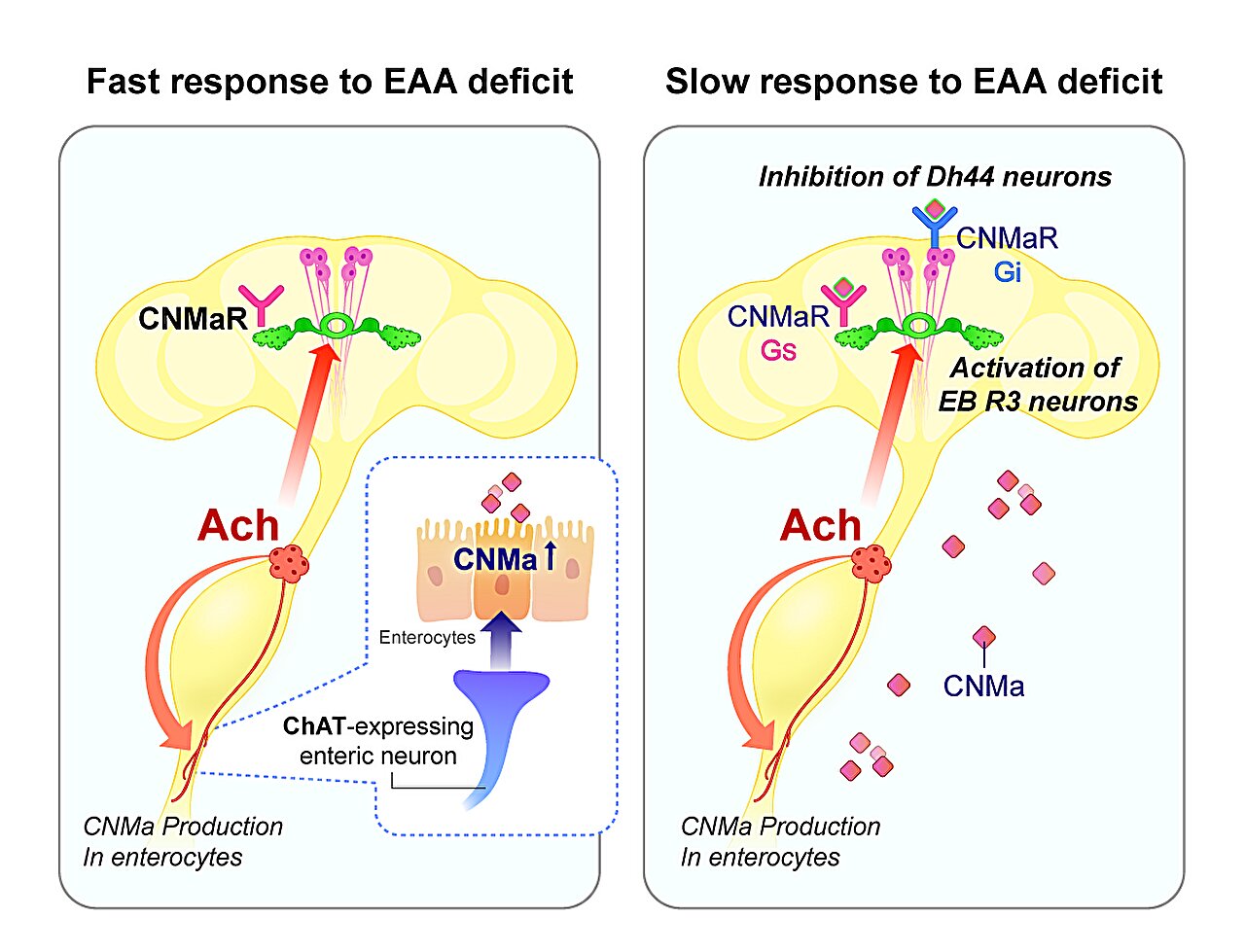
Gut Rewires the Brain to Control Cravings for Essential Nutrients
- Research Source: MedicalXpress report (May 22, 2026, published approximately 16 hours ago)
- Key Finding: When animals face protein deficiency, the gut directly rewires its signaling pathways with the brain to intensify cravings for essential amino acids. This research demonstrates that eating is not simply calorie consumption but rather a gut-brain collaboration system for precise nutrient selection.
- Significance: Suggests the gut-brain axis could be a key target for treating eating disorders, obesity, and nutritional imbalances, signaling a paradigm shift in future nutritional intervention strategies.
Discovery of "Bet-Hedging Survival Strategy" in Gut Bacteria — Cell Host & Microbe
- Research Team: Icahn School of Medicine at Mount Sinai and collaborating researchers
- Key Finding: Many gut bacteria employ flexible survival strategies ("bet-hedging") to withstand disruptions such as antibiotics or dietary changes, according to a study published online in Cell Host & Microbe on May 19, 2026. By maintaining different survival states within the same bacterial population, individual cells enhance the resilience of the entire community.
- Significance: Provides critical insights into microbiome recovery mechanisms following antibiotic therapy and offers new directions for probiotic and microbiome therapeutic design.
Gut Microbiota Genome Editing Strategies — MDPI Microorganisms
- Research Source: MDPI Microorganisms (May 22, 2026, published 1 day ago)
- Key Finding: Emerging genome editing strategies targeting gut microbial dysbiosis—linked to obesity, inflammatory bowel disease, malignancy, and disrupted gut-brain axis signaling—have been systematically reviewed. CRISPR-based microbial gene expression fine-tuning and synthetic biology approaches are included.
- Significance: Opens therapeutic possibilities for precisely targeting the microbiome as a treatment pathway across multiple diseases including the gut-brain axis.

💊 Clinical Trials & Therapeutic Developments
- Microbiome Medicine Moving Beyond Wellness Into Clinical Practice: According to recent trial data, gut bacteria in some melanoma patients may help reactivate immunotherapy responses. Longevity Technology reported on May 19, 2026, that microbiome therapeutics are transitioning from the wellness space into actual clinical use.

- NutraIngredients Awards 2026: According to analysis of submissions announced on May 21, 2026, rapid microbiome research expansion, increased interest in polyphenols, and strong momentum in longevity-focused innovation have emerged as core trends in nutritional science for 2026. Women's health and multifunctional health solutions were also identified as major trends.

🏢 Industry & Business
- Kanvas Biosciences Closes $48 Million Series A Funding: Kanvas Biosciences, a spatial biology-based microbiome therapeutics company, successfully closed a $48 million Series A round co-led by existing investor DCV. The company is researching how approximately 50 bacterial strains isolated from a cancer survivor's stool can maximize immunotherapy efficacy in colorectal cancer, focusing on developing microbiome therapeutics and malnutrition treatments for cancer patients.

- One Green Planet — Gut-Brain Axis and Plant-Based Diets: An in-depth 2026 report for plant-based diet readers notes that the gut produces 90–95% of the body's serotonin, providing crucial context for understanding the intersection of plant-based eating and mental health. The research shows that gut-brain axis research has become a core marketing and product development element in the food industry and wellness market.

🧠 Deep Dive: How the Gut Rewires the Brain
Today's most compelling discovery is that the gut is far more than a digestive organ—it is an active regulator that rewires the brain's nutrient cravings. When an animal enters protein deficiency, neural signals from the gut lining are transmitted through the vagus nerve to specific brain regions. In this process, short-chain fatty acids (SCFAs) and gut hormones (GLP-1, PYY, etc.) secreted by intestinal epithelial cells act as key mediators, stimulating the brain's reward circuitry and increasing preference for protein-rich foods.
This discovery matters because it shows that eating behavior is not simply a matter of willpower. When gut microbiota dysbiosis occurs, this signaling system itself can become distorted, potentially leading to a vicious cycle of poor dietary choices and chronic disease. While the transition to human studies and precise neural circuit mapping remain challenges, this research strongly suggests that gut-brain axis modulation is a promising approach for obesity and eating disorder treatment.
📋 Actionable Takeaways
-
Ensure Protein Diversity: According to today's research, the gut detects essential amino acid deficiency and signals the brain. Support this signaling system by consuming a mix of animal and plant-based proteins.
-
Develop a Post-Antibiotic Probiotic Strategy: The Mount Sinai study's discovery of bacterial "bet-hedging" shows that the microbiome has inherent recovery capacity. After antibiotic use, consuming diverse fermented foods (yogurt, kimchi, miso, etc.) can support recovery.
-
Increase Polyphenol-Rich Foods: The NutraIngredients 2026 Awards trend analysis highlighted the benefits of polyphenols on gut microbiota composition. Berries, green tea, olive oil, and dark chocolate act as prebiotics for beneficial gut bacteria.
-
Monitor Genome Editing-Based Microbiome Therapeutics Clinical News: While CRISPR-based microbial manipulation presented in the MDPI study is still in early stages, future personalized microbiome modulation could fundamentally transform treatment of gut-brain axis-related neurological and psychiatric diseases.
👀 Key Points to Watch
- Microbiome-Based Cancer Immunotherapy Clinical Data: According to Longevity Technology, clinical trial results combining microbiome with immunotherapy in melanoma patients continue to accumulate. Follow-up clinical data from Kanvas Biosciences' $48 million investment-backed trials are anticipated.
- Vitafoods 2026 (Barcelona): Microbiome research, GLP-1 nutritional solutions, and AI-driven ingredient innovation are expected to be core themes. Gut-brain axis-related product launches and research announcements are expected.
- CRISPR Microbiota Editing's Preclinical-to-Clinical Transition: As the MDPI genome editing strategy review demonstrates, the timing for first clinical trial entry of precision microbiome therapeutics targeting the gut-brain axis is likely to materialize within the next 1–2 years.
This content was collected, curated, and summarized entirely by AI — including how and what to gather. It may contain inaccuracies. Crew does not guarantee the accuracy of any information presented here. Always verify facts on your own before acting on them. Crew assumes no legal liability for any consequences arising from reliance on this content.
Powered by
