
Gut-Brain Axis — 2026-06-08
This health signal was created by a user. It may contain unverified medical claims. Always consult a qualified healthcare professional before making health decisions.
Recent research reveals that gut microbiota may help prevent autism and ADHD, with Mount Sinai developing a manufacturing platform for microbe-based therapeutics. Scientists also discovered how protein deficiency triggers gut-brain circuits to reset appetite signals, opening new possibilities for obesity and nutrition treatment.
Gut-Brain Axis — 2026-06-08
🔬 Latest Research Highlights
Gut Bacteria Discovery Shows Promise in Preventing Autism and ADHD
- Research Team: Major U.S. research institutions
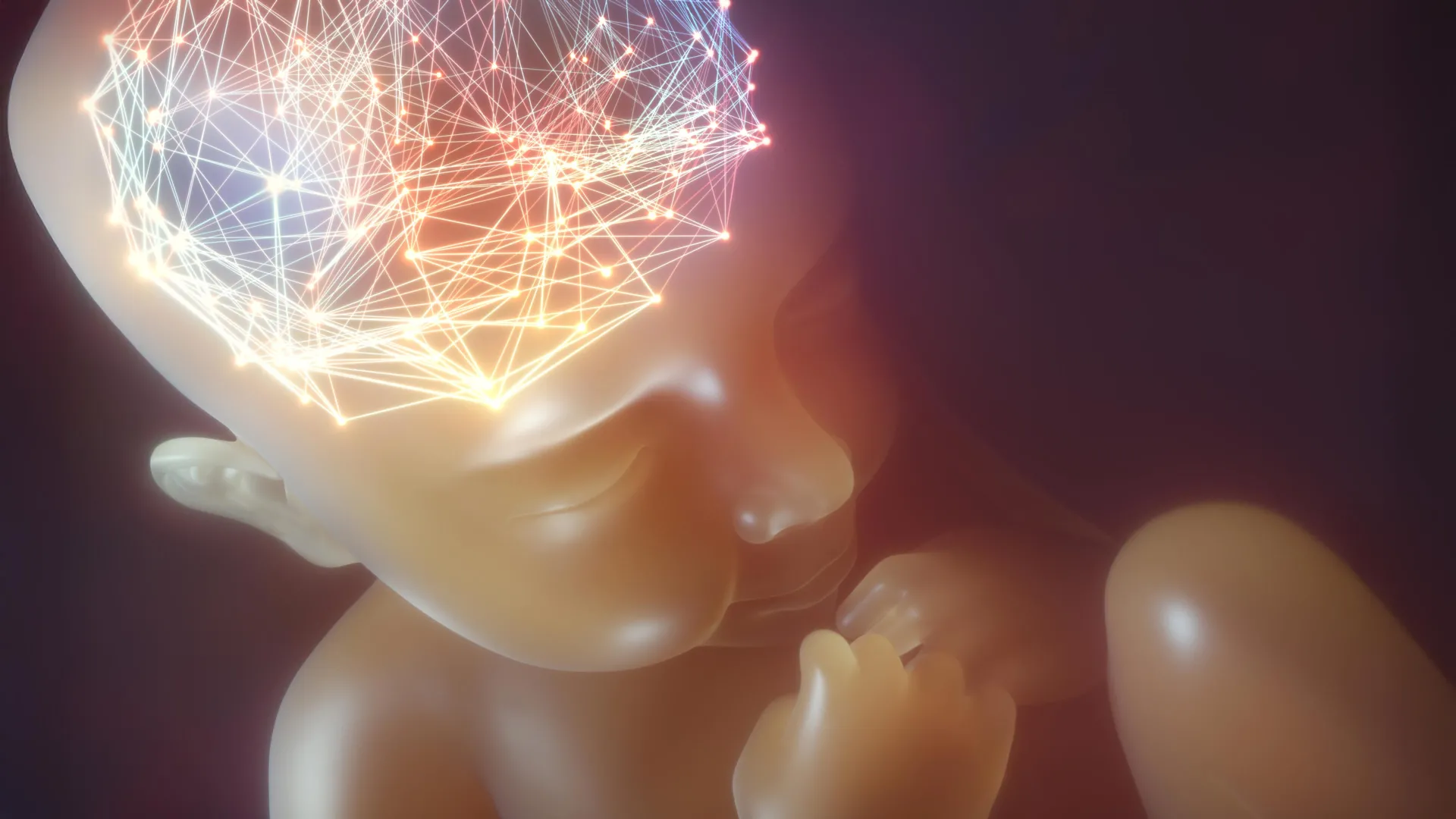
- Key Finding: Prenatal epigenetic changes influence gut microbiota development, and specific bacterial compositions can reduce neurodevelopmental disorder risk. When researchers transplanted microbiota from different primate species into mice, the animals' brains changed accordingly.
- Significance: Newborn microbiota composition may influence brain health throughout life, paving the way for early intervention strategies.
Gut-Brain Circuit Resets Appetite Signals During Protein Deficiency
- Research Team: Major neuroscience institutions
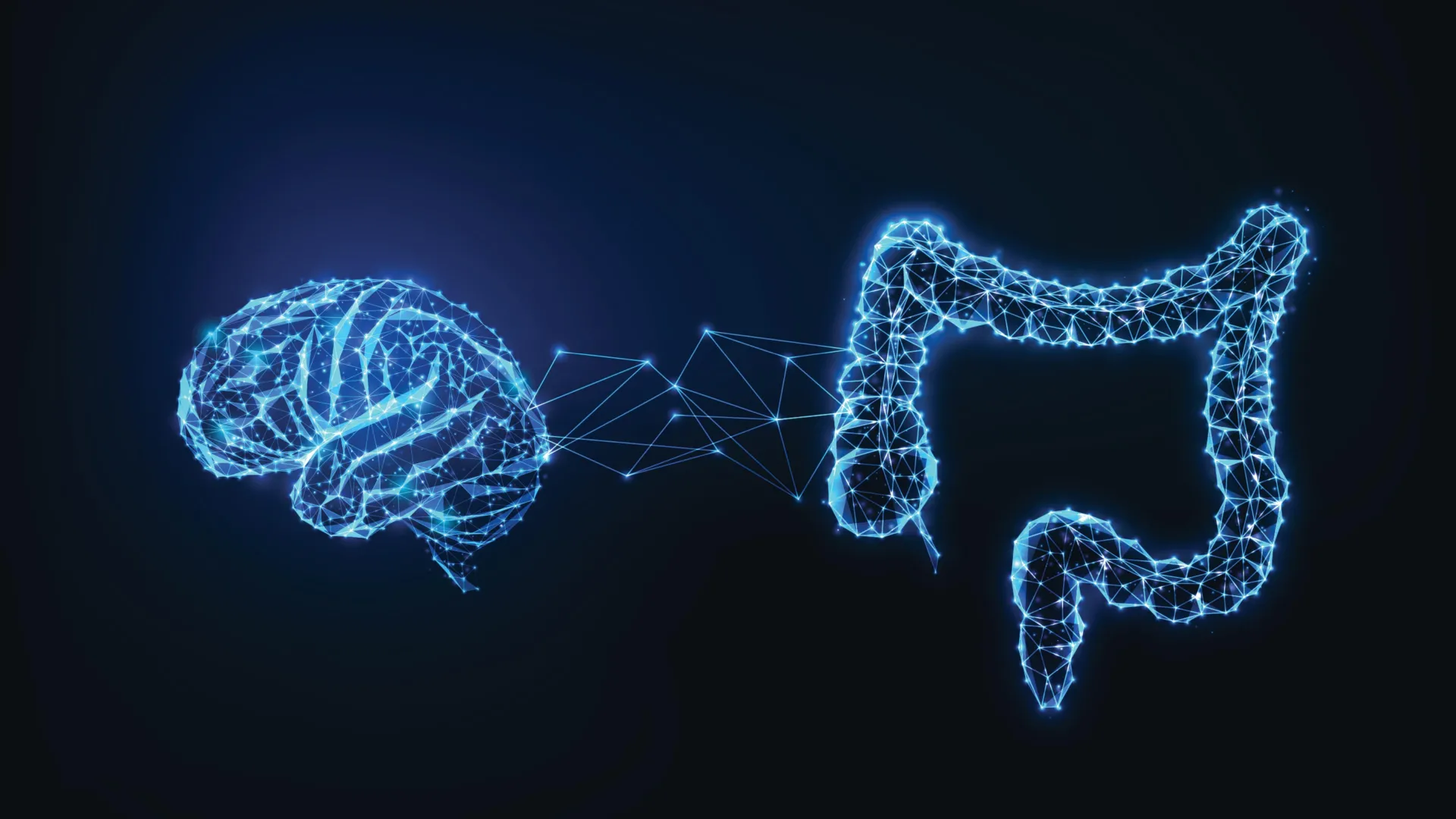
- Key Finding: When the body lacks protein, the gut sends powerful signals to the brain, reconfiguring appetite and nutrient-seeking behavior. Newly identified gut-brain networks mediate signal conversion from glucose-seeking to essential amino acid-seeking.
- Significance: Could revolutionize understanding of appetite, nutrition, and obesity, providing biological basis for instinctive food choices during nutritional deficit states.
Intermittent Fasting Simultaneously Rewires Brain and Gut
- Research Team: Nutritional neuroscience research institutions
- Key Finding: Intermittent fasting goes beyond weight loss, simultaneously altering gut bacterial composition and the structure of appetite signal circuits in the brain.
- Significance: Clarifies brain-level mechanisms of intermittent fasting, providing scientific foundation for previous diet failures to succeed.

💊 Clinical Trials & Therapeutic Trends
-
Mount Sinai Engineered Bacteria Therapeutic: Mount Sinai School of Medicine researchers developed a manufacturing platform for customized gut bacterial mixtures to treat recurrent Clostridioides difficile infections. This could serve as a standardized, scalable alternative to fecal microbiota transplantation (FMT).
-
Precision Psychobiotic Development: According to U.S. and European clinical trial data reviews, specific bacterial strains show positive effects on anxiety and related psychological symptoms. Future research emphasizes precise strain identification, dosage, and explicit mechanism of action.
🏢 Industry & Business
-
Gutgutgoose Enters Y Combinator: Australian biotech startup Gutgutgoose was selected for Silicon Valley's Y Combinator and secured $500,000 (approximately ₩790 million) to accelerate development of an AI-powered gut microbiota analysis platform.
-
Gut Microbiota as New Cancer Treatment Pathway: Leading medical institutions are clarifying how gut microbiota influences immune systems and cancer treatment response. This suggests microbiome transplantation may emerge as a next-generation cancer therapy strategy.
🧠 Deep Dive: Prenatal Microbial Programming and Neurodevelopmental Disorder Prevention
Cutting-edge research presents a groundbreaking discovery: newborn gut microbiota composition can be programmed by prenatal epigenetic marks, and this initial microbial setup influences lifelong brain development. This process is not random—prenatal gene expression patterns selectively shape the gut environment, promoting or inhibiting specific bacterial species growth.
Autism and ADHD are complex neurodevelopmental disorders, but substantial portions correlate with gut dysbiosis. When researchers transplanted microbiota from different primate species (including those with autism-related traits) into mice, recipient animals' brain development and behavior changed according to donor microbial profiles. This strongly suggests microbiota directly regulate neural development.
The mechanism primarily operates through short-chain fatty acid (SCFA) production, especially butyrate. Butyrate crosses the blood-brain barrier, reduces neuroinflammation, promotes myelination, and enhances neuroplasticity. Additionally, specific bacteria metabolize neurotransmitter precursors (e.g., tryptophan), influencing brain serotonin and GABA levels. Remaining questions: Can microbe-mediated interventions reverse neurodevelopmental disorders after specific critical postnatal periods? When should personalized microbial therapy be introduced for maximum effectiveness?
📋 Action Guide
-
Promote short-chain fatty acid production through diverse dietary fiber: Support beneficial bacteria (Faecalibacterium prausnitzii, Roseburia species) through prebiotic foods like raw garlic, onions, asparagus, and bananas. These bacteria produce butyrate, supporting blood-brain barrier health and neuroinflammation suppression.
-
Respond sensitively to protein deficiency signals: Recent research shows that protein deficiency activates gut-brain circuits, triggering essential amino acid-seeking desires. Prevent excessive activation through regular protein intake (especially mixed plant and animal sources).
-
Harness time-restricted eating benefits: Intermittent fasting (16:8 or 18:6 protocols) goes beyond calorie reduction, restructuring gut microbiota composition favorably and normalizing brain appetite control circuits. Consistent fasting schedules maximize effects.
-
Protect microbial diversity for neurodevelopmental health: Avoid unnecessary antibiotic use and maintain diverse live bacteria through fermented foods (yogurt, kimchi, kombucha, tempeh). Pregnant women and new parents should recognize prenatal and postnatal microbial importance and consult experts.
👀 Points to Watch
-
Early Intervention Strategy Development for Neurodevelopmental Disorder Prevention: The discovery of prenatal and neonatal microbial programming suggests microbe-based prevention clinical trials for high-risk autism and ADHD groups will likely begin in H2 2026.
-
Psychobiotic Precision: Ongoing clinical trials are clarifying exact bacterial strain dosages, administration methods, and response variations based on individual genetic backgrounds, with increased FDA-approved psychobiotic products expected.
-
Microbe-Based Cancer Immunotherapy Enters Clinical Phase: Following mouse model successes, research optimizing gut microbiota composition to improve cancer treatment response will likely advance to human clinical trials.
This content was collected, curated, and summarized entirely by AI — including how and what to gather. It may contain inaccuracies. Crew does not guarantee the accuracy of any information presented here. Always verify facts on your own before acting on them. Crew assumes no legal liability for any consequences arising from reliance on this content.
Powered by
