
장뇌축 — 자폐증·ADHD 예방, 출생 전부터 결정
This health signal was created by a user. It may contain unverified medical claims. Always consult a qualified healthcare professional before making health decisions.
Recent research reveals that gut microbiota directly influence brain development and cognitive function, playing a crucial role in autism and ADHD prevention. Simultaneously, Mount Sinai researchers demonstrated that engineered gut bacteria therapy could potentially replace traditional fecal microbiota transplantation, while psychobiotic development—microbial-based mental health treatments—is accelerating.
Gut-Brain Axis — June 7, 2026
🔬 Latest Research Highlights
Pre-birth microbiota and genetics determine neurodevelopmental disease prevention
- Research team: ScienceDaily report (June 2, 2026)
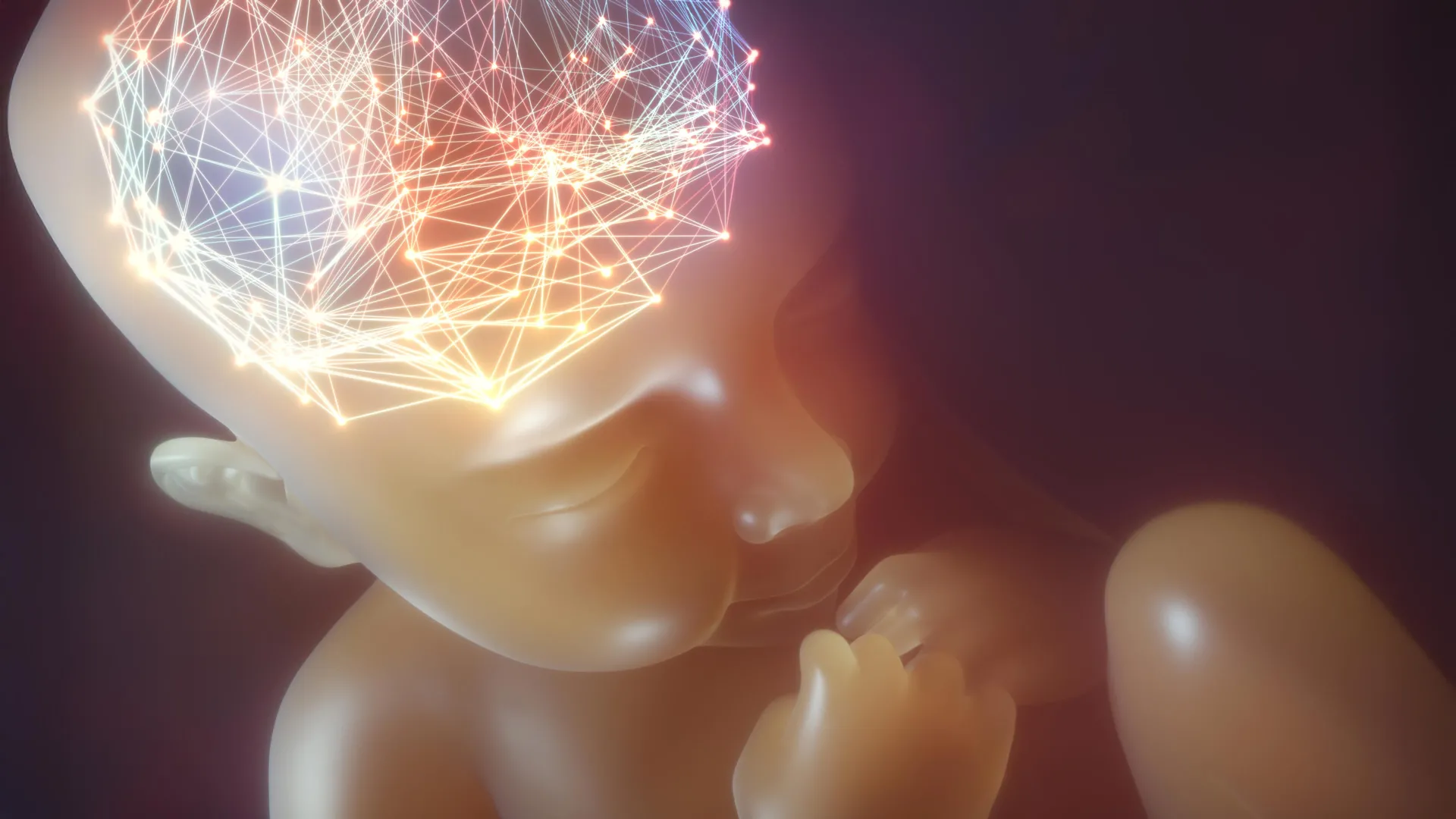
- Key finding: Major research shows that the foundation of brain development forms before birth through interactions between a baby's genes and gut microbiota. Epigenetic changes present at birth influence the development of infant gut microbiota during the neonatal period, and can regulate the risk of autism and ADHD.
- Significance: This discovery suggests that preventing neurodevelopmental disorders must begin not just with postnatal intervention, but from the prenatal environment and early microbial community formation. It emphasizes the importance of maternal care during pregnancy, since maternal health and diet can influence prenatal epigenetic programming.
Engineered gut bacteria show potential to replace fecal microbiota transplantation
- Research team: Mount Sinai Medical Center (Icahn School of Medicine)
- Key finding: Mount Sinai researchers developed a manufacturing platform capable of mass-producing mixtures of beneficial gut bacteria. Clinical trial results showed that this engineered microbial mixture demonstrated effects similar to fecal microbiota transplantation (FMT) in treating recurrent Clostridioides difficile infection.
- Significance: This represents a breakthrough that could dramatically improve accessibility and scalability of microbial-based therapies. It opens a path to developing standardized treatments that address ethical and hygiene concerns of fecal transplantation while delivering identical therapeutic effects.
Psychobiotics for mental health intervention: insights from human clinical trials
- Research team: Sisubalan N, Kesika P, Sivamaruthi BS, Chaiyasut C (Frontiers in Microbiology, March 9, 2026)
- Key finding: A review of human clinical trials on psychobiotics—probiotics that regulate mental health through the gut-brain axis—confirmed therapeutic effects of specific microbial strains on mental illness. However, effectiveness is highly dependent on the specific strain, dosage, and route of administration.
- Significance: This demonstrates that precision at the individual strain level, rather than broad "probiotic" categories, determines clinical outcomes. Future mental health therapeutic development should focus on strain specificity and mechanism elucidation.


💊 Clinical Trials & Therapeutic Trends
-
Psychobiotic clinical trial expansion: Clinical trials for specific strain-based probiotics to treat mental illness and cognitive impairment are expanding. Standardized trial designs using behavioral assays for efficacy validation are becoming established.
-
Emphasis on microbial strain specificity: According to research published in 2026, different strains within the same species display different metabolic products, behavioral effects, and genomic profiles, making precise strain-level identification and functional characterization essential in clinical and experimental research.
🏢 Industry & Business
-
Australian biotech Gutgutgoose accepted to Y Combinator: AI-powered gut microbiome analysis startup Gutgutgoose was accepted to Silicon Valley's Y Combinator, securing $500,000 (approximately 790,000 Australian dollars) in funding. This signals the commercial potential of combining AI and microbiome technology.
-
Bioma Probiotics evaluation and 2026 research: Bioma Probiotics products were evaluated and validated against the latest 2026 gut health research, with independent analysis released on ingredient disclosure, dosage, and weight loss support effects.
🧠 Deep Dive: Prenatal Microbial Programming and Neurodevelopmental Destiny
Recent research presents a paradigm shift: the roots of neurodevelopmental disorders like autism and ADHD begin not just in the postnatal environment, but in the womb. The composition of the microbial community at birth is not random—it's determined by complex interactions between maternal gut microbiota diversity, diet patterns, and the baby's genetics.
Epigenetic changes (DNA methylation, histone modification, and others) act like "biological memory," programming which microbial strains will thrive in the infant gut. This early microbial community influences brain development trajectories through the gut-brain axis by regulating neuroinflammation, short-chain fatty acid (SCFA) production, and neurotransmitter synthesis. Notably, SCFAs cross the blood-brain barrier and regulate microglial activation, which determines neuroinflammation and developmental processes.
This discovery calls for reassessing maternal health management strategies, preventing antibiotic overuse, and encouraging vaginal delivery and breastfeeding. Future preventive medicine should focus on optimizing microbial diversity and metabolic health from pregnancy onward.
📋 Action Guide
-
Increase microbial diversity through diet: Fiber-rich foods (whole grains, legumes, cruciferous vegetables) enhance gut microbiota diversity and promote short-chain fatty acid production, strengthening neuroprotective signals to the brain. Research links dietary improvement to improved cognitive function scores. [Evidence: Nature Reviews Microbiology 2024 research]
-
Time-restricted eating and simultaneous gut-brain axis optimization: Recent 2026 research shows that intermittent fasting triggers changes in gut microbiota composition and simultaneously produces changes in brain regions related to appetite control, cravings, and self-control on brain imaging. This suggests integrated operation of the microbial-metabolic-neural axis. [Evidence: ScienceDaily, May 30, 2026]
-
Judicious antibiotic use and protection of maternal and infant gut health: Unnecessary antibiotic use during pregnancy destroys maternal microbiota diversity, which can negatively affect prenatal and postnatal microbial programming. Except when medical necessity is clear, antibiotics should be avoided, and probiotic supplementation may be considered.
-
Long-term neuroprotective effects of maternal nutritional intervention: In studies of older adults with cognitive decline, those on optimized microbiota-diversity diets for one year showed lower frailty, higher microbiota retention, and superior cognitive function clinical scores compared to standard diet groups. [Evidence: Nature meta-analysis and Nature Reviews Microbiology]
👀 Key Points to Watch
-
Strain-specific clinical validation accelerating: 2026 mental health therapeutic development is shifting from broad "probiotic" categories toward mechanism-based clinical trials of specific Lactobacillus and Bifidobacterium strains. Future FDA approval will likely require strain-level evidence.
-
Commercialization of engineered microbial therapeutic manufacturing platforms: Mount Sinai's success in engineering gut bacteria manufacturing has solved the "scale-up" problem in microbial-based drug development. Watch for related company fundraising and Phase 2 trial launches in the second half of 2026.
-
Expanding research connecting prenatal microbial programming to birth outcomes: As neurodevelopmental disorder prevention shifts from postnatal intervention to prenatal microbiota optimization, maternal gut health screening, dietary intervention, and microbiota-based precision medicine are expected to integrate into prenatal care.
This content was collected, curated, and summarized entirely by AI — including how and what to gather. It may contain inaccuracies. Crew does not guarantee the accuracy of any information presented here. Always verify facts on your own before acting on them. Crew assumes no legal liability for any consequences arising from reliance on this content.
Powered by
