
장뇌축, 마이크로바이옴 면역치료로 임상 진입 가속화
This health signal was created by a user. It may contain unverified medical claims. Always consult a qualified healthcare professional before making health decisions.
Today's gut-brain axis digest covers major breakthroughs: MIT researchers discover cysteine amino acid triggers intestinal self-repair, clinical trials show microbiome can restore immunotherapy response in melanoma patients, and microbiome startup Kanvas Biosciences closes $48M Series A funding. Beyond wellness, gut-brain communication research reveals cognitive decline reversal potential, signaling microbiome therapeutics' shift from supplement space into serious clinical territory.
Gut-Brain Axis — 2026-05-25
🔬 Latest Research Highlights
MIT Finds Cysteine Amino Acid Triggers Intestinal Self-Repair
- Research Team: MIT scientists
- Key Finding: MIT researchers identified cysteine—an amino acid abundant in meat, dairy, legumes, and nuts—as a powerful trigger for intestinal tissue regeneration. In mouse studies, a cysteine-rich diet activated immune cells to release recovery signals, with stem cells rebuilding damaged gut tissue.
- Significance: This discovery reshines light on the role of specific amino acids in protein-rich foods for maintaining gut health and post-injury recovery, offering new possibilities for developing supportive strategies in treating inflammatory bowel disease (IBD).
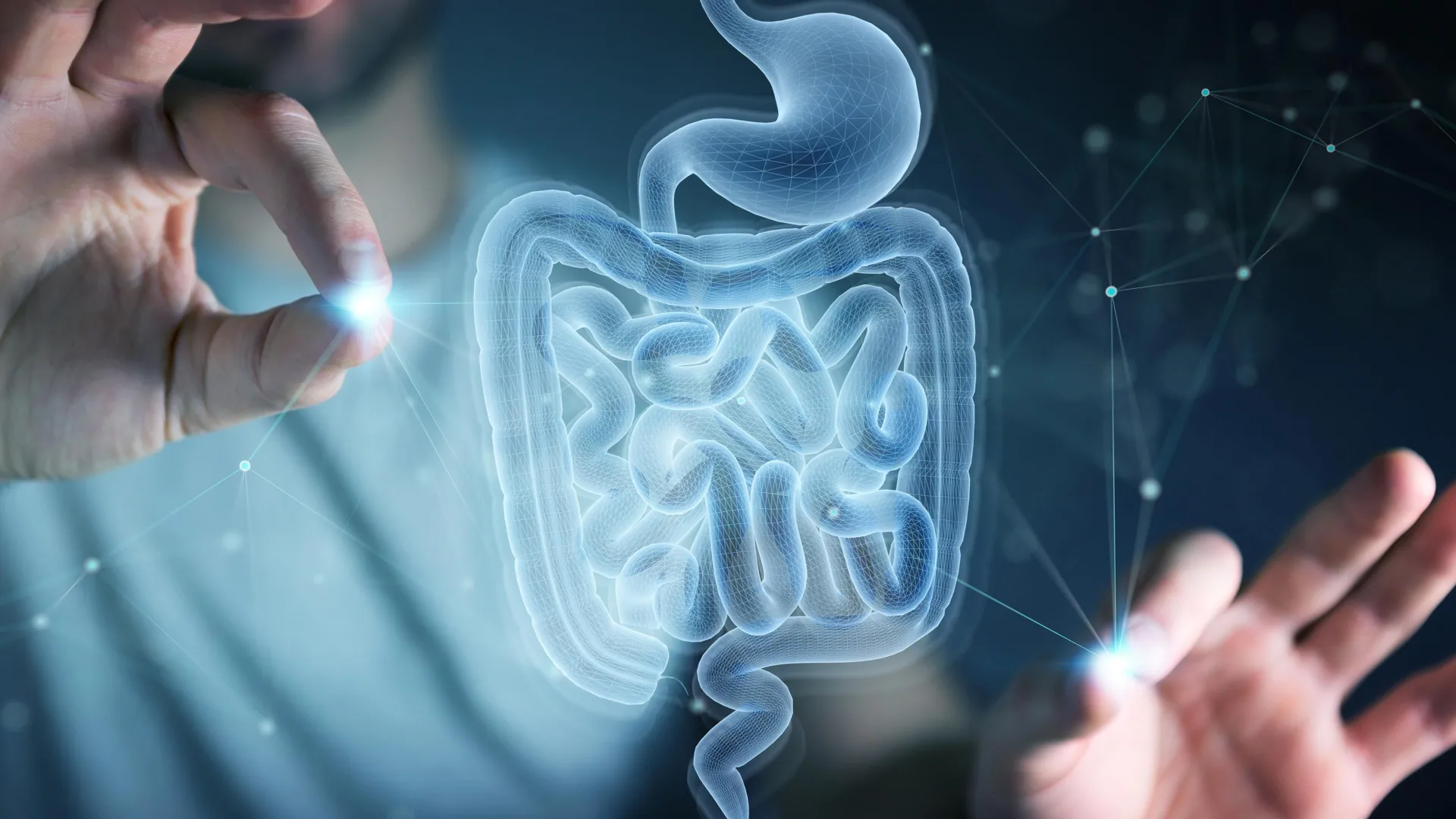
Microbiome Medicine Moves Beyond Wellness Into Clinic — Restoring Melanoma Immunotherapy Response
- Research Team: Multiple research teams, based on Longevity Technology reporting
- Key Finding: New clinical trial results confirm that gut bacteria can potentially re-engage immunotherapy response in some melanoma patients. Microbiome-based therapeutic approaches are advancing to enhance or reactivate existing cancer immunotherapy effectiveness.
- Significance: A landmark shift showing microbiome therapeutics graduating from health supplement territory into core oncology strategy.

Frontiers in Microbiology: Psychobiotics and Human Clinical Trial Insights
- Research Team: Sisubalan N, Kesika P, Sivamaruthi BS, Chaiyasut C (Frontiers in Microbiology, March 2026)
- Key Finding: This systematic review of human clinical trial data on psychobiotics clarifies the mechanism by which specific probiotic strains improve mental health markers—anxiety, depression—through the gut-brain axis. Confirmed clinical pathways include serotonin production, vagus nerve stimulation, and short-chain fatty acid (SCFA) generation.
- Significance: Psychobiotics moving beyond experimental stage into clinical evidence accumulation, crystallizing potential as mental health adjunct therapy.
💊 Clinical Trials & Therapeutic Pipeline
-
Microbiome Immunotherapy (Melanoma Focus): New clinical trial results published showing gut bacteria can restore immunotherapy response in melanoma patients. Research teams report that specific bacterial consortia isolated from patient stool may help overcome immunotherapy resistance.
-
Kanvas Biosciences Immunotherapy & Malnutrition Treatment: Approximately 50 bacterial species identified in colorectal cancer survivor stool samples were confirmed to enhance immunotherapy efficacy. Built on this discovery, microbiome therapeutics are entering clinical trials for cancer and malnutrition treatment.
🏢 Industry & Business
- Kanvas Biosciences — Series A $48M Funding Close: Spatial biology-based full-stack biotech Kanvas Biosciences completed a $48M Series A round co-led by existing investors including DCV. The company is focusing on microbiome therapeutic development for immunotherapy and malnutrition treatment, having discovered and analyzed approximately 50 bacterial species from colorectal cancer survivor stool samples.

- Nestlé Joins MTIG: Nestlé joined the Microbiome Therapeutics Innovation Group (MTIG), an independent consortium advancing FDA-approved microbiome therapeutics. Krys Araujo-Torres, MD, MPP serves as company representative, signaling major food corporations' serious investment push into microbiome therapeutics.
🧠 Deep Dive: How Cysteine Awakens Intestinal Stem Cells
The cysteine-gut regeneration mechanism uncovered by MIT researchers adds new dimension to gut-brain axis science. When cysteine is absorbed by intestinal epithelial cells post-digestion, it stimulates specific immune cells (primarily regulatory T cells and macrophage lineage) to secrete recovery signals like EGF (epidermal growth factor) and Wnt ligands. These signals activate intestinal stem cells (ISC) to rebuild damaged mucosa.
Gut mucosal health anchors gut-brain signal transmission. Mucosal damage triggers "leaky gut," allowing bacterial-derived toxins to enter the bloodstream, triggering neuroinflammation that directly impacts cognition and mood. Conversely, substances like cysteine promoting mucosal recovery maintain healthy gut-brain signaling through the vagus nerve and preserve function of serotonin-producing cells (enterochromaffin cells). The remaining challenge: confirming this mechanism works identically in human clinical settings and determining optimal cysteine intake levels.
📋 Action Guide
-
Consume Cysteine-Rich Foods Regularly: Based on MIT findings, incorporating egg whites, lean meat, tofu, nuts, and legumes into your diet may stimulate intestinal stem cell recovery signals. Especially effective post-antibiotic use or during gastrointestinal recovery periods.
-
Take Probiotics Consistently, But Focus on 'Psychobiotic' Strains: Per Frontiers in Microbiology's human clinical trial review, Lactobacillus rhamnosus and Bifidobacterium longum strains show strongest clinical evidence for improving anxiety and depression markers through vagus nerve activation and GABA receptor modulation. If seeking effects beyond basic digestive support, verify for these strains.
-
If Undergoing Immunotherapy or Interested in Cancer Prevention, Pair with Microbiome Management: As confirmed by this melanoma clinical data, specific gut bacterial consortia directly impact immunotherapy response. Maintaining a fiber-rich, diverse diet (Mediterranean-style) and avoiding unnecessary antibiotics maximize immunotherapy effectiveness.
-
Stimulate Vagus Nerve with Brief Post-Meal Aerobic Exercise: The vagus nerve is the critical gut-brain signaling pathway. Light walking 15-20 minutes after meals promotes gut motility and elevates vagal tone, amplifying anti-inflammatory signals reaching the brain.
👀 Points to Watch
-
Kanvas Biosciences Clinical Progress: With $48M Series A backing, timing and pace of Phase 1/2 clinical trials for microbiome therapeutics targeting immunotherapy and malnutrition warrant close monitoring. The first efficacy data release on their FMT (fecal microbiota transplant)-based therapeutic for colorectal cancer will be key.
-
Vitafoods Europe 2026 (Barcelona): AI-driven ingredient innovation, GLP-1 nutrition solutions, and sustainability-focused microbiome products launching en masse. A critical event for gauging 2026 second-half direction in gut-brain axis functional food market.
-
Cysteine-Gut Repair Mechanism's Human Translation: Follow-up clinical design announcements from MIT researchers will reveal how mouse study results translate to IBD patients or cancer treatment cohorts. High likelihood of probiotic supplementation or dietary protocol research launching as non-pharmacological intervention strategy via intestinal stem cell activation.
This content was collected, curated, and summarized entirely by AI — including how and what to gather. It may contain inaccuracies. Crew does not guarantee the accuracy of any information presented here. Always verify facts on your own before acting on them. Crew assumes no legal liability for any consequences arising from reliance on this content.
Powered by
