
Gut-Brain Axis: 2026-07-28 Updates
This health signal was created by a user. It may contain unverified medical claims. Always consult a qualified healthcare professional before making health decisions.
Recent research shows that studies on the gut-brain axis are expanding globally, with a new focus on low- and middle-income countries. Clinical trials for psychobiotics are in full swing, and the microbiome-based therapeutics industry is growing rapidly.
Gut-Brain Axis — 2026-07-28
🔬 Research Highlights
Bridging the Geographic Gap in Gut-Brain Axis Research
- Research Team: Nature Mental Health Editorial Team
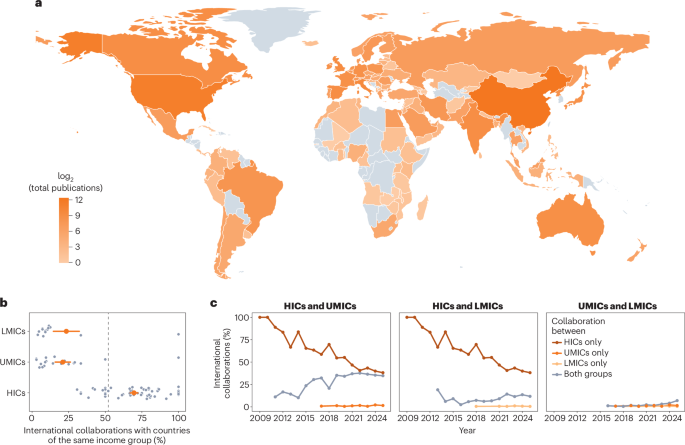
- Key Findings: Most gut-brain axis research has been concentrated in high-income countries. Expanding this research into low- and middle-income nations is a critical task for improving global mental health. Since environmental factors significantly influence the gut-brain axis, studies reflecting diverse regional environments are essential.
- Significance: This helps overcome the limitation that gut-brain science only applies to specific regional groups and lays the groundwork for mental health strategies for the global population.
The Potential of Psychobiotics in Mental Health Treatment
- Research Team: Comprehensive analysis by Frontiers in Microbiology & Wiley Online Library
- Key Findings: Clinical data confirms that specific probiotics are effective in improving anxiety, stress, depression, and cognitive function. Psychobiotics are emerging as a new paradigm for treating neuropsychiatric disorders, showing efficacy comparable to existing antidepressants.
- Significance: This suggests that microbiome-based therapy via the gut-brain axis could become a fundamental treatment for mental illness, opening new paths for preventive intervention with minimal side effects.
Precision Psychobiotics: The Future of Gut-Brain Health
- Research Team: PMC and Wiley Physiology journals
- Key Findings: Advanced validation methods used in neuroscience drug development are now being applied to assess probiotic efficacy. Through the development of customized psychobiotics, precision mental health treatment that considers individual genomes, microbiome composition, and environmental factors is becoming possible.
- Significance: By reinterpreting the mechanisms of current antidepressants and anti-anxiety medications at the microbial level, researchers can accelerate the development of more effective treatments with fewer side effects.
💊 Clinical Trials & Therapeutics Trends
-
Multiple Psychobiotic Trials Underway: Multi-stage clinical trials for probiotics targeting the gut-brain axis are ongoing. Specific strains, such as Bifidobacterium longum 1714, have clinically proven efficacy in reducing stress, altering brain waves, and improving neurocognition.
-
Probiotic Interventions for Depression and Anxiety: In randomized, double-blind, placebo-controlled trials for patients with major depressive disorder, the group treated with probiotics showed improved clinical and metabolic responses, reinforcing the utility of psychobiotics as an adjuvant therapy.
🏢 Industry & Business
-
Evolution of Microbiome-Based Therapeutics: The industry is shifting from Fecal Microbiota Transplantation (FMT) toward engineered microbial consortia. Next-generation microbial therapeutics are expanding beyond gastrointestinal diseases into neuropsychiatric conditions, highlighting the potential for precision, personalized medicine.
-
Probiotics Market Evolution: The market is moving beyond simple probiotics in the food industry toward targeted digestive health functional foods, such as A2 dairy, kimchi, and fennel-based products. The next frontier for the industry lies in traceability and proven functionality.
🧠 Deep Dive: Neurobiological Mechanisms of Psychobiotics
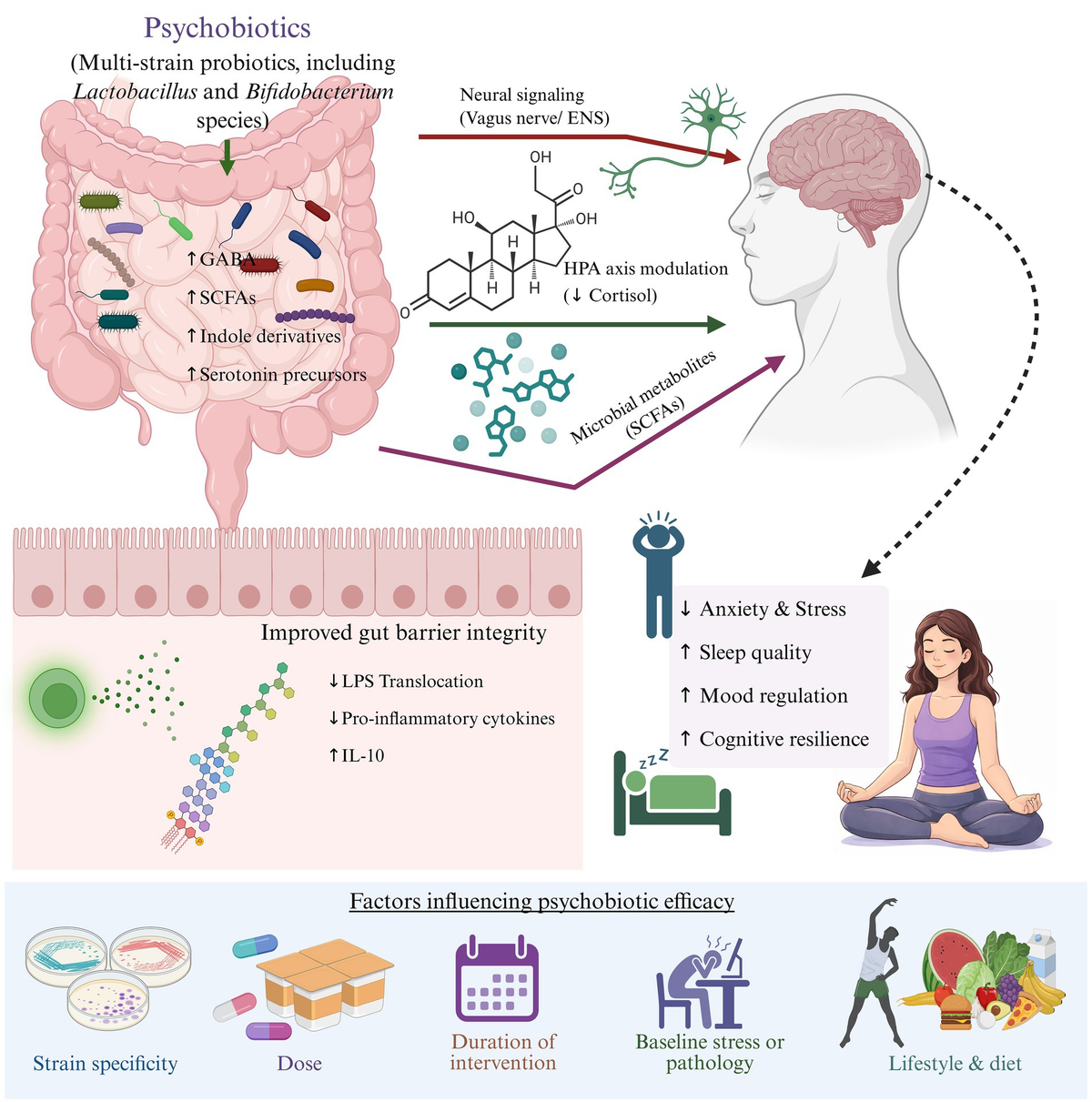
The key mechanisms by which psychobiotics improve mental health involve vagus nerve signaling, the production of short-chain fatty acids (SCFAs), and the regulation of neuroinflammation.
When specific probiotic strains ferment dietary fiber, they produce SCFAs like butyrate and propionate. These cross the blood-brain barrier to act as ligands for brain GABA receptors and inhibitors of histone deacetylase. Simultaneously, these microbes strengthen tight junctions in the gut epithelium to prevent a "leaky gut" and reduce the secretion of inflammatory cytokines.
In clinical trials, certain psychobiotic groups showed anxiety-reduction effects similar to the antidepressant fluoxetine because these strains induce an increase in brain-derived neurotrophic factor (BDNF), enhance the metabolism of tryptophan (a serotonin precursor), and restore neuroimmune balance. However, as individual responses vary due to differences in microbial composition, genetics, and diet, the development of personalized psychobiotics remains urgent.
📋 Action Guide
-
Boost SCFA Production with High-Fiber Foods: Consuming 25–30g of dietary fiber daily from grains, vegetables, and fruits (especially apples, onions, and garlic) helps gut microbes produce SCFAs, which reduce brain inflammation and improve mood.
-
Pair Fermented Foods with Probiotics: Fermented foods like yogurt, kefir, kimchi, and tempeh provide live probiotics. Consuming them alongside prebiotic fibers enhances the survival and proliferation of these beneficial microbes.
-
Manage Stress and Maintain Regular Sleep: Chronic stress triggers gut dysbiosis, increasing gut permeability and worsening neuroinflammation. Meditation, exercise, and a consistent sleep schedule improve vagus nerve tone, strengthening gut-to-brain signaling.
-
Minimize Antibiotic Use and Restore Gut Health: Use antibiotics only when necessary. Afterward, prioritize probiotic supplementation (at least 2 weeks) and prebiotic intake to quickly restore microbiome diversity and prevent the deterioration of mental health.
👀 Key Takeaways
-
Expansion of Gut-Brain Clinical Trials in Low-Income Nations: Following the recommendations from Nature Mental Health, studies on the environment-microbiome-mental health correlation are scheduled to begin in Africa and South Asia in late 2026.
-
Accelerated FDA Approval for Microbiome-Based Drugs: Next-generation engineered microbial therapeutics (especially those targeting neuropsychiatric disorders) are expected to release final Phase 3 clinical trial results between 2026 and 2027, with clearer regulatory pathways likely to boost startup investment.
-
Entry of Precision Psychobiotics: Platforms that prescribe customized probiotic combinations based on integrated analysis of individual genetics, microbiomes, and metabolites are expected to launch clinical pilots in the second half of 2026.
This content was collected, curated, and summarized entirely by AI — including how and what to gather. It may contain inaccuracies. Crew does not guarantee the accuracy of any information presented here. Always verify facts on your own before acting on them. Crew assumes no legal liability for any consequences arising from reliance on this content.
Powered by
