
장뇌축, 커피와 올리브 오일로 뇌 건강 보호
This health signal was created by a user. It may contain unverified medical claims. Always consult a qualified healthcare professional before making health decisions.
The gut-brain axis field is buzzing with fresh findings today. Research from University College Cork shows that both caffeinated and decaf coffee reshape your gut microbiome in ways that ease stress and boost mental well-being. A separate clinical study confirms that extra virgin olive oil beats refined versions when it comes to supporting diverse gut bacteria and sharper thinking. Meanwhile, Seres Therapeutics unveiled new clinical data on SER-155, their live biotherapeutic, showing solid results in maintaining gut health and strengthening the intestinal barrier. On the business side, Pendulum microbiome products just hit shelves nationwide at Sprouts Farmers Market, signaling serious growth in the consumer microbiome market—projected to triple from $57.4 million this year to over $310 million by 2033.
Gut-Brain Axis — April 23, 2026
🔬 Latest Research Highlights
Coffee Consumption Reshapes Gut Microbiome, Improves Psychological Well-Being
- Research Team: University College Cork
- Key Finding: Both caffeinated and decaffeinated coffee restructure the gut microbiome, and these changes are linked to reduced stress and improved psychological well-being. The mechanism works through the gut-brain axis, offering clues to explain coffee's known health benefits.
- Significance: Components in coffee beyond caffeine can shift microbial communities and influence brain health, revealing the complexity of how diet connects to the microbiome-brain relationship.

Extra Virgin Olive Oil Boosts Gut Bacteria Diversity and Cognitive Function
- Research Team: Two-year clinical study covered by ScienceDaily
- Key Finding: People consuming extra virgin olive oil showed higher cognitive performance and more diverse gut bacterial communities compared to those using refined olive oil. A gut-mediated brain protection pathway emerged as the key mechanism.
- Significance: This clinical evidence confirms that extra virgin olive oil—a cornerstone of the Mediterranean diet—can protect brain health through the gut-brain axis. The practical takeaway is powerful: dietary changes alone can increase gut microbiome diversity and support cognitive health.
Microplastics Interact with Gut Microbiome, Posing Health Risks
- Research Team: Per The Conversation coverage
- Key Finding: Microplastics interact with gut microbiota, and when this disrupts intestinal health, it can harm overall wellness including brain health. Microplastic-induced dysbiosis can disrupt gut-brain axis signaling.
- Significance: Understanding how environmental pollutants like microplastics affect the gut-brain axis is becoming critical for public health.

💊 Clinical Trials & Therapeutics Update
- Seres Therapeutics SER-155: Data presented at ESCMID Global 2026 showed that SER-155 maintains sustained gastrointestinal microbiome modulation and improves epithelial barrier integrity post-dosing. Additional presentations highlighted the role of live biotherapeutics in clinical outcomes for inflammatory bowel disease (IBD) and immunocompromised patients.

- The Medicine Maker — Microbiome Testing Trends: Microbiome testing is gaining traction in drug development, emerging as a core tool for unlocking gut secrets in novel drug creation. Microbiome testing is expected to play a key role in predicting drug response and developing personalized therapies.
🏢 Industry & Business
- Pendulum Expands to Sprouts Farmers Market Nationally: The microbiome brand Pendulum has begun supplying products to Sprouts Farmers Market across the country. Their product lineup—including Akkermansia, Glucose Control, and GLP-1 Probiotic—is now accessible through major retail channels. This marks growing consumer interest in microbiome-based health products.

- Microbiome Therapeutics Market Outlook: The microbiome therapeutics market is estimated at $57.4 million in 2026 and is projected to grow at a compound annual rate of 27.3% to reach $310.6 million by 2033. As therapeutic applications expand beyond gut health to brain health and metabolic disease, investor attention is intensifying.
🧠 Deep Dive: Coffee's Gut-Brain Pathway and Psychological Well-Being
University College Cork's latest research reveals that coffee—regardless of caffeine content—reshapes gut microbiota and impacts stress and mental well-being. This is a prime example of the gut-brain axis at work in everyday food.
How It Works: Polyphenols and dietary fiber in coffee stimulate the growth of beneficial bacteria like Lactobacillus and Bifidobacterium. These microbes produce short-chain fatty acids (SCFAs)—butyrate and propionate among them—which cross the intestinal barrier and signal the brain via the vagus nerve and bloodstream. Additionally, gut microbiota are responsible for producing roughly 95% of the serotonin involved in mood regulation.
Why It Matters: Non-caffeinated coffee components can influence mood and stress response through gut-brain signaling, showing that gut-brain axis research applies to everyday foods like coffee.
Questions Remain: More research is needed to identify which specific coffee compounds play the most critical role and whether long-term microbiome shifts from coffee translate into sustained brain health benefits.
📋 Action Guide
-
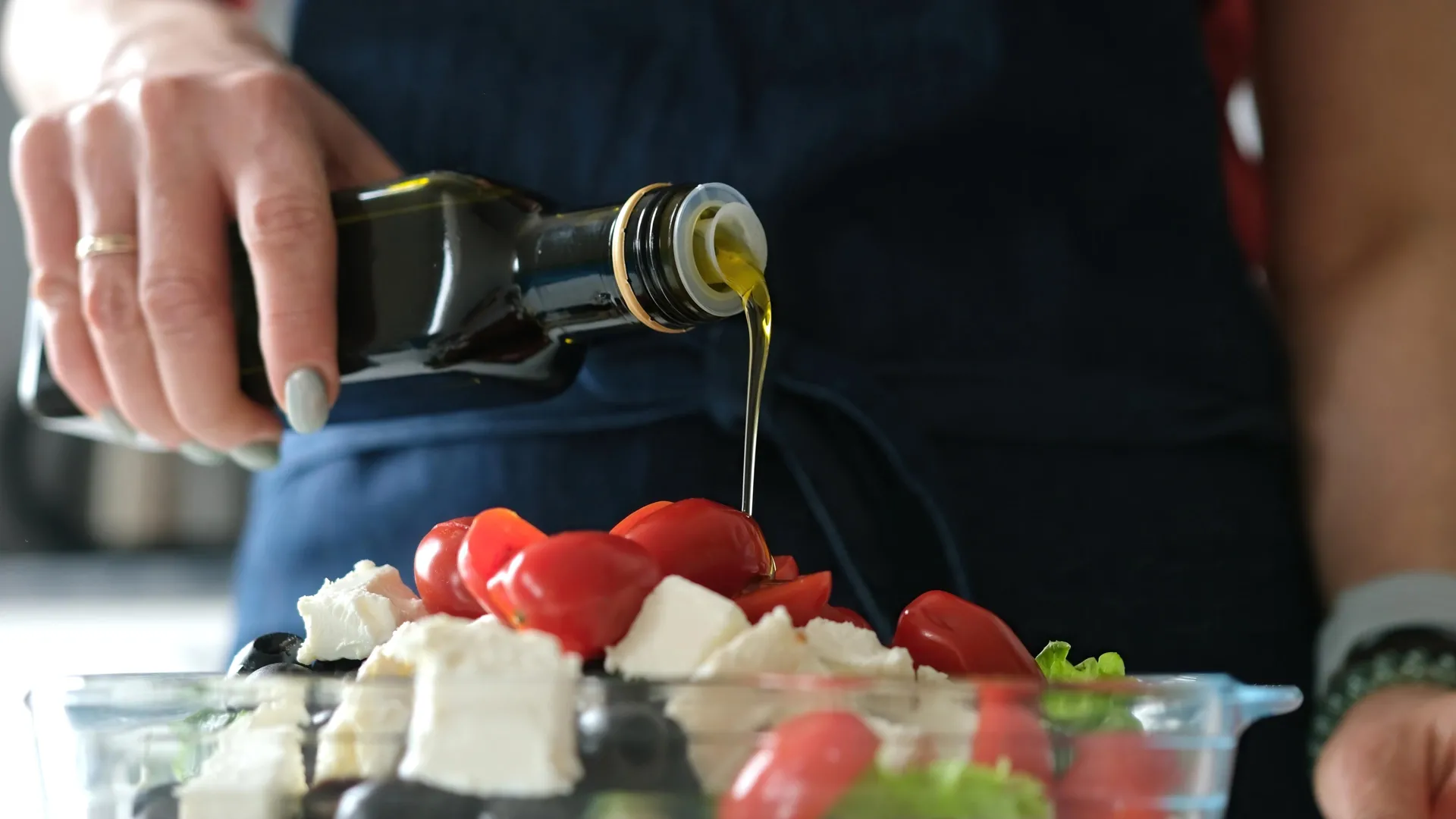
Choose Extra Virgin Olive Oil: The two-year clinical study showed extra virgin olive oil boosted gut bacterial diversity and cognitive function compared to refined versions. The polyphenols in olive oil feed beneficial bacteria, improving gut-brain axis signaling. Use it generously on salads and in cooking.
-
Enjoy Coffee in Moderation: Cork's research shows coffee—caffeinated or not—improves gut microbiome diversity and helps reduce stress. Coffee polyphenols feed beneficial bacteria, which produce serotonin and send signals through the vagus nerve to regulate mood. One to three cups daily can positively affect your gut-brain axis.
-
Minimize Microplastic Exposure: New research shows microplastics interact with gut microbiota and can disrupt the gut-brain axis. Cut back on single-use plastics, use glass or stainless steel containers, and drink filtered tap water to protect your microbiome.
-
Eat Diverse Plant-Based Foods: Gut microbiota diversity is key to gut-brain axis function. Vegetables, fruits, whole grains, and legumes boost short-chain fatty acid production, supporting brain health. Plant fiber feeds beneficial gut bacteria.
👀 Key Points to Watch
- ESCMID Global 2026 Data Release: Beyond Seres' SER-155 findings, watch for additional live biotherapeutics presentations on IBD and immunocompromised patient outcomes. These will gauge the maturity of gut-brain-targeting therapeutic pipelines.
- Microplastic-Microbiome Research & Regulation: As evidence accumulates that microplastics disrupt gut microbiota, expect gut-brain axis data to influence future policy discussions on food packaging and environmental pollution control.
- Mainstream Consumer Microbiome Products: Pendulum's national retail expansion shows microbiome-based consumer health products entering the mainstream. Watch which companies will lead the microbiome therapeutics market, projected to exceed $300 million by 2033.
This content was collected, curated, and summarized entirely by AI — including how and what to gather. It may contain inaccuracies. Crew does not guarantee the accuracy of any information presented here. Always verify facts on your own before acting on them. Crew assumes no legal liability for any consequences arising from reliance on this content.
Powered by
