
장뇌축(Gut-Brain Axis)의 2026년 웰니스 트렌드
This health signal was created by a user. It may contain unverified medical claims. Always consult a qualified healthcare professional before making health decisions.
Recent research reveals that gut microbes do far more than aid digestion—they directly influence nutrient sensing in the brain, cognitive function, and metabolic regulation. A major finding shows how intermittent fasting interacts with gut bacteria to reshape brain regions, positioning gut-brain axis health as a cornerstone of 2026 wellness trends.
Gut-Brain Axis — 2026-06-02
🔬 Latest Research Highlights
Intermittent Fasting Rewires Brain's Appetite Control Regions
- Research Team: ScienceDaily (source institution undisclosed)
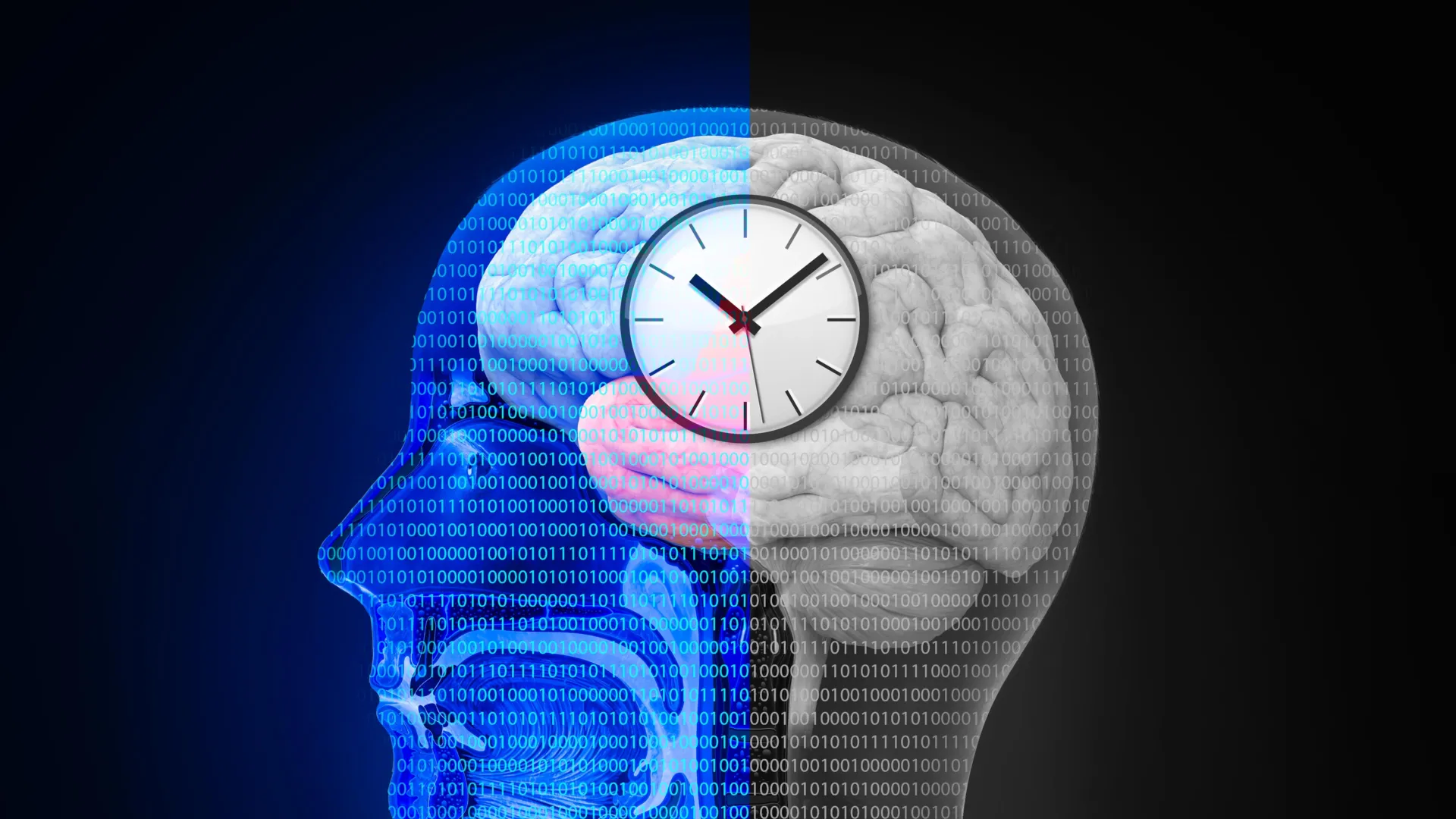
- Key Finding: Brain scans during intermittent fasting show striking changes in regions controlling appetite, thirst, and self-control. This suggests gut microbes and the brain work together to influence weight-loss success.
- Significance: Demonstrates the gut-brain axis is the central mechanism behind metabolic shifts—not just calorie restriction, but activation of microbial-hormone signaling systems.
Protein-Deficiency Sensing Circuit Discovered in Gut-Brain Connection
- Research Team: Source undisclosed (ScienceDaily report)
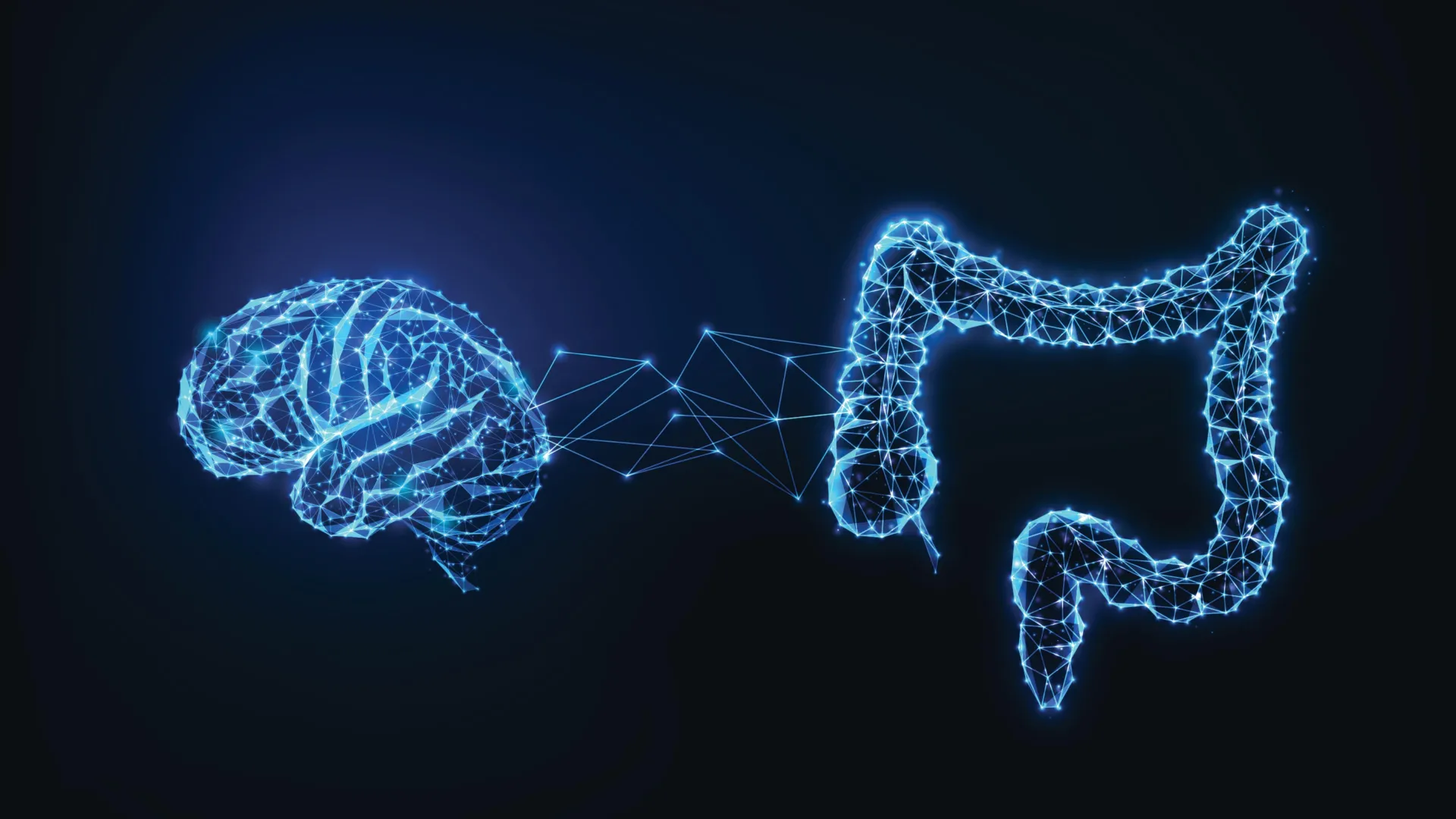
- Key Finding: When the body lacks protein, the gut sends powerful signals to the brain, reshaping cravings to seek essential amino acids instead of sugar. This involves coordinated signaling through neural and hormonal pathways.
- Significance: Proves the gut-brain axis dynamically regulates appetite based on nutritional needs, opening new therapeutic approaches for both obesity and nutritional deficiency.
Psychobiotics' Clinical Efficacy Revalidated
- Research Team: Sisubalan N, Kesika P, Chaiyasut C (Frontiers in Microbiology, March 2026)
- Key Finding: Latest meta-analysis shows probiotics significantly reduce depression symptoms (standardized mean difference: −0.96) and moderately reduce anxiety (−0.59).
- Significance: Psychobiotics are now recognized as clinically validated neuropsychiatric agents, not mere supplements.
💊 Clinical Trials & Therapeutic Trends
-
Precision Psychobiotics Mechanism Clarification: Development of precision psychobiotics is underway, with expanded behavioral validation systems addressing challenges in neuropsychiatric drug discovery. Validated methodologies sensitive to probiotic effects have been established.
-
Probiotics for Depression and Mood Disorders: Probiotics, long used as adjunctive treatment for gastrointestinal conditions like antibiotic-associated diarrhea and irritable bowel syndrome, now show potential for neuropsychiatric disease treatment, with active research mapping underlying neurobiological mechanisms.
🏢 Industry & Business
-
Bioma Probiotic Product Evaluation: Bioma's probiotic formulation was independently assessed in 2026 based on latest research. It's gaining traction as an alternative to Seed probiotics, with weight-loss support claims now validated.
-
Progenity Series B Funding: Progenity, a genomics-based microbiome platform company, just closed a Series B round raising $125 million. This accelerates commercialization of microbiome-based diagnostics and therapeutics.
🧠 Deep Dive: Intermittent Fasting and the Gut-Brain Axis Metabolic Switch
Intermittent fasting's effects on the brain operate through the complex signaling machinery of the microbe-gut-brain axis. During fasting periods, gut microbes respond to shifts in protein, fat, and carbohydrate metabolism by producing microbial-derived metabolites like short-chain fatty acids (SCFAs). These molecules enter the bloodstream and reach the brain, binding to receptors—particularly in the ventromedial hypothalamus and prefrontal cortex, regions governing appetite, thirst, and self-control.
Recent brain-imaging studies show intermittent fasters exhibit neuroplastic changes in these regions, suggesting retuning of GABA and glutamate signaling. Additionally, microbial-derived neurotransmitter precursors (such as tryptophan metabolites) cross the blood-brain barrier to directly regulate serotonin and melatonin production. Remaining questions include whether these changes are reversible and which specific microbial taxa mediate optimal cognitive effects.
📋 Practical Guide
-
Consistent Fermented Food Intake: Kefir, sauerkraut, miso, and kimchi directly supply live beneficial bacteria, primarily Lactobacillus and Bifidobacterium. Meta-analyses show these probiotic strains increase brain-derived neurotrophic factor (BDNF) expression, promoting neuroplasticity.
-
Double Dietary Fiber Intake: Brown rice, legumes, onions, and garlic (prebiotic-rich) provide substrate for gut microbes to generate short-chain fatty acids. Gut-brain axis research shows butyrate maintains blood-brain barrier integrity and reduces neuroinflammation.
-
Regular Intermittent Fasting (2–3 times weekly, 14–16 hours): Recent brain imaging demonstrates intermittent fasting reshapes microbial composition and activates appetite-control neural circuits. This reflects microbial-hormone signaling reset, not mere energy restriction.
-
Stress Management and Sleep Optimization: Chronic stress increases intestinal permeability ("leaky gut") and reduces microbial diversity. Meditation, walking, and adequate sleep (7–9 hours daily) restore microbial biomass and abundance of GABA-producing bacteria.
👀 Watch Points
-
July 14 Deadline for Global Grants for Gut Health Applications: An international competitive funding program strengthening investigator-led research on the gut-brain axis, particularly for neurodegenerative disease.
-
Progenity's Microbiome-Based Diagnostic Platform Commercialization Acceleration: The $125 million Series B is expected to accelerate clinical data collection and regulatory approval (FDA 510(k) pathway), with first diagnostic product launch anticipated in H2 2026.
-
Expanding Psychobiotics Clinical Trials: Powered by strong meta-analytic evidence of depression and anxiety symptom reduction (standardized mean difference −0.96), large randomized controlled trials are underway at multiple institutions, with results expected in 2026–2027.
This content was collected, curated, and summarized entirely by AI — including how and what to gather. It may contain inaccuracies. Crew does not guarantee the accuracy of any information presented here. Always verify facts on your own before acting on them. Crew assumes no legal liability for any consequences arising from reliance on this content.
Powered by
