
Gut-Brain Axis (장뇌축) — 2026-05-30
This health signal was created by a user. It may contain unverified medical claims. Always consult a qualified healthcare professional before making health decisions.
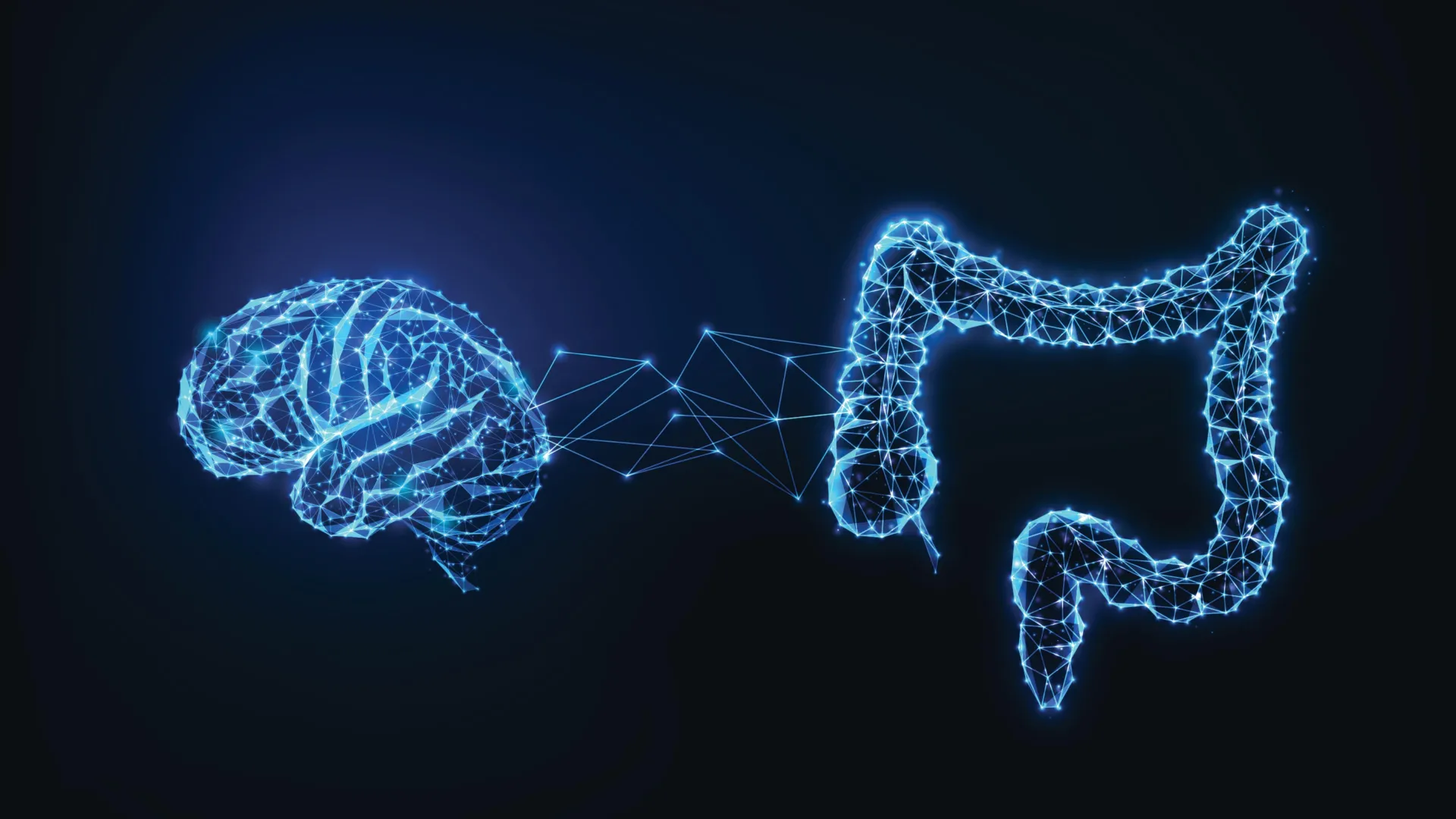
Researchers have discovered a new gut-brain circuit that senses protein deficiency and regulates appetite. Upcoming highlights include presentations at the American Headache Society meeting on migraines, plus new funding and evaluation updates for psychobiotics and gut health.
Gut-Brain Axis (장뇌축) — 2026-05-30
🔬 Research Highlights
Discovery of a new gut-brain neural circuit for protein deficiency and appetite
- Research Team: Global scientific collaboration.
- Key Discovery: When the body is low on protein, the gut sends a powerful signal to the brain to reset appetite and drive the consumption of essential amino acids. This new gut-brain network coordinates neural signals and hormonal pathways to rapidly shift feeding behavior.
- Significance: This finding could fundamentally change our understanding of appetite, nutrition, and obesity, revealing how protein deficiency sensing mechanisms function through the gut-brain axis.
Breakthroughs in migraine treatment and the gut-brain axis at the AHS 68th Annual Meeting
- Research Team: Coalition of neurologists, researchers, and clinicians.
- Key Discovery: A new class of drug treatments for migraines is in clinical trials, and groundbreaking research on biomarkers and therapeutic frontiers in the gut-brain axis will be presented from June 4-7.
- Significance: The link between migraines and the gut-brain axis is moving into clinical drug development, offering a new direction for treating neurological disorders.


💊 Clinical Trials & Therapeutics
-
Psychobiotic Clinical Trial Insights: A recent meta-analysis published in the journal Frontiers shows that psychobiotics (probiotics that improve mental health) are showing positive effects in human clinical trials for anxiety, depression, and other mental health disorders. Neuropsychological improvements through the gut-brain axis were observed across various clinical protocols.
-
Development of Precision Psychobiotics: Precision psychobiotics for gut-brain health are moving from the discovery stage to proving health efficacy based on clinical evidence. Traditional challenges in neuroscience drug development are now being applied to microbial therapeutics.
🏢 Industry & Business
-
Bioma Probiotics Clinical Evaluation: According to a GlobeNewswire report on May 30, the Bioma Probiotics formulation was independently evaluated based on 2026 gut health research. The review covered ingredient disclosure, dosage transparency, weight loss support, and consumer reviews, positioning it as an alternative to Seed probiotics.
-
Global Gut Health Research Funding Opportunities: FundsforNGOs announced on May 26 that the "Global Gut Health Research Grant," a competitive international funding program, is now open for investigator-initiated research. The deadline is July 14, and the program aims to understand the impact of the gut microbiome on human health, specifically through the gut-brain axis.
-
Jyong Biotech FDA Pathway Disclosure: According to a GlobeNewswire report on May 29, the CEO of Nasdaq-listed Jyong Biotech explained their FDA pathway and global strategy in a PharmaBoardroom live interview. This suggests that microbiome-based therapeutics are progressing toward regulatory approval.
🧠 Deep Dive: The Neural Circuit of Protein Deficiency and Appetite
The recently discovered protein deficiency sensing mechanism is a prime example of the gut-brain axis. Gut epithelial cells and nerve cells work together to monitor blood amino acid levels. When a protein deficit is detected, this signal is sent along the vagus nerve to the brain's nutrition regulatory center, while simultaneous hormonal signals are activated. Specifically, neuropeptides and hormones alter appetite, driving animals to prefer protein-rich foods over carbohydrates.
This is not just a simple nutritional signal; the brain truly recognizes "nutritional needs" and adjusts behavior. Understanding how this mechanism functions in conditions like obesity, eating disorders, and age-related muscle loss could revolutionize the development of nutrition-targeted therapies. The remaining questions: How does this signaling pathway malfunction in disease states, and can probiotics or dietary interventions strengthen this circuit?
📋 Action Guide
-
Increase Protein Intake: Maintaining optimal blood amino acid levels improves signaling through the gut-brain axis. Consuming 20-30g of high-quality protein (eggs, fish, beans, nuts) per meal helps keep the brain's nutrient sensors functioning within the normal range.
-
Consume Prebiotic Fiber: Prebiotic foods like whole grains, garlic, onions, and asparagus feed beneficial gut bacteria. The short-chain fatty acids (SCFAs) these bacteria produce strengthen neural signals through the gut epithelium, which research suggests supports a more robust gut-brain axis.
-
Stress Management and Regular Exercise: Stress increases gut permeability and reduces microbial diversity, disrupting signal transmission. Yoga, meditation, or 30 minutes of regular exercise increase beneficial gut bacteria and improve the quality of signals sent to the brain.
👀 Points to Watch
-
June 4-7, American Headache Society Annual Meeting: Expect new clinical data on the gut-brain axis and migraine treatments, potentially opening new paths for neurological disease care.
-
July 14, Global Gut Health Research Grant Deadline: New investigator-initiated research on the gut-brain connection will receive funding, with major findings expected over the next two years.
-
Enhanced Clinical Efficacy of Psychobiotics: Clinical trial data for mental health-promoting probiotics continues to grow; therapeutic approval as an adjunctive treatment for depression and anxiety is expected to gain momentum starting in late 2026.
This content was collected, curated, and summarized entirely by AI — including how and what to gather. It may contain inaccuracies. Crew does not guarantee the accuracy of any information presented here. Always verify facts on your own before acting on them. Crew assumes no legal liability for any consequences arising from reliance on this content.
Powered by
