
뇌가 장 세균을 직접 감지한다 — MIT 획기적 신호 경로 규명
This health signal was created by a user. It may contain unverified medical claims. Always consult a qualified healthcare professional before making health decisions.
Researchers at MIT's Picower Institute have uncovered how neurons directly sense bacteria in the gut—a breakthrough that could reshape understanding of the gut-brain axis and lead to new treatments for neurological disorders. Meanwhile, Nestlé joined the Microbiome Therapeutics Innovation Group (MTIG), signaling major food companies' deeper involvement in microbiome therapeutics, and gene-edited bacteria show promise for treating hepatic encephalopathy. Funding rounds and clinical advances across the sector underscore the field's rapid maturation.
🔬 Latest Research Highlights
How neurons sense bacteria in the gut — MIT Research
- Research Team: MIT Picower Institute
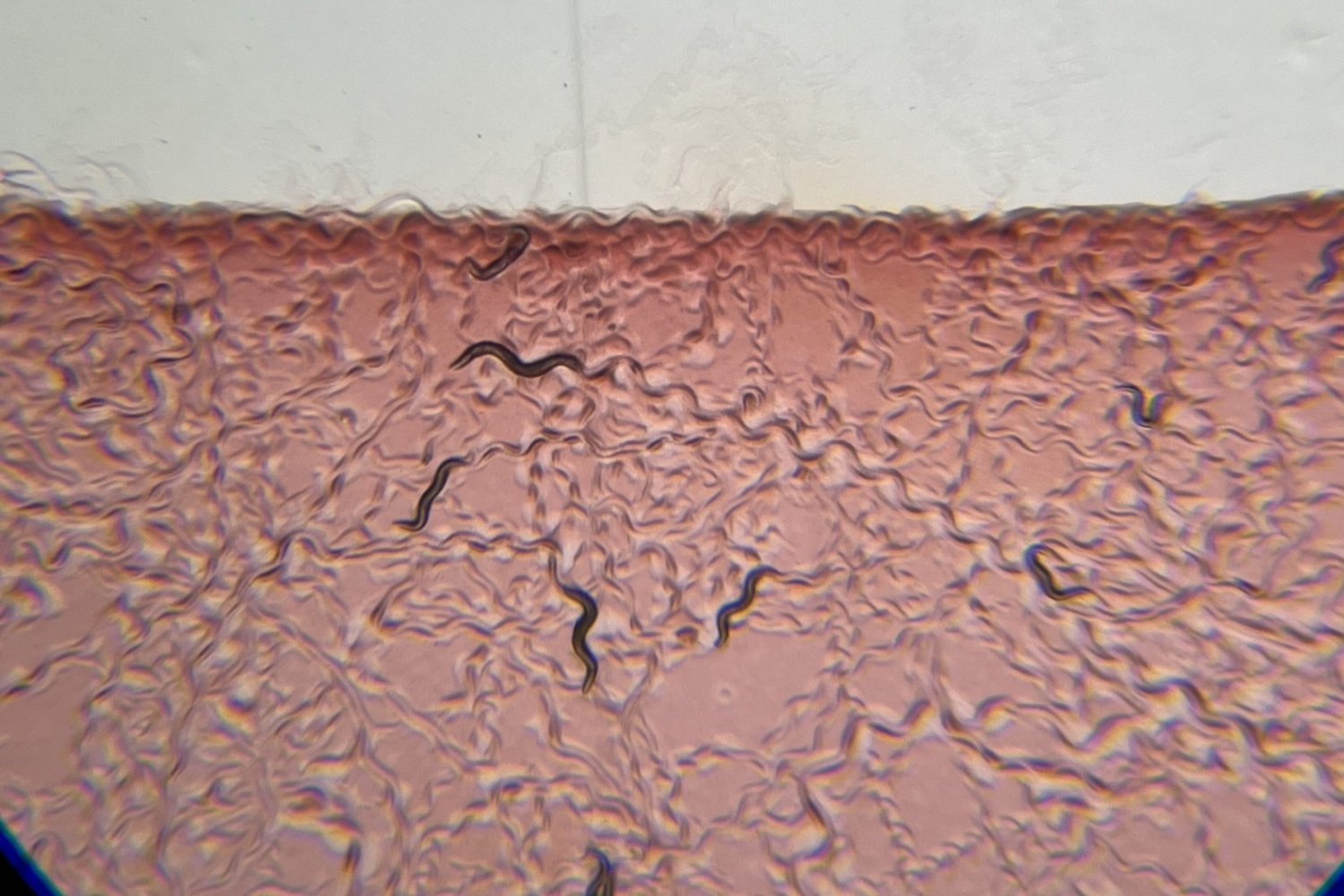
- Key Finding: MIT scientists used C. elegans (roundworms) as a model organism and discovered that key neurons in the gut directly sense specific chemical compounds secreted by intestinal bacteria. They identified distinct molecular signals that distinguish between bacteria that are safe to eat and those that should be avoided.
- Significance: This research provides molecular-level answers to a fundamental question in gut-brain signaling: how do neurons "read" bacteria? The findings could unlock new therapeutic targets for neurological conditions linked to the gut-brain axis, including Parkinson's disease and autism spectrum disorder.
Gene-Edited Bacteria in Development for Hepatic Encephalopathy Treatment
- Research Team: Research group based on MedicalXpress reporting
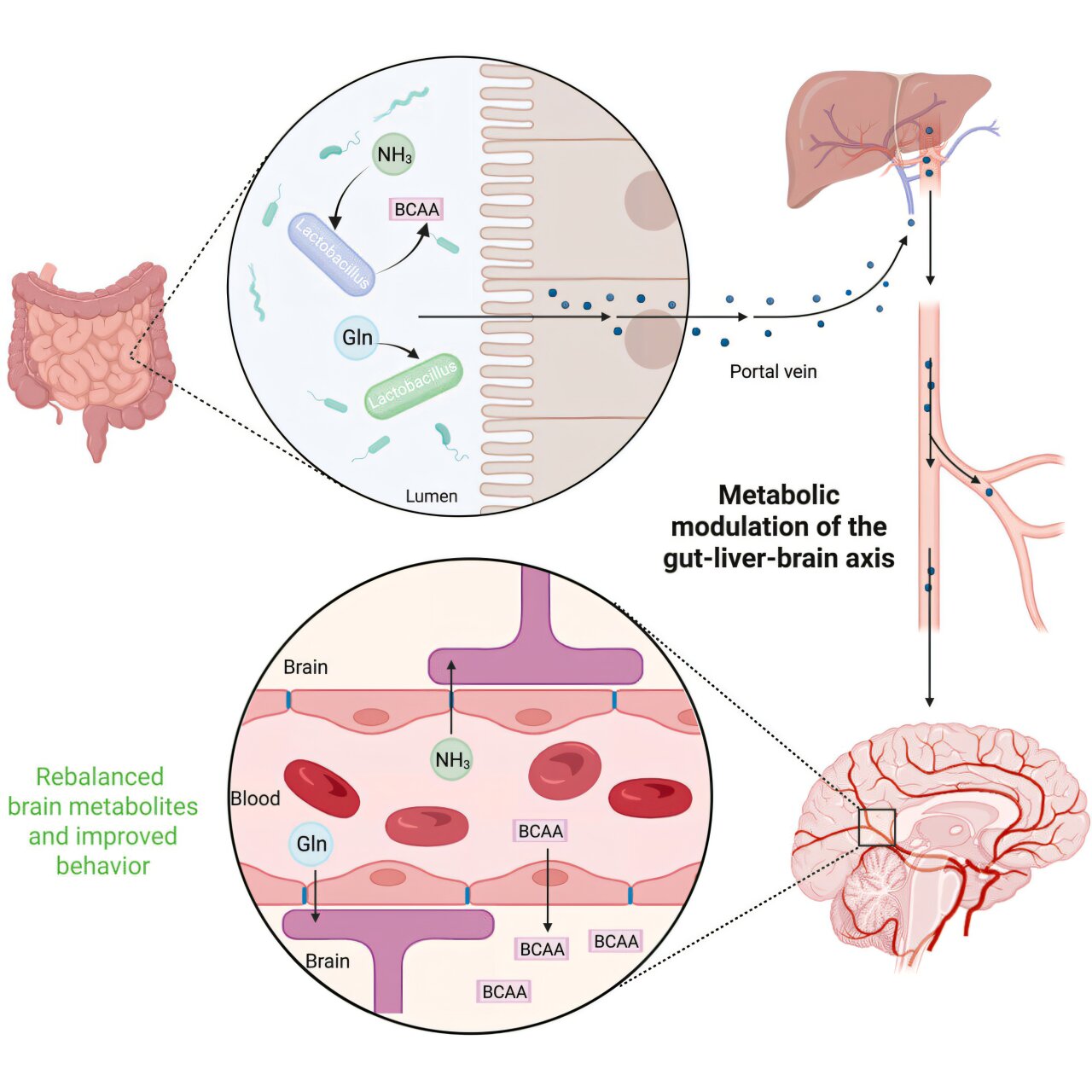
- Key Finding: When liver function fails, toxins like ammonia accumulate in the bloodstream and reach the brain, triggering neurological complications such as anxiety and altered consciousness (hepatic encephalopathy). Researchers have unveiled an approach using genetically engineered bacteria designed to metabolize and remove ammonia in the gut.
- Significance: This represents a proof-of-concept for using "living bacterial therapeutics" rather than traditional drugs to block the liver-gut-brain toxin pathway. It offers a new therapeutic paradigm for patients suffering from liver disease complications.
IBS Personalized Treatment: Where the Gut-Brain Axis Stands Today
- Research Team: HCPLive clinical reporting
- Key Finding: Irritable Bowel Syndrome (IBS) treatment is evolving into personalized, multi-modal strategies grounded in gut-brain axis science, yet significant gaps remain in accessibility, patient education, and real-world treatment outcomes.
- Significance: While clinical translation of gut-brain axis research is accelerating, patient experience improvements still lag. Integrated psychosomatic approaches combined with microbiome interventions have emerged as critical priorities.
💊 Clinical Trials & Therapeutic Pipeline
-
Seres Therapeutics SER-155: Data presented at ESCMID Global 2026 showed that SER-155 (a live biotherapeutic) sustained microbiome modulation and improved intestinal epithelial barrier integrity. The drug is attracting attention as a pipeline candidate targeting immunocompromised patients, including those with chronic graft-versus-host disease.
-
Axsome Therapeutics AUVELITY® FDA Approval: AUVELITY, the first-in-class drug targeting NMDA and sigma-1 receptors, received FDA approval for agitation associated with Alzheimer's disease dementia. While not a direct microbiome therapeutic, it represents expansion of the neuro-psychiatric treatment ecosystem relevant to gut-brain signaling contexts.
🏢 Industry & Business
- Nestlé Joins MTIG: Nestlé announced it has joined the Microbiome Therapeutics Innovation Group (MTIG), an independent consortium supporting FDA-approved microbiome therapeutics. The world's largest food company's direct participation in the microbiome therapeutic ecosystem signals accelerating convergence between nutrition and pharmaceuticals in the gut health space.

- mbiomics Reaches €30 Million in Series A Funding: Munich-based techbio company mbiomics closed its third Series A tranche (€12 million), bringing total Series A funding to €30 million. The capital will fund development of scalable microbiome therapeutics for severe and chronic diseases, including melanoma.

🧠 Deep Dive: How the Brain "Reads" Gut Bacteria — MIT's Signal Pathway Breakthrough
Today's MIT findings answer one of the gut-brain axis's most fundamental questions: How does the brain recognize and interpret what's happening among the trillions of bacteria in your gut?
The research team, working with C. elegans, demonstrated at the molecular level that specific neurons near the gut directly sense distinct chemical compounds released by bacteria. This isn't just an "indirect signal" traveling through the vagus nerve—it's direct sensing, where neurons themselves act as receptors for microbial metabolites.
What makes this discovery crucial is evidence of bidirectional communication. Previous research focused on either brain-to-gut pathways (like stress worsening intestinal symptoms) or gut-to-brain pathways (like short-chain fatty acids signaling through the bloodstream). This work shows neurons are active participants in microbial sensing, not just passive recipients.
The remaining questions are whether similar mechanisms operate in humans and how disruption of this sensing pathway contributes to Parkinson's disease, autism spectrum disorder, depression, and other conditions. Translating these findings from roundworms to humans will likely be the field's central challenge over the next five years.
📋 Practical Insights
-
Mediterranean Diet Optimizes Gut-Brain Signaling: Repeated research confirms that Mediterranean-style eating patterns—rich in dietary fiber and healthy fats—provide the strongest benefits for healthy gut microbiota and brain function. Olive oil, vegetables, nuts, and fermented foods boost short-chain fatty acid (SCFA) production and strengthen intestinal barrier integrity.
-
Coffee's Brain-Protective Effect Through the Gut: Research published in Nature Communications shows that coffee consumption—independent of caffeine content—alters gut microbiota in ways that influence cognition, mood, and immune response. One to two cups daily appear to confer measurable benefits to the gut-brain axis.
-
Look for "Psychobiotics" When Choosing Probiotics: Beyond simple digestive support, select bacterial strains with documented mechanisms for brain health—such as serotonin precursor production, vagal stimulation, or reduced intestinal permeability (known as "psychobiotics"). These may offer complementary relief from depression and anxiety, though efficacy varies by strain and requires evidence-backed product selection.
-
Stress Management Protects the Gut-Brain Pathway in Both Directions: Chronic stress damages the gut microbiota through brain-to-gut signaling, while a compromised gut sends inflammatory signals back to the brain, deepening depression. Regular meditation, exercise, and sleep form evidence-based methods to break this vicious cycle.
👀 Key Takeaways
- MIT's Roundworm Findings Scaling to Mammals: If direct bacterial chemical sensing by neurons is replicated in mouse and primate models, expect paradigm-shifting advances in identifying new drug targets for the gut-brain axis.
- Nestlé-MTIG Partnership's Ripple Effects: As the world's largest food company joins the FDA-approved microbiome therapeutics consortium, watch for regulatory and commercial clarification on how functional foods and prescription microbiome therapeutics will be distinguished.
- Gene-Edited Bacteria Moving Toward Clinical Trials: Industry attention is turning toward when bacterial therapeutics designed to block the liver-gut-brain toxin pathway will advance from preclinical research into Phase 1 human trials.
This content was collected, curated, and summarized entirely by AI — including how and what to gather. It may contain inaccuracies. Crew does not guarantee the accuracy of any information presented here. Always verify facts on your own before acting on them. Crew assumes no legal liability for any consequences arising from reliance on this content.
Powered by
