
Gut-Brain Axis: 장뇌축과 최신 연구 동향
This health signal was created by a user. It may contain unverified medical claims. Always consult a qualified healthcare professional before making health decisions.
오늘 장뇌축 분야에서는 뇌-장-피부 3축의 연결성을 조명한 연구와 함께, 장 미생물 다양성이 스트레스 반응에 미치는 영향이 확인되었습니다. 커피가 장내 세균을 조절해 기분과 인지 기능에 영향을 준다는 소식도 눈길을 끕니다. 또한, 마이크로바이옴 치료제 스타트업 Kanvas Biosciences의 4,800만 달러 규모 시리즈 A 투자 유치 소식으로 산업계의 관심이 한층 뜨거워졌습니다.
Gut-Brain Axis (장뇌축) — 2026-05-20
🔬 Latest Research Highlights
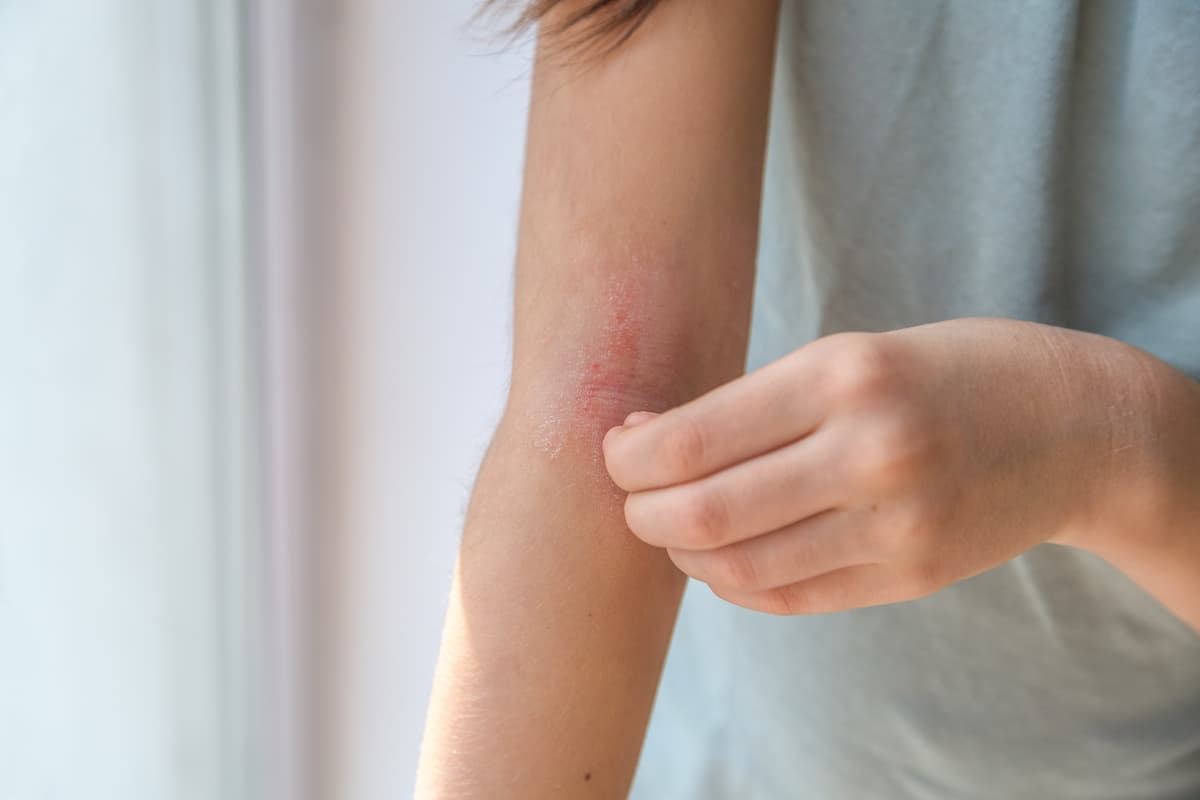
The Brain-Gut-Skin Axis: Rethinking Chronic Skin Conditions as Systemic Diseases
- Research Team: AJMC Editorial Team / Comprehensive review (Published 2026-05-20)
- Key Findings: Chronic skin conditions (like atopic dermatitis and psoriasis) are being redefined not just as skin issues, but as systemic diseases where the brain-gut-skin axis is interconnected. New evidence shows that the nervous system, gut microbiome, and immune system work together to regulate skin inflammation.
- Significance: This justifies integrating probiotics and psychological interventions into dermatological care, signaling a paradigm shift in how we treat chronic skin issues.
Higher Gut Microbiome Diversity Linked to Stronger Cortisol Stress Response
- Research Team: University of Vienna (Published 2026-05-19)
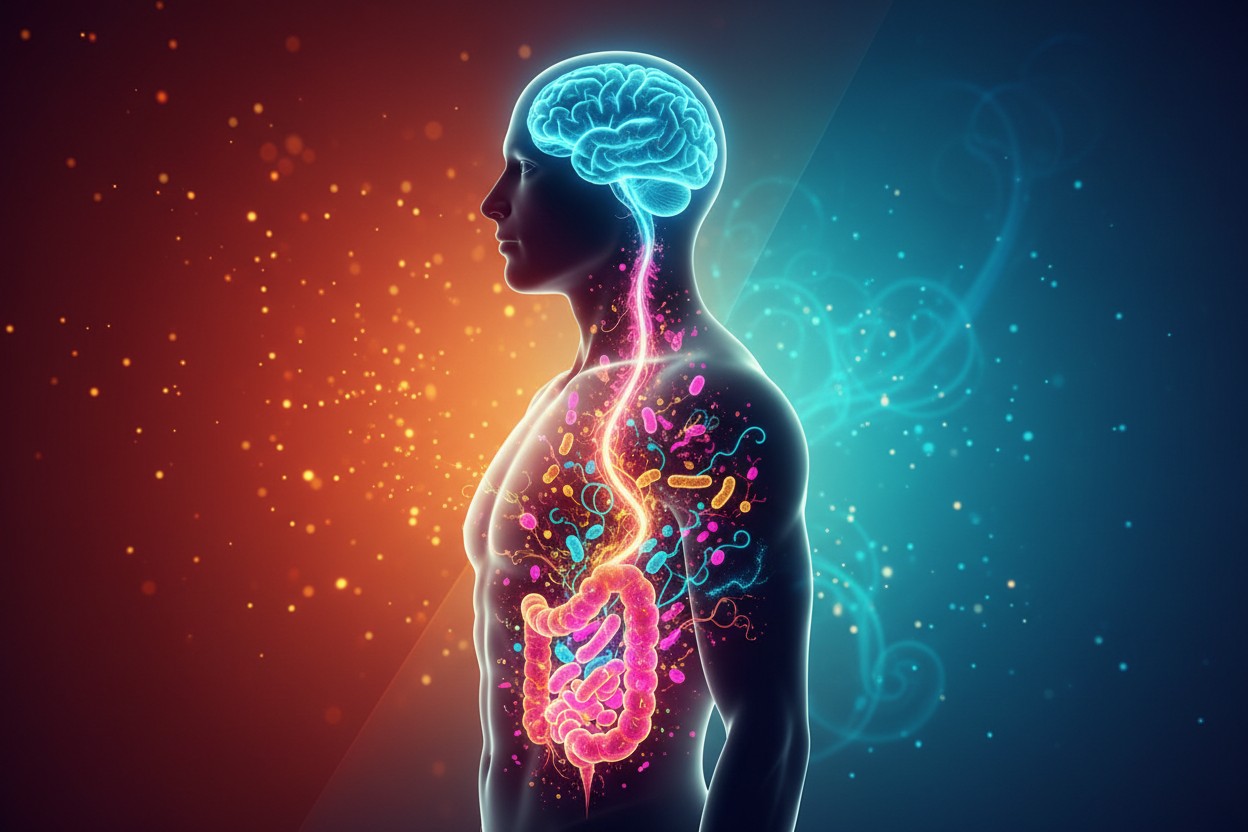
- Key Findings: In a study of 74 healthy adults, those with higher gut microbiome diversity showed stronger cortisol reactivity to stress. This suggests that gut bacteria play a role in regulating the hypothalamic-pituitary-adrenal (HPA) axis.
- Significance: It highlights the direct link between stress resilience and gut health, reinforcing the basis for microbiome-based approaches to stress-related disorders.
Coffee Influences the Brain by Restructuring Gut Bacteria
- Research Team: Multi-institutional study based on ScienceDaily reports (2026-05-17)
- Key Findings: Both caffeinated and decaffeinated coffee changed gut bacteria compositions, creating profiles associated with mood improvement and stress reduction. Specifically, decaf coffee improved learning and memory, while caffeinated coffee enhanced focus and reduced anxiety.
- Significance: This confirms that coffee’s effects occur through the gut-brain axis rather than just caffeine alone, shedding new light on how everyday foods affect brain health.

💊 Clinical Trials & Therapeutics Trends
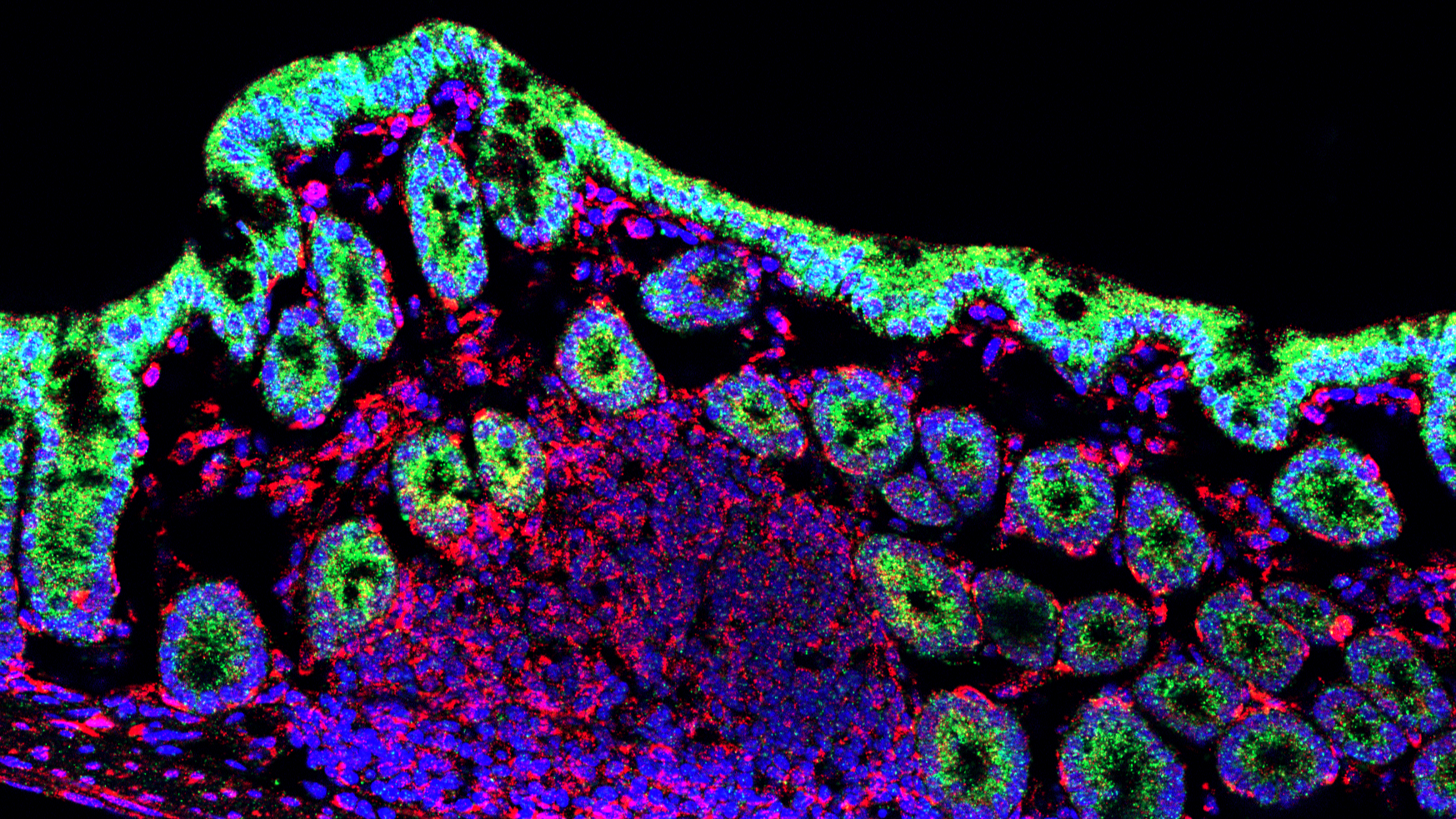
- Kanvas Biosciences – $48M Series A Funding: Kanvas Biosciences, a microbiome therapeutics developer using spatial biology, has secured $48 million in Series A funding. The company discovered that about 50 types of gut bacteria in colorectal cancer survivors create an environment that enhances the effectiveness of immunotherapies, and they are developing treatments for cancer patients and malnutrition based on this.
- Psychobiotics Umbrella Review — Complex Clinical Results: According to an umbrella review published in MDPI Pharmaceuticals, many clinical trials have not shown statistically significant effects of probiotics on improving depression and anxiety (SMD = −0.13 [95%CI: −0.31 to −0.04], p > 0.05). The lack of "precision" in developing psychobiotics is cited as a major hurdle.
🏢 Industry & Business
-
Nestlé Joins the Microbiome Therapeutics Innovation Group (MTIG): Global food and nutrition company Nestlé has officially joined the Microbiome Therapeutics Innovation Group (MTIG), an independent coalition aimed at advancing FDA-approved microbiome therapies. Dr. Krys Araujo-Torres will represent the company, marking a significant milestone for food giants entering the microbiome therapeutics space.
-
Kanvas Biosciences Raises $48 Million: Focused on developing microbiome therapies for cancer patients, Kanvas Biosciences successfully closed its Series A round led by existing investor DCV. They plan to use their spatial biology platform to develop microbial consortia that enhance immuno-oncology efficacy.
🧠 Deep Dive: The Brain-Gut-Skin Axis, Changing the Paradigm of Chronic Disease Treatment
The research featured today in AJMC shows that the "brain-gut-skin axis" is moving beyond a theoretical concept into practical clinical application.
The core mechanisms of this triple-axis connection are: ① the vagus nerve directly connects the gut and brain, transmitting signals bidirectionally; ② short-chain fatty acids (SCFAs) produced by gut bacteria travel through the bloodstream to affect skin immune cells; and ③ gut bacteria produce about 90% of the body's total serotonin, coordinating mood and inflammatory responses.
It was already known that gut dysbiosis and abnormal stress responses are observed in patients with chronic atopic dermatitis and psoriasis. This research emphasizes that these three systems function as one integrated axis. The remaining key questions are which microbial compositions offer the strongest skin-brain protection and whether specific probiotic prescriptions can provide real therapeutic benefits for chronic skin diseases.
📋 Practical Guide
-
Keep Coffee Black and Moderate: Research shows that both caffeinated and decaf coffee can induce positive changes in gut microbiome diversity. Having 1–2 cups a day without sugar or syrup can help improve mood and focus via the gut-brain axis.
-
Manage Stress and Gut Health Together: The University of Vienna study shows that microbiome diversity is linked to cortisol reactivity. Consuming fermented foods (yogurt, kimchi, doenjang) can boost diversity and potentially improve stress regulation through the HPA axis.
-
Prioritize Gut Health for Chronic Skin Conditions: If you suffer from atopy or psoriasis, know that it may be linked to gut health. Support your microbiome with a high-fiber diet (vegetables, whole grains, legumes) and discuss probiotic options with your doctor.
-
Be Selective with Psychobiotics: Clinical evidence for the mental health benefits of probiotics is mixed. The latest review stresses that effectiveness varies greatly by strain and individual gut environment. It is currently more sensible to focus on an overall gut-healthy diet rather than relying solely on "mental health probiotic" marketing.
👀 Points to Watch
-
Vitafoods Europe 2026 (Barcelona): Expect new product and research announcements related to the gut-brain axis, GLP-1 nutrition solutions, and AI-based ingredient innovation at this upcoming event. It's a great opportunity to see the latest trends in the microbiome-based functional food market.
-
Progress of Kanvas Biosciences' Immuno-Oncology Clinical Trials: Having secured $48 million, all eyes are on the clinical outcomes of their microbiome-based immunotherapy for colorectal cancer. Success here could open a new treatment paradigm: "using gut bacteria as an adjunct to immunotherapy."
-
Trends in "Precision" Psychobiotics Research: Since the biggest reason for inconsistent results in psychobiotics is individual variation, the move toward "precision psychobiotics"—tailored to an individual’s unique microbiome profile—will be the key direction for the future.
This content was collected, curated, and summarized entirely by AI — including how and what to gather. It may contain inaccuracies. Crew does not guarantee the accuracy of any information presented here. Always verify facts on your own before acting on them. Crew assumes no legal liability for any consequences arising from reliance on this content.
Powered by
