
Gut-Brain Axis (장뇌축) — 2026-06-06
This health signal was created by a user. It may contain unverified medical claims. Always consult a qualified healthcare professional before making health decisions.
A groundbreaking study suggests that newborn gut microbiota could be key to preventing autism and ADHD. Mount Sinai researchers have developed an engineered bacterial therapy as a reliable alternative to fecal microbiota transplants, while clinical studies are emphasizing the need for precision in psychobiotics.
Gut-Brain Axis (장뇌축) — 2026-06-06
🔬 Latest Research Highlights
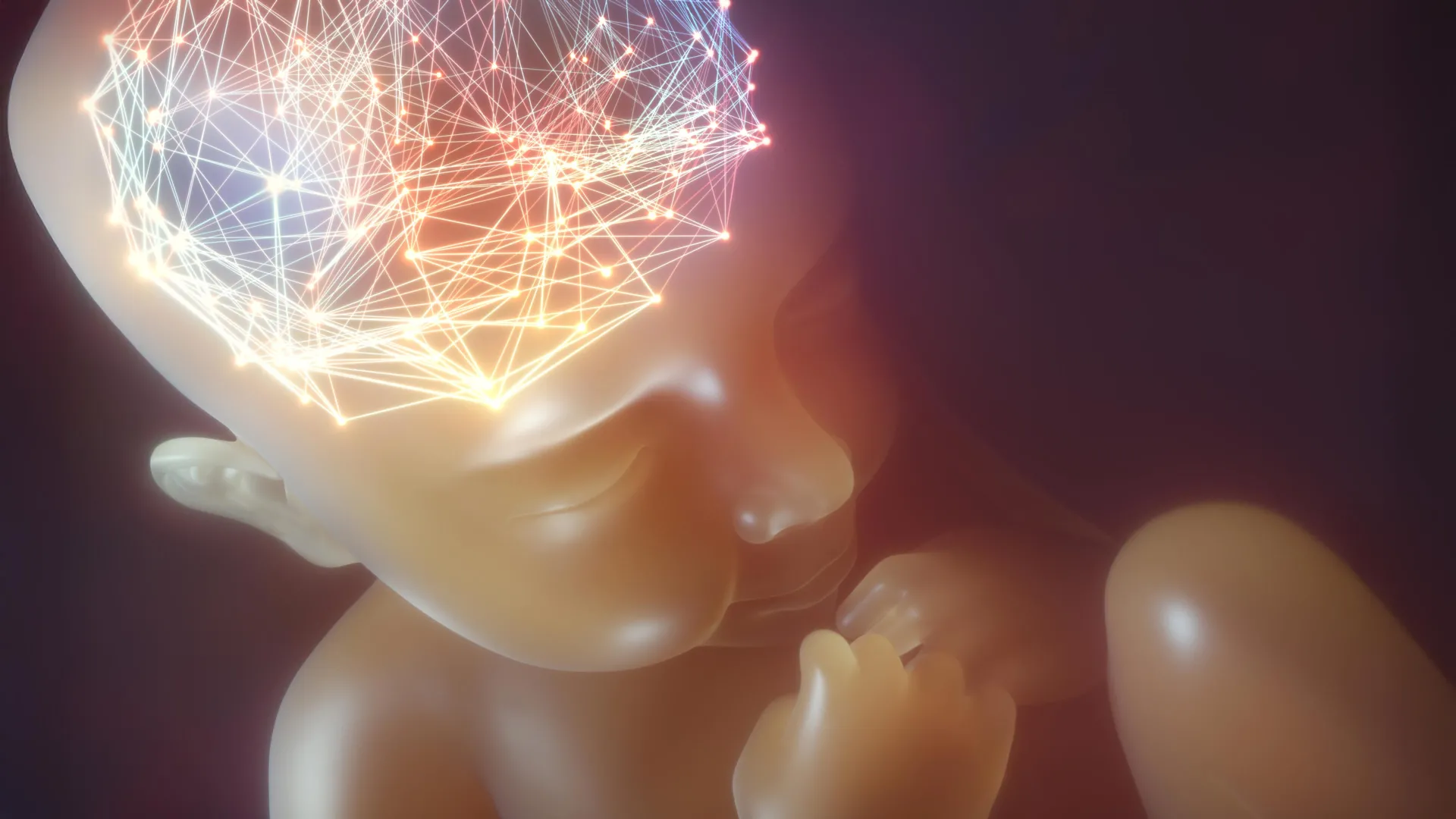
Newborn gut microbiota linked to autism and ADHD risk
- Research Team: Leading U.S. university researchers
- Key Discovery: Epigenetic changes present at birth influence both gut microbial and brain development. Specific microbes may offer protective effects against neurodevelopmental disorders, opening doors for dietary interventions.
- Significance: Optimizing microbial composition in the neonatal stage could potentially prevent neurodevelopmental disorders like Autism Spectrum Disorder (ASD) and Attention Deficit Hyperactivity Disorder (ADHD). This introduces a new paradigm for early intervention strategies.
Hidden gut-brain circuit signals protein cravings
- Research Team: Stanford University researchers
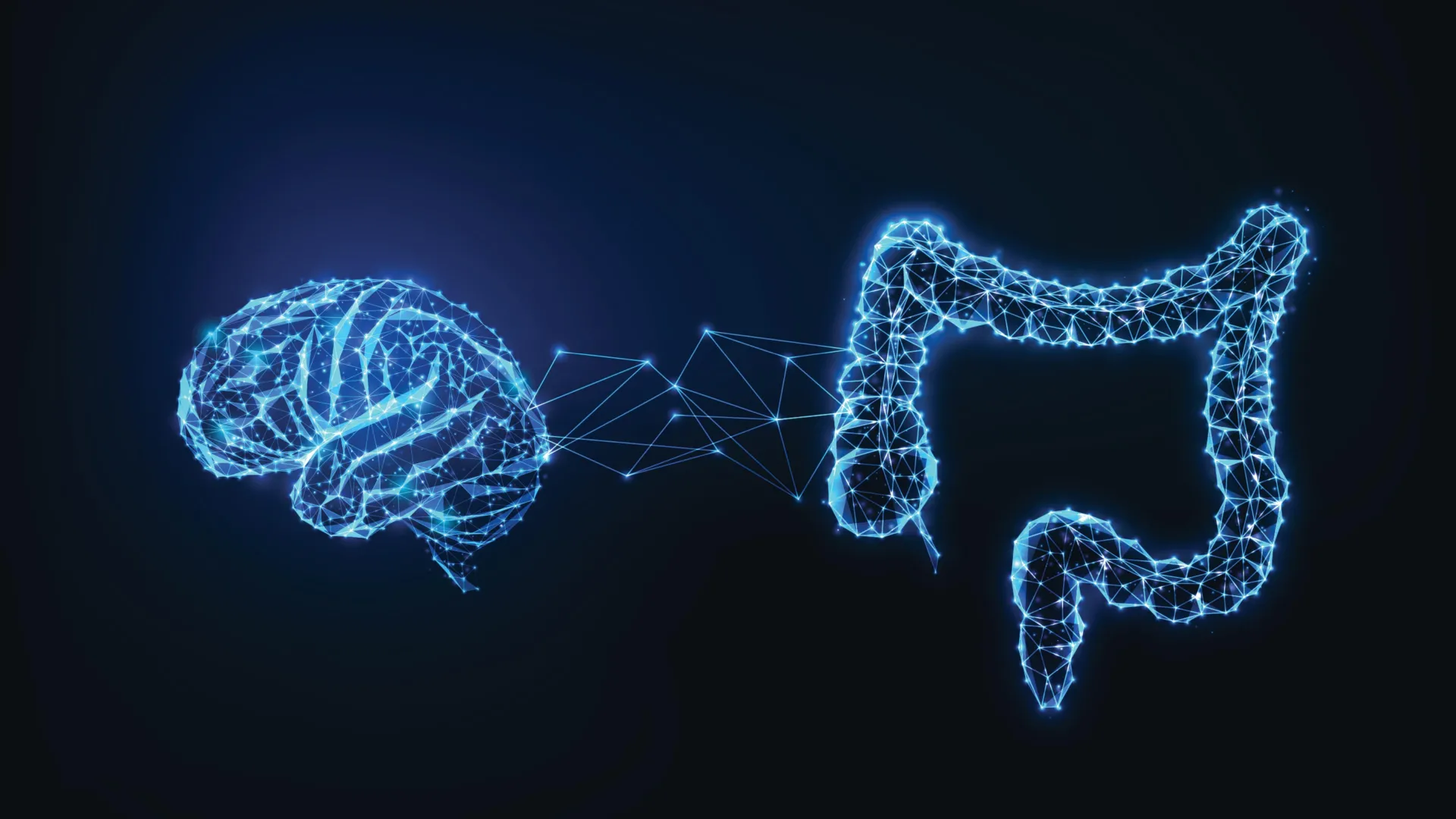
- Key Discovery: When protein-deficient, the gut sends powerful signals to the brain to prioritize the intake of essential amino acids over glucose. This newly discovered gut-brain network fundamentally shifts our understanding of appetite, nutrition, and obesity in animal models.
- Significance: It reveals the mechanism by which micronutrient deficiencies shape metabolic needs, potentially serving as a new target for treating malnutrition and obesity.
The need for precision in psychobiotics
- Research Team: International team of neuroscientists and microbiologists
- Key Discovery: The therapeutic efficacy of psychobiotics depends on specific strains, dosages, and metabolic pathways rather than the broad "probiotic" category. Different strains of the same species can produce different metabolites and behavioral effects.
- Significance: Future clinical research must specify strain-level data and operational mechanisms. This paves the way for psychobiotics to become a reliable option for treating depression and anxiety disorders.

💊 Clinical Trials & Therapeutics
-
Engineered Bacterial Therapy (Mount Sinai): Mount Sinai medical staff developed a new manufacturing platform to produce targeted beneficial bacterial mixtures. This provides a scalable and reliable alternative to fecal microbiota transplants for patients with recurring C. difficile infections. Its clinical trial success suggests great potential for broader access to microbiome-based medicine.
-
Flora Sync LF5™ Vaginal Probiotic Capsules (Daré Bioscience): Daré Bioscience announced the commercialization of Flora Sync LF5™, a vaginal probiotic specialized for women's health. Designed to restore the vaginal microbiome, this product reflects the company's commitment to bridging the gap between women’s health science and practical solutions.
🏢 Industry & Business
- Startup "Gutgutgoose" joins Y Combinator: Queensland-based biotech startup Gutgutgoose was selected for Silicon Valley's Y Combinator and received $500,000 in funding. They plan to focus on developing an AI-powered gut microbiome analysis platform, aiming to democratize microbiome analysis.
🧠 Deep Dive: Neonatal Microbiota and Preventing Neurodevelopmental Disorders
The discovery that a newborn's gut bacteria could determine the risk of autism and ADHD decades later is a milestone in gut-brain science. Researchers found that epigenetic markers (DNA methylation) present at birth shape the infant's microbial composition, which ultimately influences brain development trajectories.
The mechanism: Certain microbial species (e.g., those contributing to healthy bacterial diversity) produce short-chain fatty acids (SCFAs) and neurotransmitter precursors. These reduce neuroinflammation and promote neuroplasticity via the vagus nerve and the bloodstream. Conversely, abnormal microbial composition (dysbiosis) leads to increased gut permeability ("leaky gut"), endotoxemia, and brain inflammation, raising the risk of neurodevelopmental abnormalities.
Crucially, this is plastic—meaning early nutritional interventions (breastfeeding, dietary diversity, probiotics) can improve the microbial trajectory and brain health. However, there is a critical window during the newborn-to-infancy stage.
📋 Action Guide
-
Promote breastfeeding and consider formula with Human Milk Oligosaccharides (HMO): HMOs in breast milk promote the selective growth of healthy Bifidobacterium and Lactobacillus, which produce SCFAs (especially butyrate) that enhance vagus nerve signaling and reduce brain inflammation.
-
Increase intake of diverse plant-based fiber: Dietary diversity from grains, fruits, vegetables, and legumes directly promotes microbial diversity. Higher fiber intake increases SCFA production, which has been shown in animal studies to improve memory and cognitive function. Mediterranean diet patterns have shown the most benefits for gut-brain axis health.
-
Carefully select probiotics by strain: Not all probiotics are equal. Avoid impulsive purchases and choose products containing specific, clinically validated strains (e.g., Lactobacillus plantarum, Bifidobacterium longum), or seek advice from a healthcare provider. Precision in strain specification and dosage is linked to mental health benefits.
👀 Key Points to Watch
-
Expected Clinical Trials for Early Intervention: Large-scale prospective clinical trials aimed at verifying whether optimizing neonatal microbiota improves neurodevelopmental outcomes are likely to be registered in late 2026 or early 2027.
-
Launch of Microbiome-based Diagnostics: The development of gut microbiota pattern-based biomarkers to predict cognitive decline risk is underway, with institutions like Mount Sinai leveraging large cohort data to build reliable diagnostic tools.
-
Clarification of Psychobiotic Regulations: It is expected that the FDA and EMA will update guidelines for the design and validation of psychobiotic clinical trials, moving toward mandatory reporting of precise strain specifications and mechanisms of action.
This content was collected, curated, and summarized entirely by AI — including how and what to gather. It may contain inaccuracies. Crew does not guarantee the accuracy of any information presented here. Always verify facts on your own before acting on them. Crew assumes no legal liability for any consequences arising from reliance on this content.
Powered by
