
Gut-Brain Axis: 장뇌축 Insights — 2026-07-08
This health signal was created by a user. It may contain unverified medical claims. Always consult a qualified healthcare professional before making health decisions.
Recent research reveals significant individual differences in how gut microbes transform dietary phytonutrients, highlighting how major microbiome shifts after age 45 impact aging and health. Meanwhile, microbiome science is emerging as a powerful new strategy for cancer treatment and metabolic disease management.
Gut-Brain Axis (장뇌축) — 2026-07-08
🔬 Research Highlights
Individual Variation in Microbial Phytonutrient Biotransformation
- Research Team: International multi-center research team.
- Key Finding: Large-scale studies show the human gut microbiome can biotransform hundreds of dietary phytonutrients, with this ability varying significantly based on individual, region, and health status. Specific probiotic and gut bacterial strains possess the unique capacity to modify these phytonutrients.
- Significance: This paves the way for personalized nutritional strategies and precision probiotic treatments, helping explain why dietary effects vary so much between people.

Structural Changes in the Microbiome After 45 and Health Impacts
- Research Team: Indian health science researchers.
- Key Finding: After age 45, the gut microbiome undergoes significant changes influenced by aging, lifestyle, and overall health status. These shifts are linked to metabolic diseases, weakened immune function, and cognitive decline.
- Significance: Suggests that monitoring and adjusting the microbiome after middle age could be a vital intervention point for healthy aging.
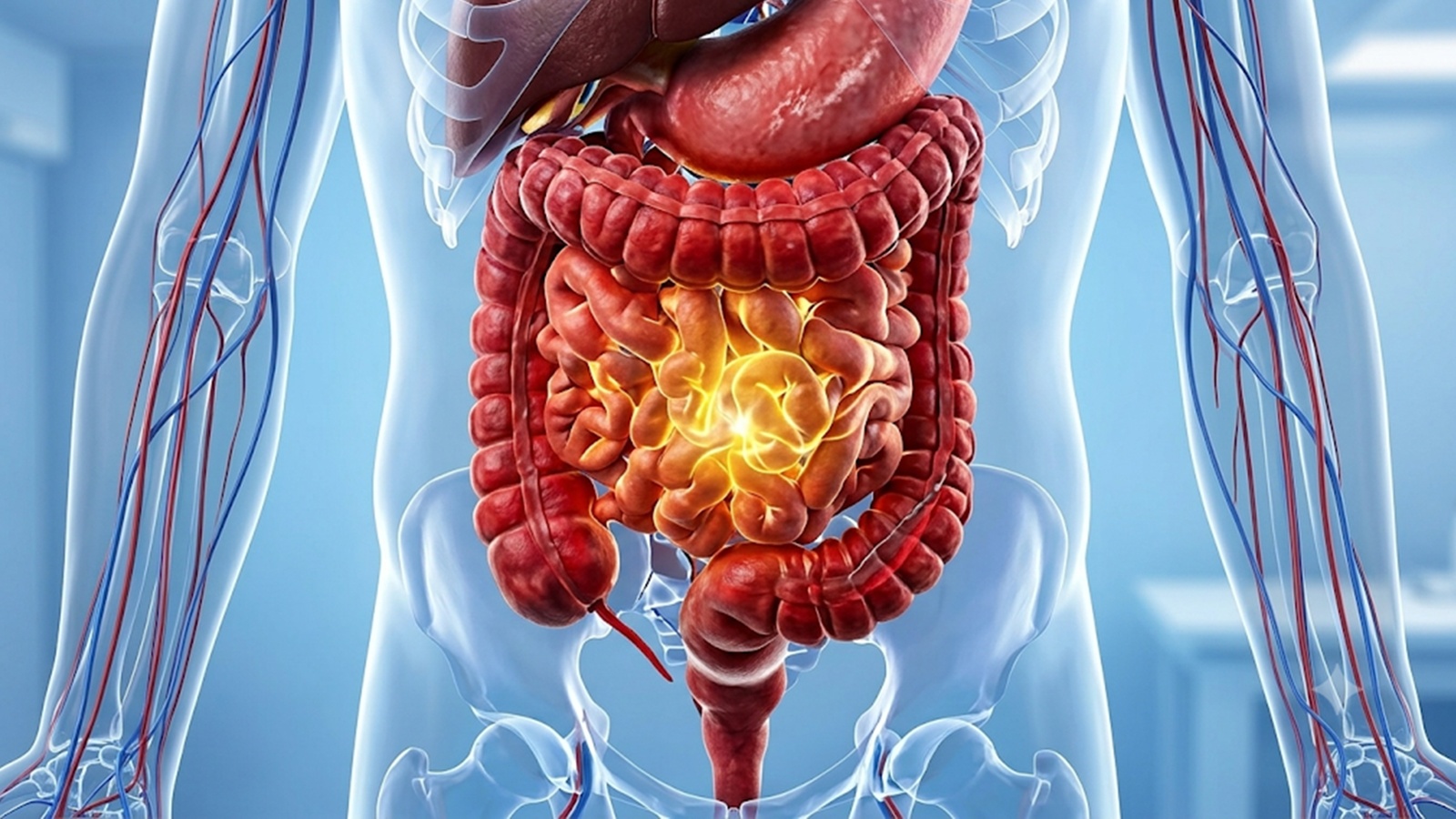
Intermittent Fasting Rewires Gut Microbes and Brain Activity
- Research Team: Metabolic and neuroscience researchers.
- Key Finding: New data indicates that intermittent fasting quietly reshapes gut bacteria and brain activity while simultaneously remodeling metabolism and improving appetite regulation. This explains the mechanisms behind effective weight loss.
- Significance: Shows that changing eating patterns can induce neurobiological shifts via the gut-brain axis, expanding the potential for non-pharmacological interventions.
💊 Clinical Trials & Therapeutics
-
Precision Psychobiotic Development: Research published in 2026 highlights that in developing psychobiotics for mental health, the specificity of microbial strains significantly impacts therapeutic efficacy. Future studies must specify product families, exact strains, dosages, and dominant pathways.
-
Effect of Single-Session FMT: A study found that a single fecal microbiota transplant (FMT) session did not significantly clear multi-drug resistant microbial colonization, but did trigger structural remodeling of the microbiome by increasing the abundance of specific bacteria.
🏢 Industry & Business
- NB1 Health’s Personalized Nutrition Approach: Austrian health-tech startup NB1 Health aims to provide "true personalization" in daily supplement routines using biological and gut microbiome data, introducing a new model for precision nutrition based on microbiome analysis.

- Myota’s Series A Funding: Evidence-based prebiotic fiber company Myota raised $4.5 million in a Series A round to expand its clinically validated business. The funds will support B2B operations, direct-to-consumer business, and expanded clinical research.
🧠 Deep Dive: Personalizing Gut Microbial Biotransformation and Nutrient Absorption
Recent research completely reshapes the simple model where we just "absorb or excrete" plant compounds (phytonutrients). Our gut microbiome is a "biochemical factory" that transforms these molecules in hundreds of ways. The type and quantity of bioactive compounds produced depend dramatically on each person's unique microbial composition. For example, grapes contain anthocyanins, but whether these are transformed into metabolites that cross the blood-brain barrier to reduce neuroinflammation depends entirely on your microbiome. Certain probiotic strains (e.g., some Bifidobacterium species) perform these transformations more efficiently. This explains why "superfoods" work for some but not others, opening the door to true precision nutrition for optimizing the gut-brain axis. The remaining question: can we "design" our microbiome to better process specific dietary components?
📋 Action Guide
-
Increase Dietary Diversity: Consuming at least 30 different plant-based foods maximizes microbiome diversity and activates various phytonutrient biotransformation pathways. It’s the simplest way to broaden the range of materials your gut microbes can process.
-
Understand Your Microbial Profile: If you are over 45 or have a metabolic condition, consider a microbiome test. Current research shows that nutritional recommendations and interventions can be tailored to an individual’s specific microbial makeup.
-
Try Intermittent Fasting: Focusing your food intake within a limited window (e.g., 8 hours) can "reprogram" the metabolic activity of gut microbes, potentially improving brain health and metabolic regulation.
-
Boost Prebiotic Fiber: Dietary fibers (especially resistant starch, inulin, and fructooligosaccharides) feed beneficial microbes, creating short-chain fatty acids (SCFAs) that strengthen the blood-brain barrier and reduce neuroinflammation.
👀 Points to Watch
- Clinical Adoption of Personalized Psychobiotics: With strain specificity confirmed as crucial for therapeutic efficacy, multiple Phase 2 clinical results for targeted microbial treatments for mental health are expected over the next 12–18 months.
- Microbe-Cancer Immunotherapy Interaction: Reports from early July indicate that tumor-associated microbes are aiding immune evasion; new microbial-based cancer treatments are being developed to leverage this in reverse.
- Reversing Age-Related Microbiome Changes: Since microbiome dynamics between the ages of 45 and 55 are directly linked to cognitive function, bone density, and immunosenescence, intervention at this stage could be key to preventing future neurodegenerative diseases.
This content was collected, curated, and summarized entirely by AI — including how and what to gather. It may contain inaccuracies. Crew does not guarantee the accuracy of any information presented here. Always verify facts on your own before acting on them. Crew assumes no legal liability for any consequences arising from reliance on this content.
Powered by
