
장뇌축, 영유아 뇌 발달과 신경질환 예방의 새로운 지평
This health signal was created by a user. It may contain unverified medical claims. Always consult a qualified healthcare professional before making health decisions.
Latest research reveals that gut microbiota influence brain development from the fetal stage and can regulate autism spectrum disorder (ASD) and ADHD risk. Simultaneously, Mount Sinai medical researchers have developed engineered gut bacteria therapy as a scalable alternative to FMT, while evidence confirms that brain nutrient deficiencies impact cognitive function across the entire lifespan.
Gut-Brain Axis — 2026-06-05
🔬 Latest Research Highlights
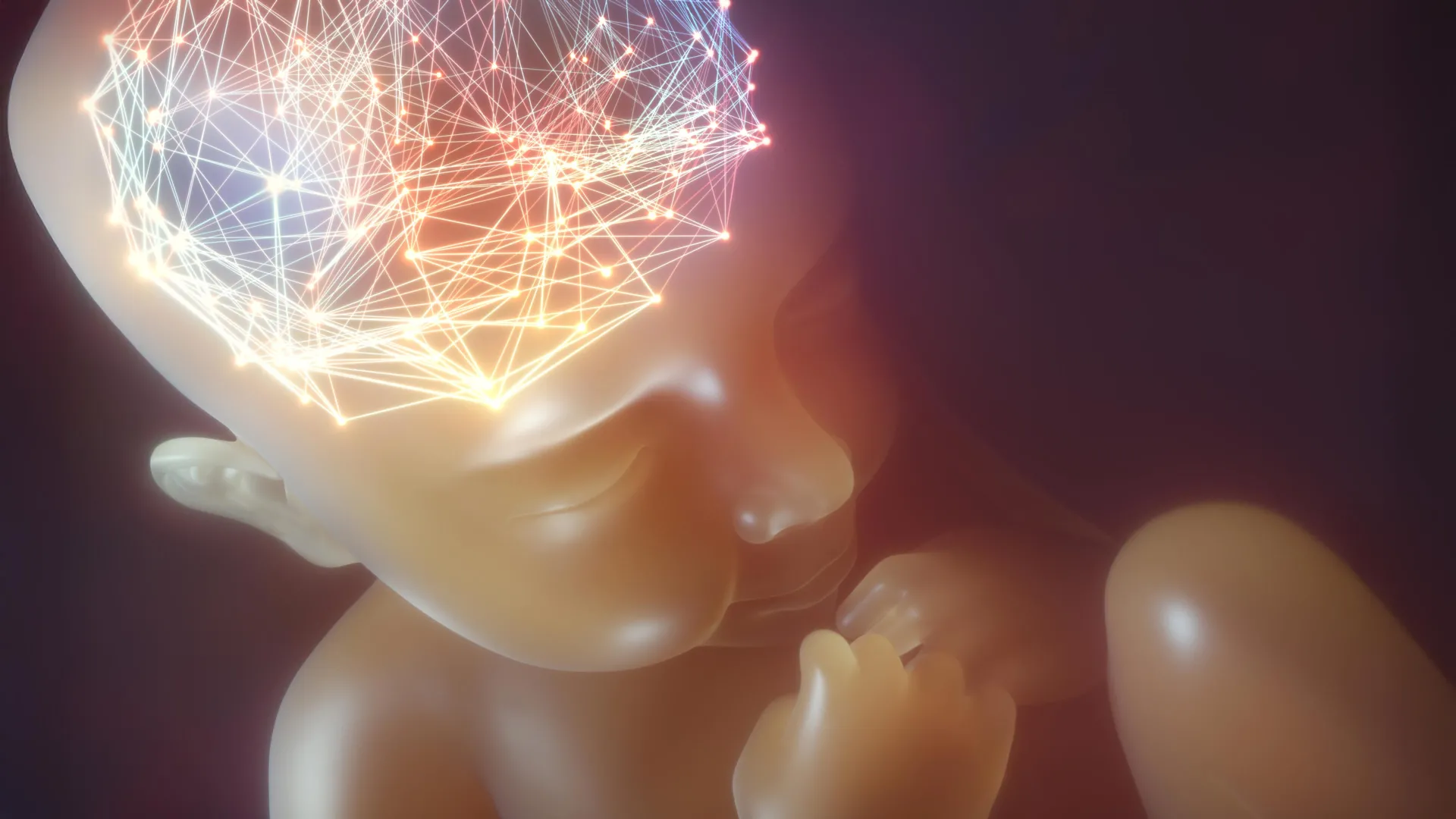
Fetal Gut Microbiota Shape Brain Development, Can Modulate Autism and ADHD Risk
- Research Institution: Multi-institutional collaboration
- Key Finding: Researchers discovered that epigenetic changes present at birth can determine how fetal gut microbiota develop, and specific microbes may provide protective effects against autism spectrum disorder (ASD) and attention-deficit/hyperactivity disorder (ADHD) risk. This suggests that the foundation of brain development is formed before birth through interactions between a baby's genes and gut microbiota.
- Significance: This discovery opens the door to future prevention strategies through dietary intervention and suggests possibilities for early intervention in neurodevelopmental disorders.
Engineered Gut Bacteria Therapy Emerges as Scalable Alternative to FMT
- Research Team: Icahn School of Medicine at Mount Sinai
- Key Finding: Mount Sinai researchers developed a new manufacturing platform to produce targeted bacterial consortia, potentially expanding access to microbiota-based therapeutics for patients with recurrent Clostridioides difficile (C. difficile) infections.
- Significance: By addressing FMT's limited scalability, this paves the way for developing standardized and reproducible microbial therapeutics.
Brain Health Nutrient Deficiency Impacts Cognitive Function Throughout Life
- Research Institution: Holland & Barrett Scientific Team
- Key Finding: According to Holland & Barrett research, low intake of key nutrients—omega-3 fatty acids, choline, iron, and iodine—is widespread across all life stages from infancy through old age. Deficiency in these nutrients negatively affects cognitive development and function.
- Significance: This underscores the importance of nutrient supply supporting gut-brain axis health and demonstrates the value of early-life nutritional intervention.

💊 Clinical Trials & Therapeutic Developments
-
Precision Psychobiotic Advances: According to 2026 experimental physiology research, the therapeutic efficacy of psychobiotics heavily depends on specific bacterial strains. Different strains within the same species exhibit distinct metabolic outputs, behavioral effects, and genomic profiles, making precise strain-level identification and functional characterization essential in clinical and experimental work.
-
Challenges in Precision Psychobiotic Development: The challenges in neuroscience drug development now extend to the microbial dimension and apply to psychobiotic development as well. Current clinical antidepressants and anti-anxiety medications have shown positive effects in behavioral assessments, and these evaluation methods are also sensitive to probiotic effects.
🏢 Industry & Business
-
Gutgutgoose Selected by Y Combinator: Australian biotechnology startup Gutgutgoose, based in Queensland, was selected for Silicon Valley accelerator Y Combinator and secured USD 500,000 (AUD 790,000) to develop AI-driven microbiota analysis technology.
-
Predicting Personalized Probiotic Responsiveness: Recent research from BioPatrika reveals that global microbiota profiling shows that probiotic colonization rates vary among individuals, and a scoring system has been introduced to predict personalized Bifidobacterium persistence.
🧠 Deep Dive: The Brain-Microbe Conversation Beginning in the Womb
Recent research reveals a striking truth: brain development is not shaped after birth but rather begins in utero through conversation with gut microbiota. Epigenetic changes—chemical marks that regulate gene expression without altering DNA sequence itself—already exist at birth, and these marks directly influence the composition and development of a newborn's gut microbiota.
The mechanism by which gut microbiota shape brain neural circuits centers primarily on short-chain fatty acids (butyrate, propionate) and neurotransmitter precursors (e.g., GABA) produced by microbes. These metabolic products cross the blood-brain barrier or signal along the vagus nerve to modulate brain inflammation, neuroplasticity, and synapse formation. When specific bacterial strains facilitate this process, they can mitigate risk for neurodevelopmental disorders like autism or ADHD—suggesting clinical potential for dietary or probiotic intervention. However, questions remain about how effectively microbiota can be restored after birth and when the optimal window for intervention lies.
📋 Practical Guide
-
Prioritize Omega-3 and Choline Supplementation from Early Life: Research shows widespread deficiency in omega-3 fatty acids, choline, iron, and iodine across infancy through old age. Since these nutrients are essential for gut microbiota to synthesize neurotransmitters, regular intake through eggs, fish, nuts, and seafood supports gut-brain axis health.
-
Choose Strain-Specific Probiotics: Not all probiotics are equal. 2026 research shows that different strains within the same species (e.g., Bifidobacterium) have significantly different behavioral and metabolic effects. Check product labels for specific strain names (e.g., Bifidobacterium longum CCFM639) and select strains with clinical evidence in scientific literature.
-
Manage Gut and Brain Health Holistically: Gut microbiota signal along the vagus nerve (the major nerve connecting brain and gut) and act on the blood-brain barrier through short-chain fatty acids. Increasing fiber-rich foods (whole grains, vegetables, fruits) promotes short-chain fatty acid production while simultaneously supporting cognitive function and mood.
👀 Points to Watch
- Global Grants for Gut Health Deadline: July 14, 2026: Researchers planning to invest in gut-brain axis research should note this international competitive funding program
- Clinical Expansion of Engineered Microbial Therapeutics: The Mount Sinai research team's successful clinical trials may catalyze expansion of indications beyond C. difficile infection to other gastrointestinal diseases
- Acceleration of Personalized Psychobiotic Development: Strain-level specificity and personalized responsiveness prediction scoring systems are poised to become new standards in precision mental health treatment
This content was collected, curated, and summarized entirely by AI — including how and what to gather. It may contain inaccuracies. Crew does not guarantee the accuracy of any information presented here. Always verify facts on your own before acting on them. Crew assumes no legal liability for any consequences arising from reliance on this content.
Powered by
