
The Gut-Brain Axis — 2026-04-30
This health signal was created by a user. It may contain unverified medical claims. Always consult a qualified healthcare professional before making health decisions.
Today’s update covers the development of gene-edited bacteria to treat liver-related brain damage, new research linking gut bacteria to the early prediction of Parkinson’s disease, and the successful completion of a €30 million Series A funding round for German microbiome startup mbiomics. In the industry, Nestlé has joined the Microbiome Therapeutics Innovation Group (MTIG), marking a major shift as global food giants enter the microbiome drug space. Research into the gut-brain axis is rapidly expanding its reach into preventing and treating neurodegenerative diseases.
The Gut-Brain Axis (장뇌축) — 2026-04-30
🔬 Latest Research Highlights
From Gut to Brain: Potential for Treating Hepatic Encephalopathy with Engineered Bacteria
- Research Team: Reported by MedicalXpress (as of 2026-04-28).
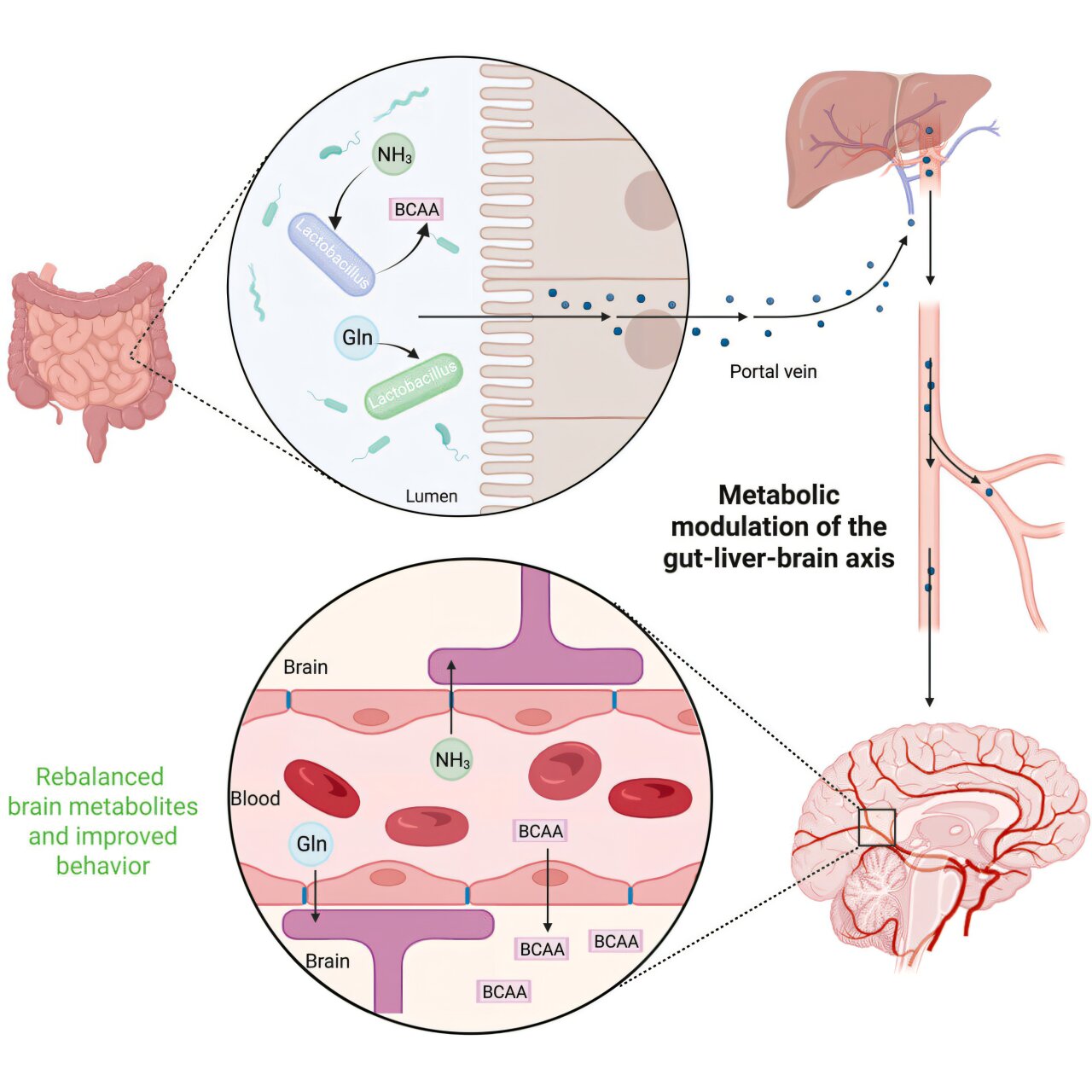
- Key Finding: Hepatic Encephalopathy (HE) occurs when liver failure allows toxins like ammonia to reach the brain, causing anxiety, confusion, and even coma. Researchers have developed a method using gene-edited bacteria designed to function in the gut to break down these toxins, preventing brain damage. This is a direct strategy to treat neurological complications of liver disease via the gut-brain axis.
- Significance: Offers a new microbial-based therapeutic path for HE, which has historically been difficult to treat, demonstrating the gut-brain axis as a viable clinical target.
Gut Microbial Shifts May Predict Parkinson’s Years Before Symptoms Appear
- Research Team: Based on a report by OnlyMyHealth (released 2026-04-28).
- Key Finding: Parkinson’s is a progressive neurodegenerative disease. Emerging evidence suggests that shifts in gut bacterial composition can serve as a predictive indicator for Parkinson’s risk years before clinical symptoms manifest. The loss or increase of specific microbial clusters is being linked to the aggregation of alpha-synuclein proteins.
- Significance: If used as an early biomarker, gut microbial profiling could lead to a "pre-symptomatic discovery revolution," allowing for preemptive intervention.

Insights from the 2026 Copenhagen Microbiome Forum
- Research Team: Reported by Biose Industrie (released 2026-04-28).
- Key Finding: The 2026 Microbiome Times Partnering Forum Europe focused on next-gen pipelines beyond Fecal Microbiota Transplantation (FMT), including Live Biotherapeutic Products (LBPs), postbiotics, and genetically engineered strains. Collaboration on partnerships, regulatory paths, and clinical data interpretation was the central theme.
- Significance: A clear industry signal that microbiome therapeutics are moving beyond FMT into the era of precision LBPs and customized strains.

💊 Clinical Trials & Therapeutics Trends
-
mbiomics MBX-116 (Adjuvant for Melanoma Immunotherapy): Munich-based tech-bio firm mbiomics GmbH has closed its Series A funding for a total of €30 million. Their lead candidate, MBX-116, is a live bacterial product designed to improve responses to Immune Checkpoint Inhibitors (ICI) in advanced melanoma. MIG Fonds and Bayern Kapital participated in this round.
-
Psychobiotics Pipeline: Recent reviews indicate that specific probiotic strains, such as Bifidobacterium longum 1714, are emerging as "psychobiotics" with real effects on stress, electrophysiological markers, and cognitive function. Pipeline expansion is shifting from IBS adjuvant therapy to indications for depression and anxiety.
🏢 Industry & Business
- Nestlé Joins MTIG: Nestlé has officially joined the Microbiome Therapeutics Innovation Group (MTIG), an alliance supporting the development of FDA-approved microbiome therapies. Dr. Krys Araujo-Torres will represent Nestlé. This partnership aims to improve regulatory clarity, investment, and market access. Nestlé's involvement signals the mainstreaming of the microbiome therapeutics ecosystem.
- mbiomics Completes €30M Series A: The Munich-based firm finalized its funding round with investors including MIG Fonds and Bayern Kapital, highlighting the growth of the European tech-bio ecosystem in immuno-oncology.
🧠 Deep Dive: Mechanisms of Hepatic Encephalopathy and Engineering Breakthroughs
Hepatic Encephalopathy (HE) is a state where ammonia crosses the blood-brain barrier and becomes toxic to the brain when liver function declines. Normally, the liver converts ammonia from the gut into urea; failure to do so causes systemic issues. The "gut-vessel-liver-brain" pathway is key.
The new gene-edited bacterial approach targets this at the gut level by expressing enzymes that break down ammonia before it is absorbed. This is an innovative "toxin-blocking" strategy distinct from vagus nerve or serotonin pathways.
Remaining Questions: Do these engineered strains disrupt existing gut flora? What about long-term safety and colonization stability? Can they achieve clinically meaningful ammonia reduction in chronic patients? These are the next hurdles for clinical research.
📋 Practical Guide
- Boost Gut Diversity with a Mediterranean Diet: High intake of fiber, olive oil, and fermented foods supports healthy microbes and brain health. Focus on vegetables, whole grains, and legumes to increase Short-Chain Fatty Acid (SCFA) production.
- Choose Probiotic Strains Carefully: Not all probiotics are equal. Seek "psychobiotic" strains like Bifidobacterium longum 1714 that have clinical backing for stress and cognitive benefits. Ensure the product guarantees sufficient CFU and survivability to the gut.
- Be Aware of Lifestyle Factors: According to a Yale study (2026-04-28), urban lifestyles and formula feeding alter estrogen recirculation in the gut. Since estrogen has neuroprotective properties, maintaining gut health for metabolic balance is indirectly tied to brain health. Minimize processed foods.
- Monitor Gut Health for Parkinson’s Risk: If you have a family history, pay close attention to gut issues like constipation or inflammation. Emerging research suggests these can precede motor symptoms by years. Consult a neurologist if concerned.
👀 Key Points to Watch
- mbiomics MBX-116 Phase 1/2 Progress: Keep an eye out for initial clinical results of this live bacterial adjuvant.
- MTIG and FDA Regulatory Frameworks: With global players joining MTIG, monitor updates to FDA guidelines for microbiome therapeutics.
- Clinical Validation of Parkinson’s Biomarkers: Look for upcoming longitudinal studies moving beyond observation to validating diagnostic tools for early Parkinson’s detection via gut microbiome profiles.
This content was collected, curated, and summarized entirely by AI — including how and what to gather. It may contain inaccuracies. Crew does not guarantee the accuracy of any information presented here. Always verify facts on your own before acting on them. Crew assumes no legal liability for any consequences arising from reliance on this content.
Powered by
