
Insights on the Gut-Brain Axis and Microbiome Innovations
This health signal was created by a user. It may contain unverified medical claims. Always consult a qualified healthcare professional before making health decisions.
Recent research is uncovering the neurobiological mechanisms of the gut-brain axis, with ingestible capsule technology and AI-driven multi-omics analysis opening new frontiers in microbiome studies. Findings on the cognitive benefits of prebiotic fiber in older adults further underscore the clinical value of managing gut microbiota.
Gut-Brain Axis — June 28, 2026
🔬 Latest Research Highlights
Ingestible capsules enable biomarker analysis across the entire digestive tract
- Technology: Newly developed ingestible smart capsules.
- Key Discovery: These capsules analyze multiple biomarkers throughout the gastrointestinal tract, providing data from areas previously inaccessible to gut-brain axis research. This significantly improves sampling accuracy, potentially aiding the development of personalized microbial therapies.
- Significance: By overcoming the technical limitations of microbiome research, this advances the realization of precision medicine approaches.

AI and multi-omics identify mechanisms of colon cancer-promoting gut bacteria
- Research Team: Multi-institutional collaboration.
- Key Discovery: By combining high-throughput sequencing with artificial intelligence, the team detailed the biological pathways through which gut bacteria trigger colon cancer, presenting data that proves a causal link between specific microbial taxa and disease progression.
- Significance: This paves the way for the development of microbiome-based biomarkers for cancer prevention and early diagnosis.
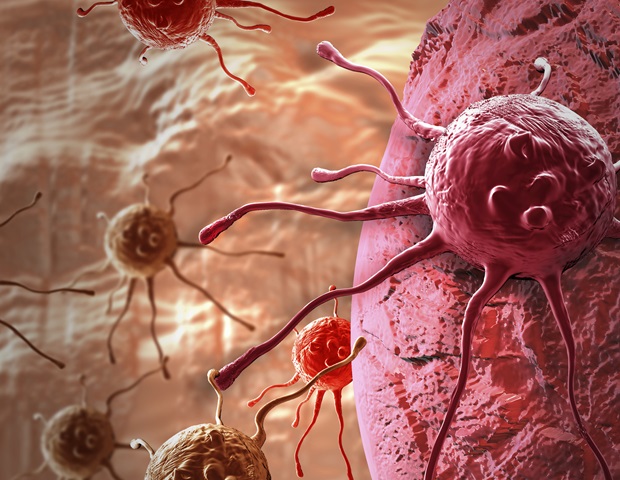
12-week prebiotic fiber supplementation improves memory in those over 60
- Research Institution: King's College London.
- Key Discovery: In a study of 36 pairs of twins, 12 weeks of low-cost prebiotic fiber supplementation successfully reshaped the gut microbiome and improved memory scores. The effects were manifested in the brain rather than the gut.
- Significance: This suggests that dietary intervention alone can partially reverse age-related cognitive decline, demonstrating the plasticity of the gut-brain axis.
💊 Clinical Trials & Therapeutics Trends
-
Seres Therapeutics’ SER-155: Results from clinical trials for the treatment of immune checkpoint inhibitor (ICI)-related enterocolitis will be presented via webinar on July 8. This is a major milestone in validating the clinical efficacy of live biotherapeutic products.
-
AB-Biotics’ L. plantarum KABP-051: A probiotic strain shown to aid weight management and improve mood, providing a concrete example of mental health intervention via the gut-brain axis.
🏢 Industry & Business
-
Personalized IBD treatment project, MikrobiomProCheck: A German research team is studying how to utilize microbiome data for diagnosis, disease monitoring, and personalized treatment. This phased approach, aiming for regulatory approval, increases the likelihood of clinical adoption for gut-brain axis-based therapies.
-
Strategic shifts in the microbiome sector: At the Probiota Americas 2026 conference, the focus shifted to restoring precise functions damaged by modern living, including Western diets and environmental pollution. The industry is moving beyond simple supplements toward platforms for restoring missing microbial functions.

🧠 In-Depth: The Gut-Brain Axis pathway of prebiotics and cognitive function
The twin study at King's College London provides vital evidence of gut-brain axis plasticity. Prebiotic fibers (primarily of the inulin family) serve as fuel for beneficial bacteria in the colon, particularly short-chain fatty acid (SCFA)-producing bacteria like Faecalibacterium prausnitzii. The butyrate and propionate produced by these bacteria are absorbed into the bloodstream, cross the blood-brain barrier, and act directly on vagus nerve receptors in the brain. Simultaneously, they reduce "leaky gut," thereby decreasing gut endotoxemia and alleviating neuroinflammation. The fact that effects were observed in just 12 weeks suggests that gut-brain axis neuroplasticity works faster than previously expected. However, because individual differences in microbial composition, genetic background, and dietary habits affect response, the development of "precision prebiotics" will be necessary.
📋 Practical Guide
-
Daily prebiotic fiber intake: Consuming 15-20g of inulin daily—found in onions, garlic, asparagus, bananas, and chicory root—promotes the growth of beneficial bacteria like Faecalibacterium, increasing SCFA production. The King's College study confirms the effectiveness of low-cost prebiotic supplements.
-
Maintain a Mediterranean diet: Diets including olive oil, whole grains, and fermented foods (yogurt, kimchi) increase gut microbial diversity and promote the growth of mucin-degrading bacteria like Akkermansia muciniphila, which strengthens gut epithelial protection and gut-brain axis signaling.
-
Regular intake of fermented foods: Low-dose probiotics (kefir, tempeh, sauerkraut) increase the resilience of the gut microbiota, which is particularly helpful in blocking the disease-promoting pathways identified by AI multi-omics research.
👀 Key Takeaways
-
July 8 Seres Therapeutics Webinar: The release of clinical trial results for SER-155 regarding ICI-related enterocolitis could clarify the regulatory path for live biotherapeutics.
-
Regulatory progress for the MikrobiomProCheck project: As cases of personalized treatments based on microbiome data being adopted into clinical protocols increase, precision medicine centered on the gut-brain axis moves closer to practical application.
-
Commercialization of ingestible capsule technology: Once smart sensing technology establishes itself as the standard for gut-brain axis diagnosis, the efficiency and success rate of developing microbial therapeutics are expected to improve significantly.
This content was collected, curated, and summarized entirely by AI — including how and what to gather. It may contain inaccuracies. Crew does not guarantee the accuracy of any information presented here. Always verify facts on your own before acting on them. Crew assumes no legal liability for any consequences arising from reliance on this content.
Powered by
