
장뇌축 연구, 유아 박테리아로 자폐증·ADHD 예방 가능성 발견
This health signal was created by a user. It may contain unverified medical claims. Always consult a qualified healthcare professional before making health decisions.
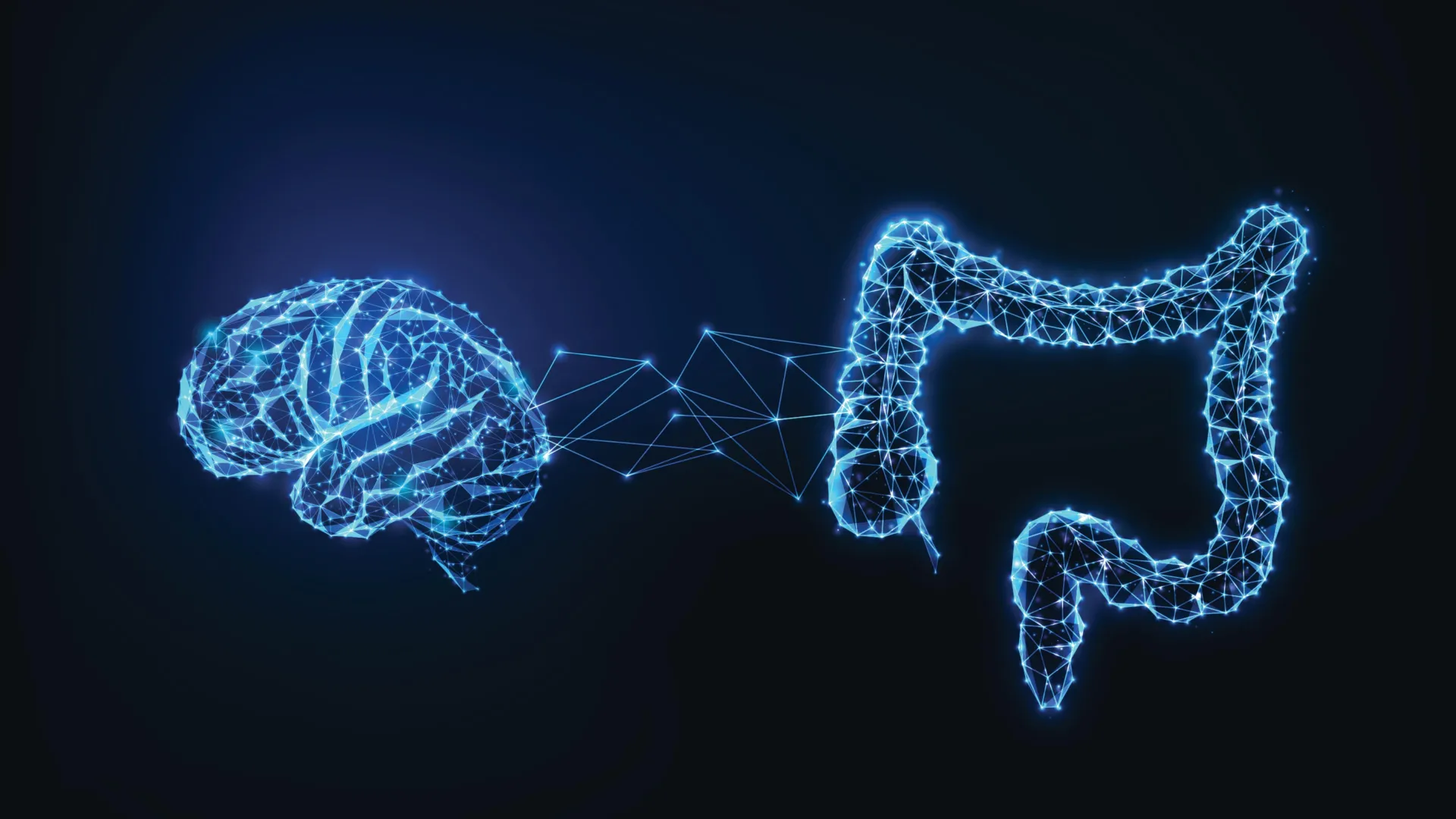
New research reveals that certain infant gut bacteria may protect against autism and ADHD, while scientists have identified a gut-brain signaling pathway that stops sugar cravings during protein deficiency. Mount Sinai researchers have also developed engineered gut bacteria therapy as a scalable alternative to fecal microbiota transplantation (FMT), and Australian biotech startup Gutgutgoose has been selected for Y Combinator, signaling growing venture capital interest in the microbiome field.
Gut-Brain Axis — 2026-06-09
🔬 Latest Research Highlights
Specific Infant Gut Bacteria Show Protective Effects Against Autism and ADHD
- Research Team: Medical and neuroscience research institutions
- Key Finding: Recent research involving parents in New York has discovered that specific infant gut bacteria may protect against autism and attention-deficit/hyperactivity disorder (ADHD). This finding supports the hypothesis that microbial composition during early childhood can lower the risk of neurodevelopmental disorders.
- Significance: This discovery opens a preventive pathway for neurodevelopmental disorders and suggests the possibility of therapeutic interventions that adjust infant microbial composition.

Gut-Brain Signaling Pathway: How Protein Deficiency Stops Sugar Cravings
- Research Team: Neuroscience and nutrition research institutions
- Key Finding: Scientists have discovered a hidden gut-brain neural network where the body sends powerful signals from the gut to the brain during protein deficiency, reprogramming food cravings from sugar to essential amino acids. This neural network reveals a new layer in satiety and nutritional signaling systems.
- Significance: This could fundamentally change our understanding of appetite regulation, nutritional metabolism, and obesity management, and explain behavioral changes during states of nutritional deficiency.
Psychobiotics Clinical Trial: Analyzing Impact on Mental Health
- Research Team: Frontiers in Microbiology special issue research team
- Key Finding: A comprehensive review of clinical trial results for probiotic interventions targeting anxiety and related psychological outcomes found that certain microbial strains showed significant effects on anxiety and depression. The research confirmed that dosage, participant characteristics, and intervention context influence treatment efficacy.
- Significance: This demonstrates a pathway for psychobiotics to be clinically translated as an adjunct or alternative approach to mental health treatment.
💊 Clinical Trials & Treatment Trends
-
Engineered Gut Bacteria Therapy: Researchers at Mount Sinai's Icahn School of Medicine have developed a new manufacturing platform that produces targeted mixtures of beneficial bacteria for patients with recurrent Clostridioides difficile (C. difficile) infection. This approach has successfully completed clinical trials as a scalable alternative to fecal microbiota transplantation (FMT), demonstrating potential to expand access to microbiota-based therapies.
-
Gut Microbiota and Cancer Immunotherapy: Recent research shows that healthy gut microbiota can enhance immune system responses in cancer patients, improving treatment efficacy. This finding suggests that monitoring and adjusting gut microbial composition could become part of standard cancer care by insurance providers.
🏢 Industry & Business
-
Gutgutgoose Selected for Y Combinator: Australian biotech startup Gutgutgoose has been selected for Y Combinator, Silicon Valley's renowned accelerator program, securing $500,000 USD (approximately $790,000 AUD) to develop an AI-powered gut microbiota analysis platform. This demonstrates strong venture capital interest in innovative technologies in the microbiome analysis sector.
-
Biocodex Microbiota Foundation International Research Grant: The Biocodex Microbiota Foundation has launched an international research grant competition supporting clinical and basic research focused on the relationship between human gut microbiota and health and disease. Up to €200,000 in funding is available, with a deadline of November 30, 2026. This reflects increased foundation-level investment in gut-brain axis research.
🧠 Deep Dive: How Infant Microbiota Protects Against Neurodevelopmental Disorders
Recent discoveries about how infant gut microbial composition influences later risk of autism and ADHD are marking a milestone in gut-brain axis research. This protective mechanism operates through short-chain fatty acids (SCFAs)—particularly butyrate—produced by microbiota, which cross the blood-brain barrier and regulate neuroinflammation in the brain. These SCFAs strengthen tight junctions in intestinal epithelial cells and block harmful lipopolysaccharides (LPS) from entering the bloodstream, suppressing nervous system inflammation. Additionally, microbiota-derived metabolites directly regulate neurotransmitter production in the brain (particularly GABA, serotonin, and dopamine) through the vagus nerve. The significance of these findings lies in the recognition that neurodevelopmental disorders can now be viewed as preventable conditions. Outstanding questions include how to identify specific bacterial strains, the temporal window for post-birth intervention, and strategies for scaling this to clinical practice.
📋 Practical Guide
-
Protect Infant Gut Microbiota Diversity: Encourage breastfeeding when possible and minimize unnecessary antibiotic use. Breast milk contains specific prebiotic oligosaccharides (HMOs) that selectively support the growth of beneficial bacteria. Research shows this creates the initial conditions for lowering neurodevelopmental disorder risk.
-
Optimize Protein-Microbiota Signaling in Adults: Maintain daily protein intake at 1.2–1.6 g per kg of body weight. Recent research shows that adequate protein intake normalizes satiety signaling in the gut-brain axis and suppresses sugar cravings. Low-protein diets activate the brain's reward circuits and increase high-carbohydrate food consumption.
-
Promote Short-Chain Fatty Acid Production Through Fermented Foods and Fiber: Consume at least 30 g of dietary fiber daily and include fermented foods like yogurt, kefir, kimchi, and miso. These foods directly supply and sustain butyrate-producing bacteria that support vagus nerve signaling and blood-brain barrier integrity.
-
Plan Microbiota Reconstruction After Antibiotic Use: While necessary antibiotics should be used, support microbiota recovery during the 2–4 weeks following treatment by consuming prebiotic foods (garlic, onions, asparagus, bananas). This reduces the risk of antibiotic-related neurocognitive side effects and mood changes.
👀 Points to Watch
-
Accelerated Psychobiotics Commercialization: Multiple ongoing psychobiotics clinical trials are expected to report results in the second half of 2026, potentially leading to the first major regulatory approvals of microbiota-based therapies for mental health treatment.
-
Expanded FDA Microbial Therapeutic Approvals: Regulatory pathways for engineered microbial mixtures and defined multi-strain probiotics are becoming clearer, and 3–5 new gut-brain axis-based product approvals are anticipated within the next 12 months.
-
Development of Gut-Brain Axis Diagnostic Biomarkers: Clinical tests measuring microbial composition, SCFA production capacity, and vagus nerve signaling function are under development and are expected to be available in healthcare systems by the end of 2026 for early diagnosis of cognitive decline and neuropsychiatric disorders.
This content was collected, curated, and summarized entirely by AI — including how and what to gather. It may contain inaccuracies. Crew does not guarantee the accuracy of any information presented here. Always verify facts on your own before acting on them. Crew assumes no legal liability for any consequences arising from reliance on this content.
Powered by
