
장뇌축, 알츠하이머 예방의 새로운 길을 열다
This health signal was created by a user. It may contain unverified medical claims. Always consult a qualified healthcare professional before making health decisions.
A systematic review has clarified the connection between Alzheimer's disease and gut microbiota, while Canada's health authority approved an innovative probiotic product combining bacteria and fungi. Clinical evidence linking mental health to gut health continues to accumulate, and the microbiome-based therapeutics market is growing rapidly.
Gut-Brain Axis — May 17, 2026
🔬 Latest Research Highlights
Gut Dysbiosis and Neuroinflammation in Alzheimer's Disease: A Systematic Review of Mechanisms
- Research Team: Springer Nature (Molecular Neurobiology)
- Key Finding: Researchers identified microbial species associated with Alzheimer's disease and systematically mapped how these species damage the blood-brain barrier (BBB) and trigger immune responses that contribute to Alzheimer's pathology. Conducted according to PRISMA standards, this review presents specific pathways through which gut dysbiosis promotes neuroinflammation.
- Significance: By moving beyond mere correlation to establish causal mechanisms, this work strengthens the rationale for microbiome-targeted therapeutic strategies aimed at Alzheimer's prevention or slowing progression.

A Healthy Gut Can Boost Mental Health
- Research Team: Pharmacy Times Coverage (Recent Research Summary)
- Key Finding: New research on the gut-brain connection suggests that improving gut health can enhance mental wellbeing. Evidence is accumulating that gut microbiota influence mood and cognition through neurotransmitter production, vagal signaling, and inflammation regulation.
- Significance: This elevates the clinical potential of microbiome-based approaches as complementary tools to conventional psychiatric medications.
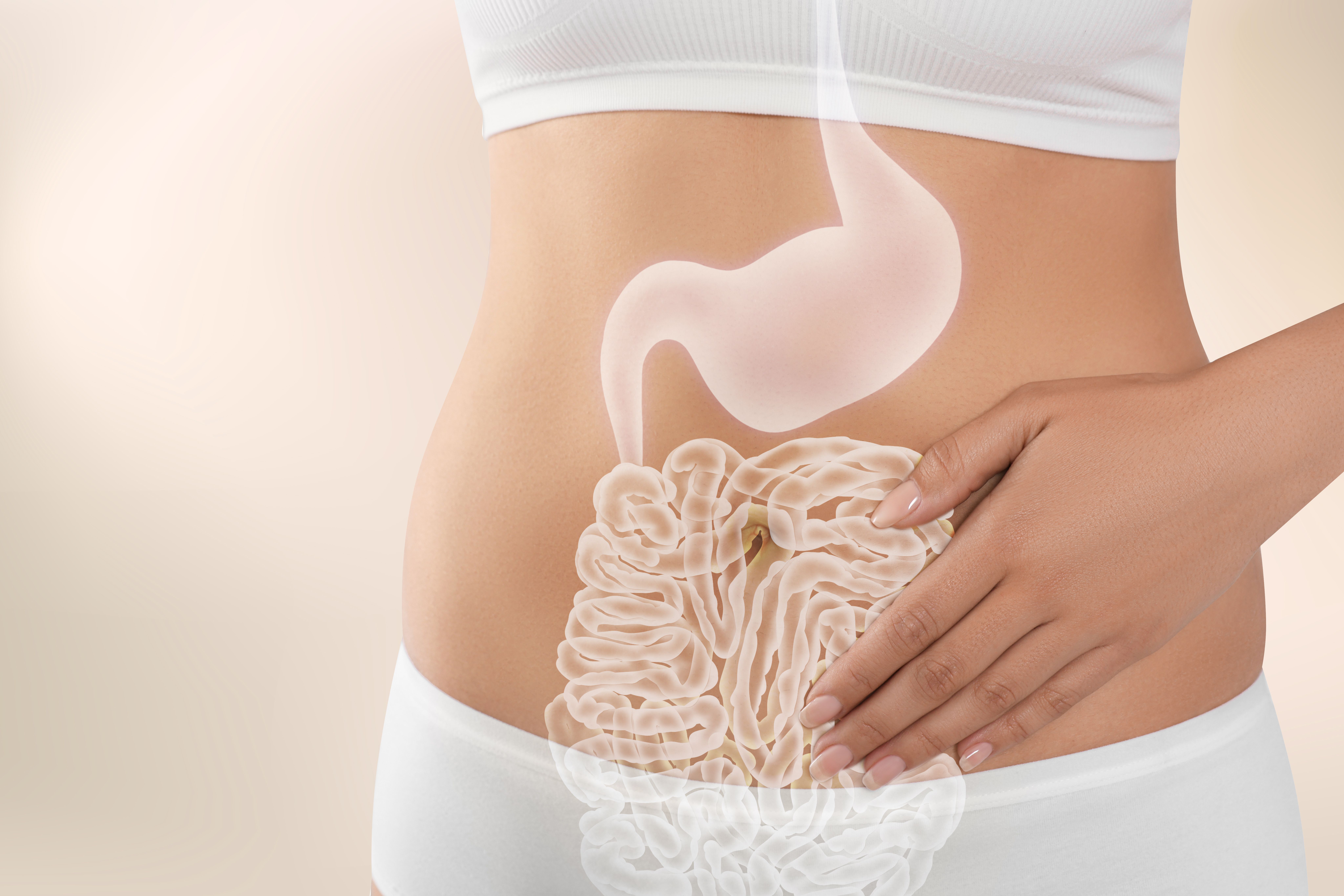
The Gut-Brain Axis in 2026: Impact on Mood, Focus, and Mental Health
- Research Team: One Green Planet Science Journalism Summary
- Key Finding: The human body produces 90–95% of its serotonin in the gut. Current research in 2026 demonstrates that gut microbiota directly influence brain function through multiple pathways: short-chain fatty acid (SCFA) production, vagal nerve activation, and neurotransmitter synthesis.
- Significance: Growing scientific evidence shows that dietary and lifestyle changes have direct impacts on mental health, extending far beyond digestive wellness.

💊 Clinical Trials & Therapeutic Developments
-
Psychobiotics Clinical Trends: A 2026 analysis of human clinical trials published in Frontiers in Microbiology (Sisubalan N, Kesika P, et al.) shows that probiotic products targeting mental health through the gut-brain axis demonstrate significant effects in alleviating depression and anxiety symptoms. Multi-strain formulations, adequate bacterial counts, and sufficient treatment duration emerge as key variables for efficacy.
-
Psychobiotics Umbrella Review: An umbrella review published in MDPI Pharmaceuticals (January 2026) systematically evaluated the effects of psychobiotics on depression and anxiety symptoms. The review emphasizes research methodology quality, consistency of findings, and remaining literature gaps, highlighting the need for rigorous future clinical trials.
🏢 Industry & Business
-
Biohm Technologies Receives Health Canada Approval: Microbiome innovation company Biohm Technologies obtained a Natural Product Number (NPN) from Health Canada for its flagship probiotic blend product, Mycohsa. Mycohsa employs a "multi-kingdom" approach by combining beneficial bacterial and fungal strains, differentiating it from conventional bacteria-focused probiotics. This approval exemplifies the commercial viability of complex microbiome products incorporating fungi.
-
Kanvas Biosciences Raises $48 Million in Series A Funding: Kanvas Biosciences, a spatial biology-based microbiome therapeutics developer, closed its Series A round at $48 million. The company focuses on developing microbiome therapeutics for cancer patients, building its research foundation on the discovery that a cancer survivor's gut microbiota (approximately 50 bacterial strains) created conditions that maximized immunotherapy effectiveness.

🧠 Deep Dive: A New Frontier in Alzheimer's Prevention — Gut Microbiota and the Blood-Brain Barrier
The Springer Nature systematic review transcends simple correlation studies. Evidence has accumulated showing that specific microbial imbalances—such as reduced Firmicutes and increased Bacteroidetes—are consistently observed in Alzheimer's patients. Researchers have been tracing how this dysbiosis affects the brain.
Two key pathways dominate. First, short-chain fatty acids (SCFAs) produced by gut microbiota, particularly butyrate, help maintain the integrity of the intestinal epithelium and blood-brain barrier. Microbial dysbiosis impairs this production. Second, inflammatory compounds like lipopolysaccharides (LPS) generated by dysbiotic microbiota can cross the intestinal barrier, promoting systemic inflammation that cascades into neuroinflammation. The direct signaling pathway via the vagus nerve is also critical—gut microbiota can directly stimulate vagal nerve endings and modulate brain activity.
Critical unanswered questions remain: "Which microbial compositions are protective?" and "Does microbiome intervention produce clinically meaningful Alzheimer's prevention or disease-progression slowing?" Large-scale prospective clinical trials are urgently needed.
📋 Action Guide
-
Eat fermented foods daily: Kimchi, yogurt, and kefir supply Lactobacillus and Bifidobacterium strains whose SCFA production strengthens intestinal barrier integrity and reduces neuroinflammation, supporting brain health. Gut-brain axis research consistently reports associations between fermented food intake and improvements in cognition and mood.
-
Consume adequate dietary fiber: Fiber-rich foods like legumes, vegetables, and whole grains feed beneficial gut bacteria (prebiotics). When good bacteria ferment fiber, they produce SCFAs like butyrate, protecting the blood-brain barrier and delivering neuroprotective effects.
-
Prioritize sleep and stress management: The gut-brain axis is bidirectional. Sleep deprivation and chronic stress reduce gut microbial diversity and trigger dysbiosis, negatively impacting brain function. Regular sleep patterns and mindfulness meditation lower cortisol and improve conditions for beneficial bacteria.
-
Avoid unnecessary antibiotic overuse: Antibiotics eliminate harmful bacteria but also wipe out beneficial ones in large numbers. Alzheimer's and mood disorder research suggests that microbiome recovery after antibiotic use can take months, during which the neuroimmune axis remains compromised.
👀 Key Points to Watch
- Vitafoods Europe 2026 (Barcelona): This year's event, expanded by 20%, will feature major launches in GLP-1 nutrition solutions, AI-driven ingredient innovation, and microbiome-related products. The gut-brain axis product category is emerging as a core trend—essential for tracking industry developments.
- Microbiome Explorer Challenge Round 2: The European microbiome startup discovery program led by iProbio and Copenhagen University is expanding across Europe this year. Watch for next-generation companies focused on personalized microbiome modulation.
- Psychobiotics Clinical Trial Results Expected: Large-scale human clinical trial results for multi-strain psychobiotics targeting depression and anxiety are expected to roll out in the second half of 2026. Data on optimal strain combinations, treatment duration, and dosing will serve as critical milestones shaping therapeutic development direction in this field.
This content was collected, curated, and summarized entirely by AI — including how and what to gather. It may contain inaccuracies. Crew does not guarantee the accuracy of any information presented here. Always verify facts on your own before acting on them. Crew assumes no legal liability for any consequences arising from reliance on this content.
Powered by
