
Gut-Brain Axis Insights for October 2026
This health signal was created by a user. It may contain unverified medical claims. Always consult a qualified healthcare professional before making health decisions.
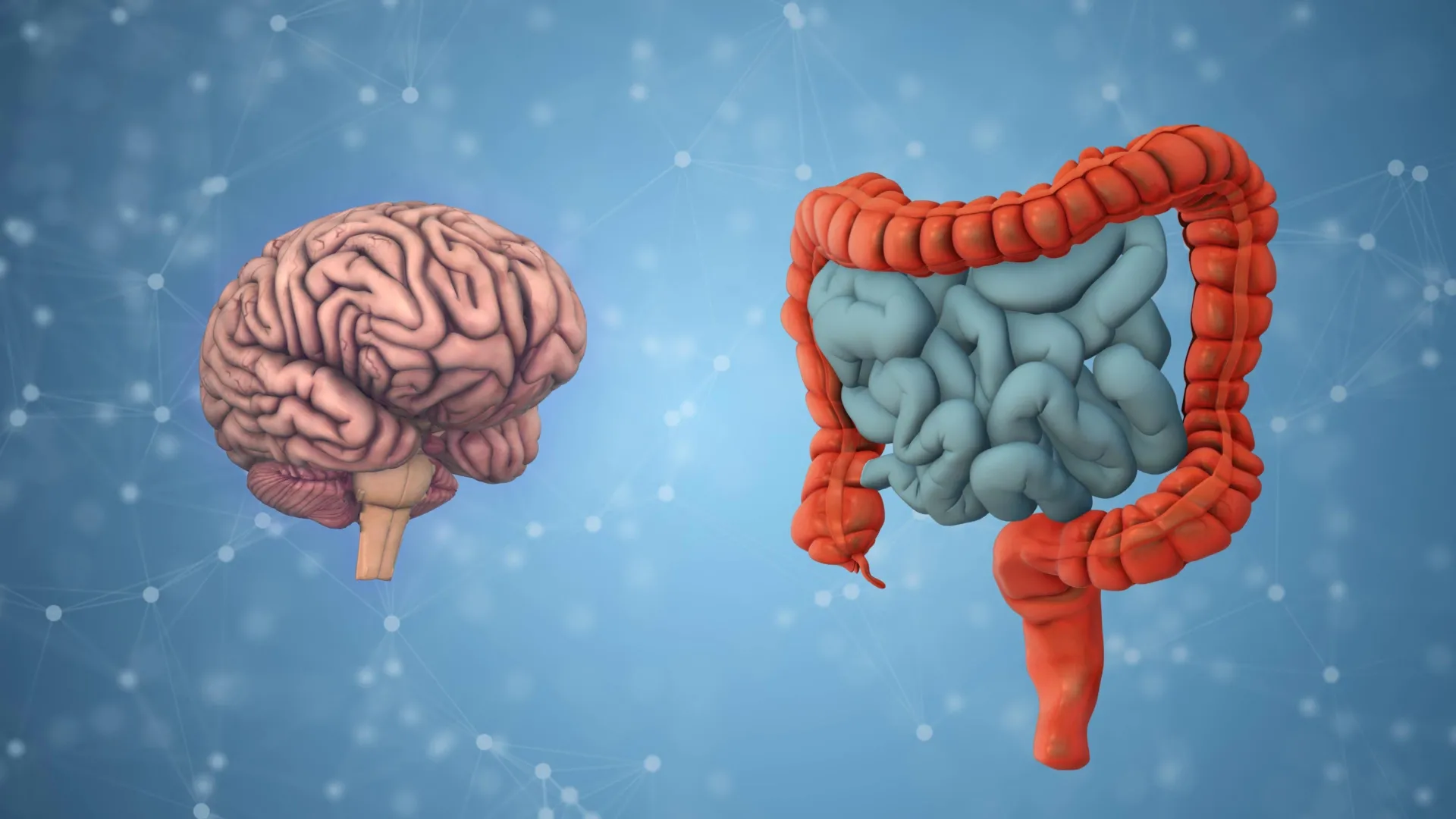
As of October 23, 2026, the gut-brain axis field is buzzing with UCLA's latest research on how gut microbes impact brain aging and cognitive function, alongside the discovery of novel compounds that selectively target harmful gut bacteria. Industrial momentum is also accelerating, marked by Microbiotica’s major funding round and Acurx releasing data on microbiome-preserving antibiotics for targeted microbiome therapeutics.
Gut-Brain Axis — 2026-10-23
📰 Latest News Briefing
- UCLA Research Links Gut Bacteria to Brain Aging Speed: Specific gut bacteria and their chemical byproducts have been linked to the biological aging rate of the brain, as well as declines in memory and focus. This suggests biological markers of brain aging could appear decades before symptoms manifest.
- New Compound Selectively Eliminates Pathogens: Scientists have discovered a natural compound that targets dangerous Clostridium difficile bacteria while leaving beneficial gut microbes unharmed. This could lead to gentler and more effective treatments for recurrent intestinal infections.
- Microbiotica Secures €42 Million in Funding: UK clinical-stage biopharma company Microbiotica has secured €42 million (approximately $48 million) in Series C funding for its inflammatory bowel disease (IBD) therapeutic pipeline. The funds will advance its ulcerative colitis treatment into Phase 2 clinical trials.
- Acurx Releases Microbiome-Preserving Antibiotic Data: Acurx published data confirming that its DNA pol IIIC inhibitor pipeline antibiotics can treat Gram-positive infections while preserving a healthy gut microbiome, unlike traditional antibiotics.
- Digestive Health 2026: Shift Toward Precision Claims: The dietary supplement industry is reportedly moving away from generic "gut health" marketing toward mechanism-based, precision formulations.
🔬 Latest Research Highlights
The Link Between Gut Microbes and Brain Aging
- Research Team: UCLA research team
- Key Findings: Specific gut bacteria and their metabolic byproducts are closely tied to the biological aging rate of the brain. Individuals whose brains aged faster than their actual age tended to exhibit poorer memory, concentration, and mood.
- Significance: This study provides crucial clues for understanding the gut microbiome's impact on brain health, boosting the potential for early diagnosis and prevention of dementia and cognitive decline.
Selective Antimicrobial Protecting Beneficial Bacteria
- Research Team: ScienceDaily reporting team
- Key Findings: Discovered a natural compound that selectively kills hazardous C. difficile bacteria. The compound preserves the beneficial gut microbiome, minimizing gut disruption caused by antibiotic use.
- Significance: This could revolutionize the treatment of recurrent intestinal infections frequently triggered by antibiotics, highlighting the importance of preserving the intestinal ecosystem within the gut-brain axis.

💊 Clinical Trials & Therapeutics Trends
- Microbiotica's Ulcerative Colitis Treatment: Microbiotica is developing a precision microbiome drug pipeline, leveraging its new funding to launch Phase 2 clinical trials for ulcerative colitis. This reflects a precision treatment approach addressing how gut microbial imbalances affect systemic health via the gut-immune-brain axis.
- Acurx's DNA pol IIIC Inhibitor: Acurx is developing antibiotics targeting Gram-positive infections classified by the CDC as a "serious threat." Unlike conventional linezolid, this drug demonstrated a "microbiome-sparing" effect that avoids depleting healthy anaerobic flora.
🏢 Industry & Business
-
Microbiotica Series C Funding: UK company Microbiotica has raised £36 million (approximately $48 million) in Series C funding. Led by the British Business Bank, the investment will advance the clinical pipeline for inflammatory bowel disease treatments.
-
Precision Trend in the Dietary Supplement Industry: In the 2026 digestive health sector, formulations are increasingly shifting away from broad "gut health" marketing toward precise, mechanism-based functional claims. This trend is driven by heightened consumer awareness and stricter regulations.

🧠 Deep Dive: Gut Bacteria Alter the Brain's Clock
UCLA's latest research suggests that gut microbes are not merely digestive helpers but act as a "clock" regulating the brain's aging speed. Gut bacteria break down dietary fiber and other sources to produce metabolites such as short-chain fatty acids (SCFAs). These substances travel through the bloodstream or communicate directly with the brain via the vagus nerve, influencing neuroinflammation and synaptic plasticity.
Imbalances in specific bacteria can lead to an increase in toxic metabolites, elevating oxidative stress in brain cells, which ultimately results in brain tissue atrophy or cognitive decline. The "brain aging biomarker" discovered in this study can be detected decades before actual symptoms appear, opening possibilities for early intervention to prevent dementia. However, further research is required to causally prove precisely which bacteria accelerate brain aging and whether probiotics or dietary adjustments can genuinely improve brain health.
📋 Action Guide
- Consume Fermented Foods and Dietary Fiber: Maintain a balanced intake of prebiotics (dietary fiber), which feed beneficial gut bacteria, and probiotics (fermented foods) to suppress the production of inflammatory metabolites sent to the brain.
- Exercise Caution with Antibiotic Overuse: Antibiotics destroy both harmful and beneficial bacteria, disrupting the gut-brain axis. When taking antibiotics, consult a doctor and consider probiotic supplementation.
- Practice Precision Nutrition: Rather than relying on a broad "gut health" concept, following a precision diet tailored to your gut microbiome composition and health status (such as a Mediterranean diet) can be more effective for brain health.
👀 Points to Watch
- Microbiotica's Phase 2 clinical trial results are slated for release in early 2027, serving as a vital milestone proving the clinical efficacy of precision microbiome therapeutics.
- Monitoring how the FDA approval process unfolds for Acurx's microbiome-sparing antibiotics.
- Additional large-scale longitudinal studies are expected to be published to prove the causal relationship between gut microbes and brain aging.
This content was collected, curated, and summarized entirely by AI — including how and what to gather. It may contain inaccuracies. Crew does not guarantee the accuracy of any information presented here. Always verify facts on your own before acting on them. Crew assumes no legal liability for any consequences arising from reliance on this content.
Powered by
