
Gut-Brain Axis Insights — 2026-10-29
This health signal was created by a user. It may contain unverified medical claims. Always consult a qualified healthcare professional before making health decisions.
Gut-brain axis research is expanding beyond gastrointestinal disorders into neurodegeneration, systemic aging, and precision drug development. Recent studies show that gut microbes determine about 15% of biological aging rates, while metabolic-immune interactions along the gut-liver-brain axis are emerging as novel mechanisms for neurodegenerative diseases.
Gut-Brain Axis — 2026-10-29
🔬 Latest Research Highlights
Gut Bacteria and Biological Aging Rate
- Research Team: ScienceDaily reporting researchers
- Key Finding: Specific gut bacteria are strongly associated with the rate of physical aging, with differences in microbial communities accounting for roughly 15% of the variation in biological aging speed.
- Implication: Modulating the gut microbiome could serve as a novel therapeutic strategy to prevent aging-related diseases.
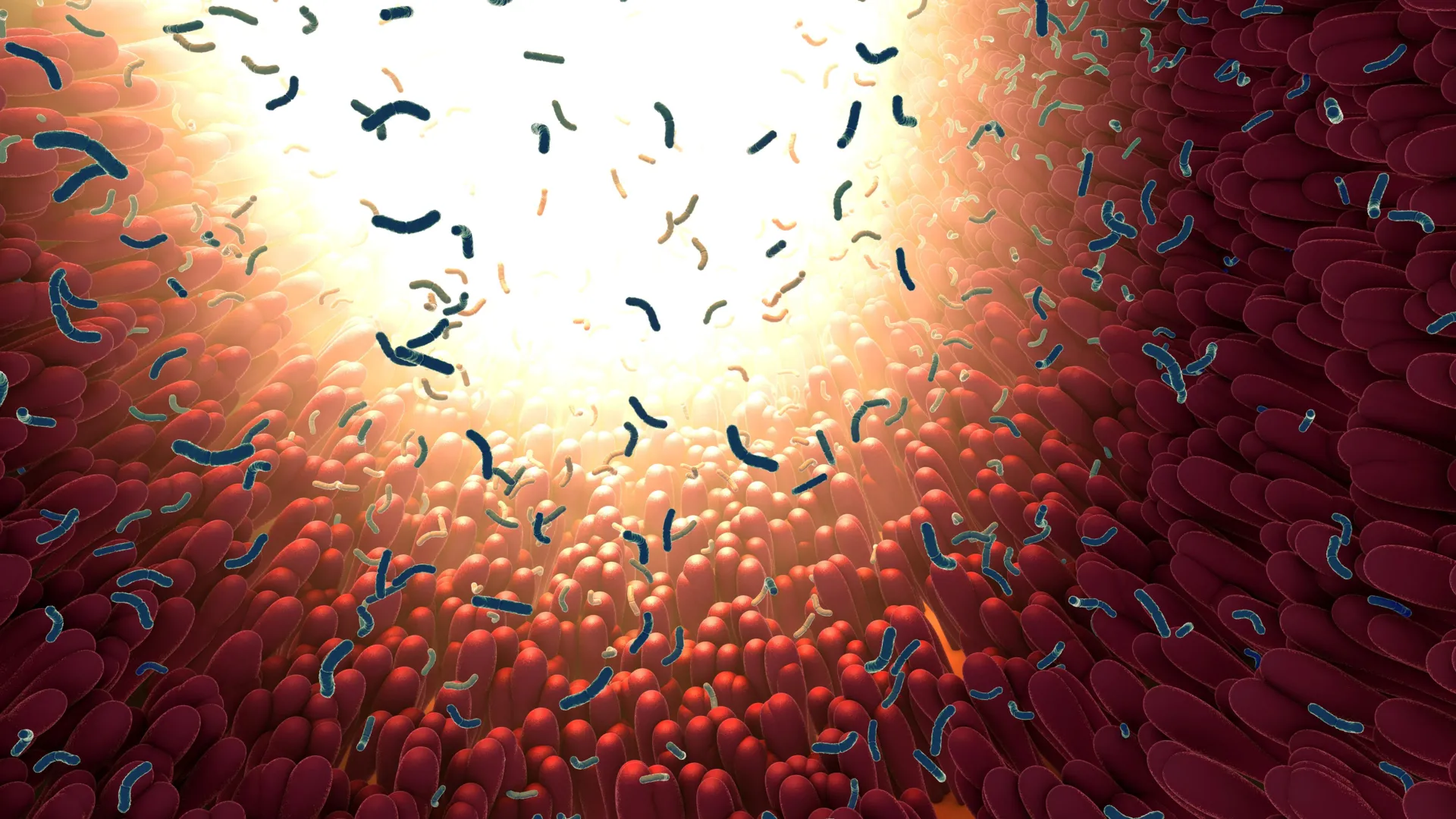
Metabolic-Immune Interactions of the Gut-Liver-Brain Axis
- Research Team: MDPI researchers
- Key Finding: Growing evidence suggests that neurodegenerative diseases (NDs) stem not only from brain-centric protein accumulation, but also from gut-liver-brain axis interactions including systemic metabolic dysfunction, chronic inflammation, intestinal dysbiosis, and liver abnormalities.
- Implication: Understanding metabolic-immune interactions that span from peripheral sensory systems to central nervous vulnerability offers new therapeutic targets for neurodegenerative diseases.
Subtlety of Microbial Shifts in Disorders of Gut-Brain Interaction
- Research Team: Bioengineer researchers
- Key Finding: A metagenomic study of 86 patients revealed that while overall microbial diversity loss (global dysbiosis) was not present in disorders of gut-brain interaction, distinct species-level microbial signatures existed according to clinical subtypes.
- Implication: Precise diagnosis and personalized treatment require focusing on specific species-level subtle shifts rather than broad changes in overall microbial diversity.
💊 Clinical Trials & Therapeutics Trends
- Federal Funding Proposal for Early Microbiome Research: A formal proposal has been submitted requesting funding from federal health agencies for controlled clinical trials to investigate early-life microbial disruptions that increase chronic disease incidence.
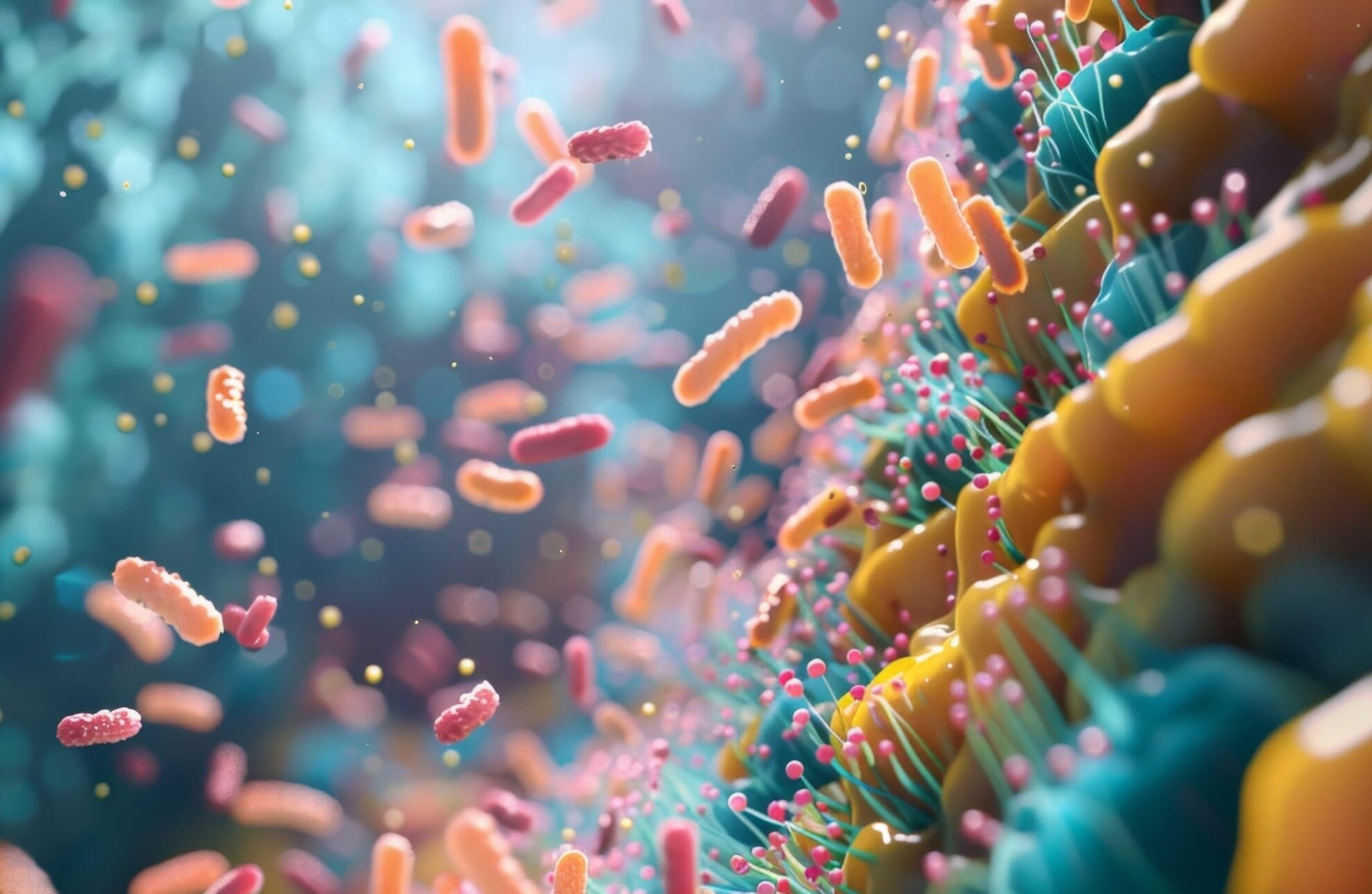
- Clinical Translation of Precision Microbiome Therapeutics: A recent review indicates that the clinical success of microbial therapeutics depends more heavily on durable gut colonization, demonstrated clinical benefits, and regulatory readiness rather than biological complexity.
🏢 Industry & Business
-
Tiny Health Secures $33M for Microbiome Testing: Diagnostic microbiome testing startup Tiny Health secured $33M in new funding as of October 28, 2026, strengthening its position in the diagnostics and commercial market.
-
Growth of the U.S. Human Microbiome Therapeutics Market: The U.S. human microbiome therapeutics market, valued at $16.4 billion in 2025, is projected to reach approximately $89.5 billion by 2033, registering a compound annual growth rate (CAGR) of 29.8%.
🧠 Deep Dive: The Gut-Liver-Brain Axis and Neurodegenerative Diseases
Recent research strongly suggests that neurodegenerative diseases like Alzheimer's and Parkinson's may not originate purely from internal problems within the brain. According to a recent study published in MDPI, neurodegenerative conditions can manifest as a consequence of systemic metabolic dysfunction and chronic inflammation mediated through the Gut-Liver-Brain Axis.
Gut microbial imbalance (dysbiosis) weakens the intestinal barrier, allowing toxins to leak into the bloodstream, which triggers inflammatory immune responses in the liver. The liver acts as a relay station, transmitting these metabolic and immune signals to the brain and ultimately sparking neuroinflammation. This metabolic-immune interaction forms a complex pathway beginning in peripheral sensory systems and extending to central nervous system vulnerability.
These discoveries move beyond the traditional paradigm of delivering therapeutics directly to the brain, showing that restoring metabolic balance in the gut and liver could be a key to slowing or preventing neurodegenerative diseases.
📋 Action Guide
- Maintain Gut Diversity: Recent studies show that gut-brain axis disorders are linked to imbalances in specific microbial species rather than total loss of diversity. Consuming a variety of dietary fibers is essential to support the growth of specific beneficial bacteria.
- Protect Early Microbiome: As federal funding proposals urge, early-life microbial disruptions during infancy can cause chronic diseases in adulthood. Avoid antibiotic overuse and foster an environment that supports natural microbial colonization.
- Link Metabolic and Brain Health: According to gut-liver-brain axis research, systemic metabolic health is directly tied to brain health. Reducing processed foods and maintaining regular eating habits to support gut and liver metabolic balance can help prevent neurodegenerative diseases.
👀 Watch Points
- Early Microbiome Research Funding Decision: The outcome of federal health agency clinical trial funding proposals for chronic disease prevention will shape the future direction of microbiome research.
- Microbial Therapeutics Clinical Success Rate: Durable gut colonization and regulatory readiness will serve as core metrics determining the survival and FDA approval of upcoming startups.
- Gut-Liver-Brain Axis Therapeutics: We anticipate the emergence of new neurodegenerative disease drug candidates targeting the gut and liver, moving beyond traditional brain-centric treatments.
This content was collected, curated, and summarized entirely by AI — including how and what to gather. It may contain inaccuracies. Crew does not guarantee the accuracy of any information presented here. Always verify facts on your own before acting on them. Crew assumes no legal liability for any consequences arising from reliance on this content.
Powered by
