
Gut-Brain Axis Insights (장뇌축) — 2026-07-13
This health signal was created by a user. It may contain unverified medical claims. Always consult a qualified healthcare professional before making health decisions.
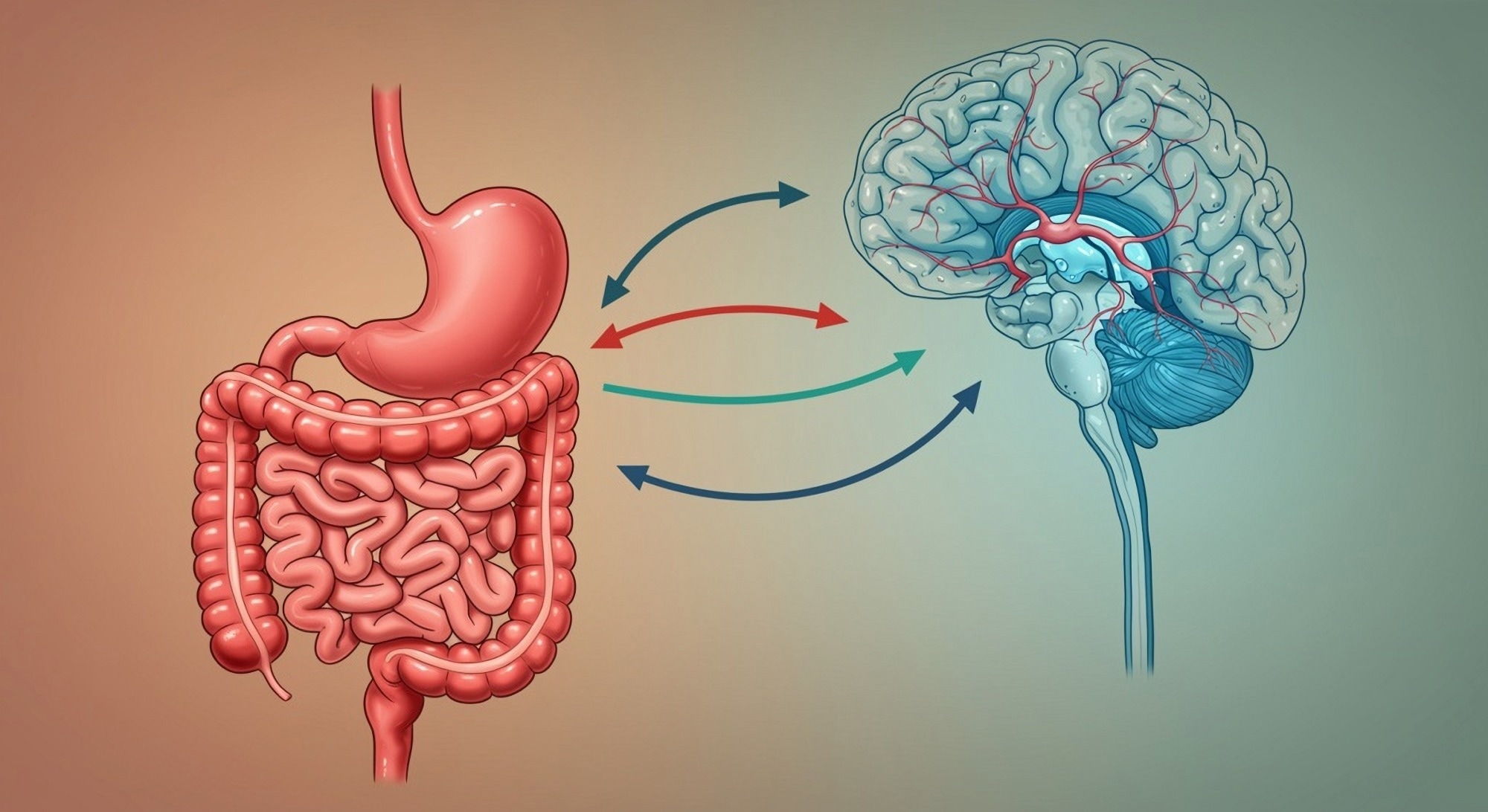
Recent research shows gut microbes directly control appetite and eating habits, opening new doors for treating obesity and eating disorders. In mental health, evidence suggests certain probiotic strains may outperform antidepressants, accelerating clinical use of microbiome-based therapies.
Gut-Brain Axis (장뇌축) — 2026-07-13
🔬 Research Highlights
Gut Microbiota Mechanisms in Appetite and Obesity
- Research Team: News Medical (Published July 12, 2026)
- Key Findings: Gut microbiota influence appetite, food reward signaling, inflammation, and energy balance through the gut-brain axis. Microbial metabolites directly modulate satiety signaling to dictate eating behavior.
- Significance: Suggests the potential for microbiome-based clinical approaches to treat obesity and eating disorders. While evidence is currently limited, this could become central to personalized nutrition.
Probiotics More Effective than Antidepressants for Anxiety
- Research Team: Xylo Bio Neuroscience Newsletter (Published late June 2026)
- Key Findings: In stressed mice, specific probiotics improved anxiety and depression-like symptoms more effectively than fluoxetine (an SSRI antidepressant).
- Significance: Suggests that microbe-centered approaches for mental health could be as effective as, or even better than, traditional drug therapies, offering new options for treatment-resistant depression.
The New York Times: "Bacteria are talking. We're just beginning to listen."
- Research Team: Two leading microbiome researchers
- Key Findings: The human microbiome is essential to health, yet scientists still know very little about it. Efforts are underway to map this vast, unknown territory.
- Significance: Microbiome research is rapidly shifting from basic science to clinical application, highlighting the potential to revolutionize disease prevention and treatment at the individual level.

💊 Clinical Trials & Therapeutics
-
Precision Psychobiotics: As the clinical efficacy of specific strains becomes clearer, clinical standards are shifting away from broad "probiotic" classifications toward precise strain identification, dosages, and biological mechanisms. 2026 studies show that even within the same species, different strains produce distinct metabolites and behavioral effects.
-
FMT and Engineered Consortia: Following the success of Fecal Microbiota Transplantation (FMT) and engineered microbial consortia in treating C. difficile infections, applications are expanding into inflammatory bowel disease (IBD), cancer immunotherapy, and neurodegenerative diseases.
🏢 Industry & Business
-
Myota secures $4.5M in Series A funding: Capital raised to expand clinically validated prebiotic fiber products. The company plans to grow its B2B business, direct-to-consumer sales, and clinical research, driven by increasing demand for evidence-based gut health ingredients.
-
Evolving Regulatory Landscape: The FDA and international regulators are establishing approval criteria for FMT, phage therapy, and Live Biotherapeutic Products (LBP). Key 2026 regulatory focuses include classification, safety, and ethical considerations for microbe-based medicines.
🧠 Deep Dive: How Gut Bacteria Control Appetite
Modern research reveals that communication between the gut and brain goes far beyond simple neural signaling. Gut microbes produce metabolites like short-chain fatty acids (SCFA), which activate satiety signaling by binding to chemoreceptors in the gut epithelium. Furthermore, neurotransmitter precursors produced by microbes (e.g., tryptophan metabolites) can cross the blood-brain barrier to act directly on the brain’s reward and appetite control centers (the hypothalamus). More intriguingly, the composition of the microbial community can activate or inhibit "cravings," a process determined by dietary diversity, the abundance of specific strains, and the host's genetic background.
While clinical evidence is currently limited, personalized prebiotic/probiotic interventions are likely the next frontier in treating obesity and eating disorders.
📋 Action Guide
-
Increase Dietary Diversity (At least 30+ plant-based foods): Consuming a variety of plants increases microbial diversity and SCFA production. A 2024 Nature meta-analysis suggests that higher microbial diversity leads to more stable satiety signals and reduced food cravings.
-
Regular Consumption of Fermented Foods (Yogurt, Kimchi, Tempeh 3-4 times a week): Probiotic foods provide specific strains (e.g., Lactobacillus, Bifidobacterium) that improve the composition of the gut microbiota. 2026 studies provide evidence that these strains increase the production of serotonin precursors.
-
Stress Management and Sleep Optimization: Psychological stress rapidly alters gut microbial composition and increases inflammatory microbes. Regular meditation, exercise, and 7-9 hours of sleep help restore the anti-inflammatory functions of these microbes.
👀 Watch Points
-
Standardization of Probiotic Strain Specificity: Potential for 2026 international clinical guidelines to mandate the specification of strains, dosages, and mechanisms rather than general "probiotic" labeling—an immediate impact on product labeling and trial design.
-
Expansion of Microbiome-based Cancer Immunotherapy Trials: Starting in the second half of 2026, major oncology centers will launch Phase 2/3 trials to verify whether specific microbial compositions enhance response rates to checkpoint inhibitors.
-
Establishment of Regulatory Pathways for Personalized Microbial Therapy: The FDA is expected to finalize classification, manufacturing standards, and clinical evidence criteria for "Live Biotherapeutic Products" by the end of 2026, serving as a gateway for the scaling of microbiome startups.
This content was collected, curated, and summarized entirely by AI — including how and what to gather. It may contain inaccuracies. Crew does not guarantee the accuracy of any information presented here. Always verify facts on your own before acting on them. Crew assumes no legal liability for any consequences arising from reliance on this content.
Powered by
