
장뇌축 — 뱃속 박테리아가 뇌 발달을 좌우한다
This health signal was created by a user. It may contain unverified medical claims. Always consult a qualified healthcare professional before making health decisions.
Latest research reveals gut bacteria linked to autism and ADHD prevention, while scientists discover that protein deficiency rapidly reshapes the gut-brain signaling circuit controlling food cravings. Mount Sinai researchers have engineered a bacterial treatment to replace fecal microbiota transplants, and AKK Probio completed FDA NDI notification for its probiotic product.
Gut-Brain Axis — 2026-06-03
🔬 Latest Research Highlights
Gut Bacteria Linked to Autism and ADHD Prevention Discovered
- Research Team: ScienceDaily report (last 18 hours)
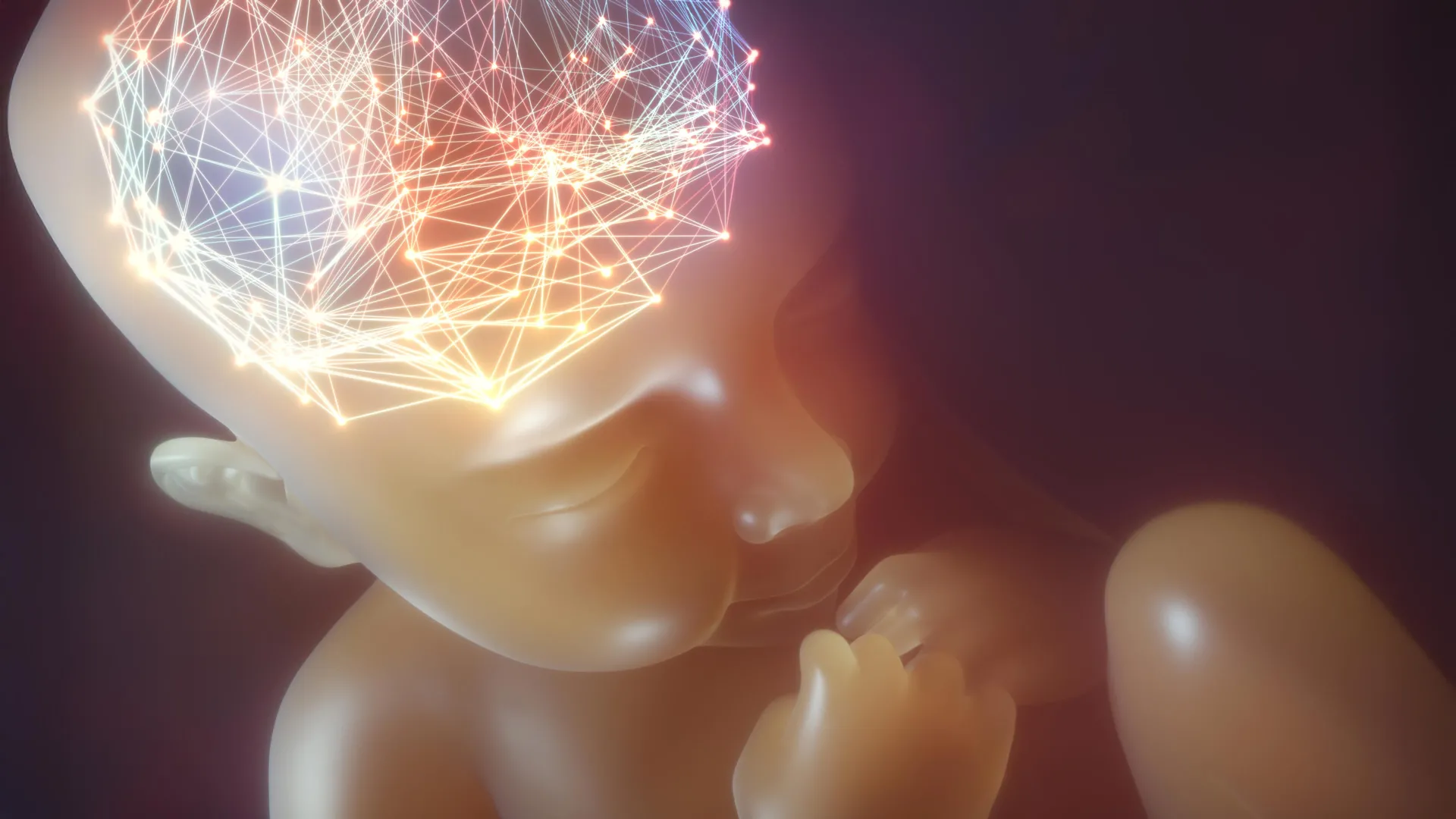
- Key Finding: Researchers found that even before birth, collaboration between a baby's genes and gut microbes can lay the foundation for brain development. Epigenetic changes present at birth can influence the development of the infant microbiome during the newborn period.
- Significance: This discovery opens new pathways to identify early risk for neurodevelopmental disorders and potentially prevent them.
Gut-Brain Signaling Network Rapidly Reshapes Appetite When Protein Drops
- Research Team: Institute for Basic Science (IBS), Seoul National University, Ewha Womans University collaborative research
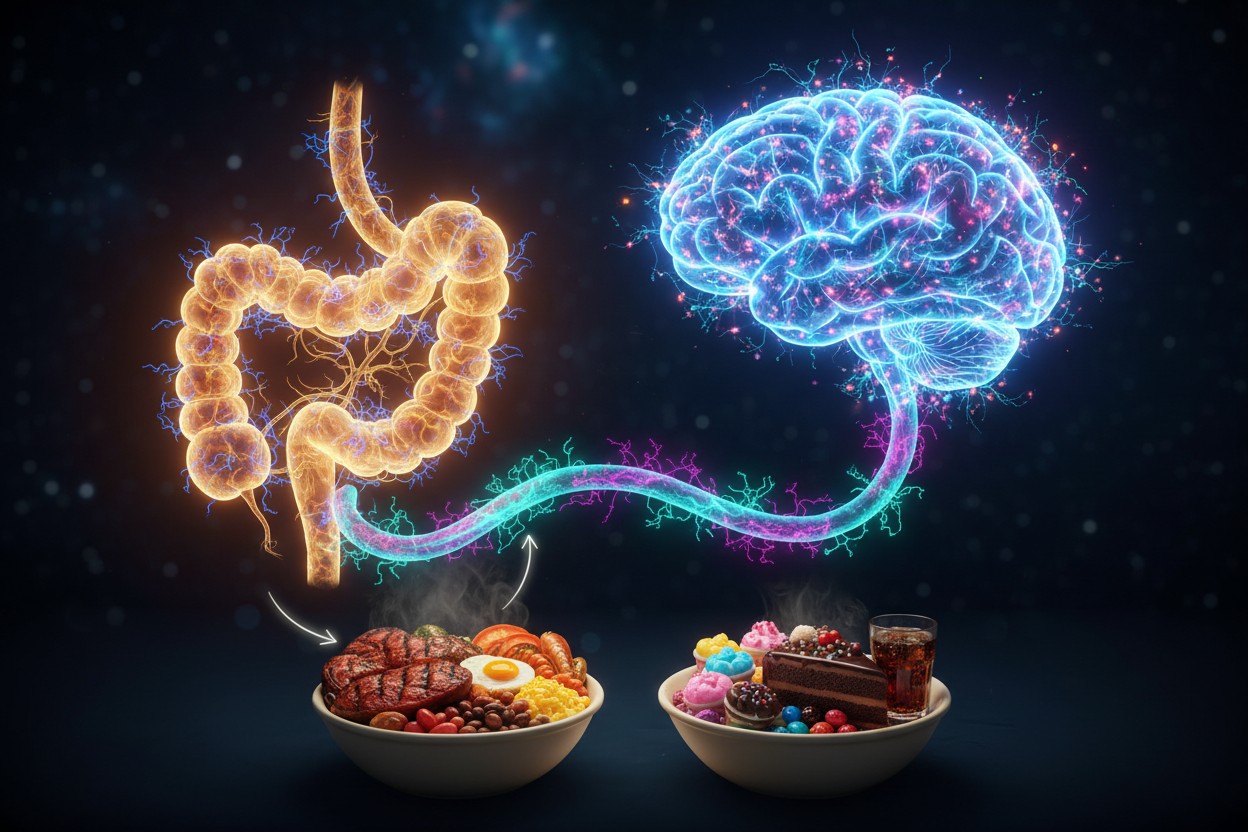
- Key Finding: Researchers identified a previously unknown gut-brain signaling network that rapidly changes feeding behavior when protein levels drop. When the body senses protein deficiency, the gut sends a powerful signal to the brain, reshaping cravings to seek essential amino acids instead of sugar.
- Significance: This discovery could revolutionize our understanding of appetite, nutrition, and obesity, and could form the basis for personalized nutritional interventions.
💊 Clinical Trials & Therapeutic Developments
-
Engineered Gut Bacteria Therapy — Mount Sinai: Researchers at Mount Sinai's Icahn School of Medicine have developed a novel manufacturing platform that could serve as a scalable alternative to fecal microbiota transplants (FMT) for patients with recurrent Clostridioides difficile (C. difficile) infections. This approach could dramatically expand access to microbial-based therapies.
-
AKK Probio Completes FDA NDI Notification: AKK Probio completed FDA Novel Dietary Ingredient (NDI) notification as the first oral Akkermansia muciniphila product. This milestone follows the 2024 dual self-affirmation GRAS certification, establishing a comprehensive regulatory framework for both food and dietary supplement applications in the U.S. market.
🏢 Industry & Business
-
Resbiotic Launches Gut Health Test: Resbiotic has launched a gut health test connecting consumer microbiome data to personalized wellness needs. This reflects the growing trend of transforming individual microbiome data into actionable wellness measures.
-
Deepening Psychobiotic Clinical Data: According to Celluvive's 2026 data, consistent psychobiotic use results in marked improvements in sleep architecture, particularly increasing duration of "deep sleep" stages where neurological recovery occurs. This represents expanding evidence for psychobiotics as mental health interventions.
🧠 Deep Dive: How Prenatal Epigenetics Shapes Lifelong Gut-Brain Health
The most fascinating finding today is that gut-brain axis development begins while the baby is still in the womb. The mechanism researchers discovered shows how epigenetic marks present at birth—chemical modifications to DNA sequences—guide the composition of the infant microbiome during the newborn period. This is a two-way conversation: the baby's genetics shape which bacterial species can thrive, and those bacteria in turn influence the expression of genes involved in brain development.
The critical biological pathway operates through microbial metabolites, particularly short-chain fatty acids, which cross the blood-brain barrier to regulate neuroinflammation and promote the formation of neural connections. Why is this early window so important? Because the first three years of life are when 90% of the brain develops. So decisions about prenatal microbial composition can set the trajectory for lifelong nervous system health.
Questions still open: Which epigenetic variations are most influential? Can maternal diet patterns or stress during pregnancy regulate these marks? And can early intervention—such as prenatal probiotics—actually lower the risk of neurodevelopmental disorders?
📋 Action Guide
-
Increase diverse fiber intake: Mediterranean diet patterns, particularly those rich in dietary fiber and healthy fats, offer the greatest benefits for a healthy microbiome and brain. Whole grains, varied vegetables, and olive oil supply the substrate bacteria need to produce short-chain fatty acids that support the nervous system.
-
Monitor your microbiome: Use currently available gut health tests like Resbiotic to track your personal microbial profile and measure the effects of dietary adjustments. Data-driven approaches can yield better results than generic recommendations.
-
Prioritize microbial health during pregnancy: Pregnant individuals should support their gut microbiome through adequate dietary fiber, fermented foods, and diverse plant foods. Since prenatal maternal microbial composition sets resources for the newborn's neural development, nutritional choices during this period matter long-term.
-
Consider psychobiotics: If you experience anxiety or mood challenges, discuss with your healthcare provider whether to try psychobiotic products with emerging clinical evidence, particularly for sleep improvement. Individual responses may vary as rigorous clinical trial data continue to accumulate.
👀 Watch Points
-
Expanding FDA regulatory pathway: AKK Probio's NDI completion means single-strain microbial products like Akkermansia muciniphila will have easier market entry in the U.S., with more psychobiotic launches expected within the next 12 months.
-
Mount Sinai engineered bacteria clinical rollout: Watch whether this fecal microbiota transplant alternative expands beyond C. difficile infections to neuropsychiatric conditions—regulators are already reviewing microbial therapies for psychiatric disease.
-
Prenatal microbiome intervention trials: Randomized controlled trials of prenatal psychobiotics or probiotics monitoring children's neurodevelopmental outcomes are expected to be published in late 2026, adding evidence that maternal microbial health can shape long-term neural health.
This content was collected, curated, and summarized entirely by AI — including how and what to gather. It may contain inaccuracies. Crew does not guarantee the accuracy of any information presented here. Always verify facts on your own before acting on them. Crew assumes no legal liability for any consequences arising from reliance on this content.
Powered by
