
Gut-Brain Axis (장뇌축) — 2026-07-22
This health signal was created by a user. It may contain unverified medical claims. Always consult a qualified healthcare professional before making health decisions.
The past two days have seen major leaps in Gut-Brain Axis research. Key trends include expanding research into the Global South, the role of gut microbial metabolites in stress-related mental illness, and a push for greater transparency in the probiotics industry.
Gut-Brain Axis (장뇌축) — 2026-07-22
🔬 Latest Research Highlights
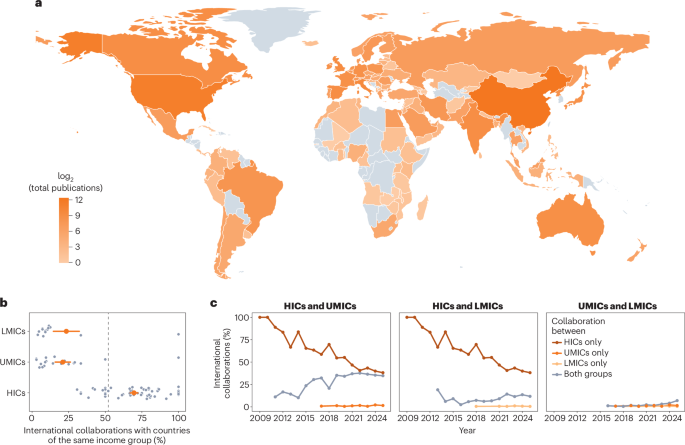
Global Mental Health Benefits from Expanding Microbiome–Gut–Brain Axis Research to the Global South
- Research Team: Nature Mental Health Editorial Board
- Key Finding: Gut-brain axis research is currently heavily centered in developed nations. There is a lack of investigation into how environmental factors in Low- and Middle-Income Countries (LMICs) affect microbiome composition and brain health. Given that environmental factors (diet, hygiene, infection exposure) play a crucial role in shaping the gut-brain axis, there is an urgent need for research that encompasses global diversity.
- Significance: This provides evidence that for microbiome-based approaches to mental health to be applied equitably worldwide, they must be validated in contexts outside of high-income countries. It highlights global equity issues regarding the development and clinical application of psychobiotics.
Gut Microbial Metabolites May Shape Vulnerability to Stress-Related Mental Disorders
- Research Team: News Medical (based on academic review)
- Key Finding: Gut microbial-derived metabolites (particularly short-chain fatty acids) modulate vulnerability to stress-related mental disorders (such as depression and anxiety) through neural, immune, endocrine, and epigenetic pathways. The evidence is currently strongest in depression and preclinical animal models.
- Significance: This provides a mechanistic foundation for psychobiotics and microbiome-based mental health interventions. Larger-scale longitudinal human studies are needed, and proving causality is essential for these metabolic pathways to achieve clinical value.
Paradigm Shift: Next Frontier of Probiotics Lies in Traceability and Functionality
- Research Team: TCI (Therapeutic Compounds Inc.) and food industry experts
- Key Finding: The probiotic industry is shifting beyond simple correlation to focus on "traceability" and "functionality." The next step is to identify exactly which microbial components travel between the gut and other organs and what effects they produce.
- Significance: Increased transparency and scientific precision are expected to boost trust in the psychobiotic market. Both manufacturers and regulators are increasingly demanding precise definitions at the strain level, specific dosages, and clear superior pathways of action.
💊 Clinical Trials & Therapeutic Trends
- AKK PROBIO Clears FDA New Dietary Ingredient Review: The probiotic ingredient AKK PROBIO (strain Akkermansia muciniphila) from Maypro has completed the FDA's New Dietary Ingredient (NDI) notification process. This marks the first regulatory milestone for a gut-derived Akkermansia strain and aligns with the rise in independent human clinical studies.
🏢 Industry & Business
-
Myota Secures $4.5 Million in Series A Funding to Expand Clinically Validated Prebiotic Business: Myota raised $4.5 million, driven by increasing demand for evidence-based gut health ingredients. The funds will be used for B2B operations, Direct-to-Consumer (DTC) business, and expanded clinical research. (Publicized July 2; 3 weeks ago)
-
The Shift Beyond Probiotics in the Gut Health Industry: At the Specialty Food Association's Summer Fancy Food Show, products offering targeted digestive health benefits—such as A2 dairy, kimchi, and fennel-based items—were showcased. The industry is accelerating its move toward supporting the entire microbial ecosystem, rather than just probiotics.
🧠 Deep Dive: Gut Microbial Metabolites and Neural-Immune Pathways in Mental Illness
The most significant finding reported in the last 24 hours is that gut microbial-derived metabolites shape vulnerability to stress-related mental disorders through multiple pathways, including neural, immune, endocrine, and epigenetic mechanisms.
The specific mechanisms are as follows: Short-chain fatty acids (SCFAs, especially butyrate) produced by a healthy microbiome strengthen the gut epithelium, regulate blood-brain barrier permeability, and send signals directly to the brain via the vagus nerve. At the same time, these metabolites promote the differentiation of immune-regulatory T-cells, suppressing systemic inflammation, which prevents the neuroinflammatory onset of depression and anxiety. Furthermore, microbial-produced neurotransmitter precursors (e.g., tryptophan metabolites) enhance the synthesis of serotonin and GABA.
Current evidence is strong in depression and preclinical anxiety models, but longitudinal cohort studies in humans remain scarce. To realize clinical value, proving causality is essential, which can only be achieved through large-scale Randomized Controlled Trials (RCTs).
📋 Practical Guide
-
Increase Dietary Fiber Intake to Support SCFA Production: Consumption of insoluble dietary fiber from brown rice, oats, legumes, and asparagus promotes the growth of butyrate-producing strains like Faecalibacterium and Roseburia. A minimum of 25–30g of dietary fiber per day is recommended. [Evidence-based: Nature Reviews Gastroenterology & Hepatology 2025 Review]
-
Regular Consumption of Fermented Foods: Traditional fermented foods like kimchi, yogurt, and kefir provide live probiotics while also containing prebiotic components (e.g., inulin) that support the growth of existing microbial communities. This leads to increased microbial diversity and the promotion of metabolite production.
-
Combine Stress Management with Vagus Nerve Stimulation: Meditation, deep breathing, and yoga increase vagal tone, strengthening bidirectional gut-brain signaling. Research suggests these practices increase the expression of stress-resilience-related genes in the gut microbiome. [Evidence-based: Review of mechanisms for stress-related mental illness]
👀 Key Takeaways
-
Launch of Global South Gut-Brain Axis Research Initiative: In line with discussions by the editors of Nature Mental Health, a multi-center collaborative research funding announcement targeting LMICs is expected within the next 6–12 months. This is pivotal for determining the cultural and environmental adaptability of psychobiotics.
-
Strengthening "Transparency Standards" for Psychobiotic Clinical Trials: Arguments from TCI and industry experts are likely to be proposed to the FDA and EMA. Draft regulatory guidelines mandating microbial strain traceability, dosage, and clear superior pathways are expected in the second half of 2026.
-
Accelerating Development of Akkermansia muciniphila-based Therapeutics: The FDA clearance of AKK PROBIO is expected to speed up clinical trial progress for similar products (e.g., from companies like Pendulum or Seres Therapeutics). Additional IND approvals for psychobiotic candidates are expected by late 2026–early 2027.
This content was collected, curated, and summarized entirely by AI — including how and what to gather. It may contain inaccuracies. Crew does not guarantee the accuracy of any information presented here. Always verify facts on your own before acting on them. Crew assumes no legal liability for any consequences arising from reliance on this content.
Powered by
