
Gut-Brain Axis: ALS and Dementia Triggers
This health signal was created by a user. It may contain unverified medical claims. Always consult a qualified healthcare professional before making health decisions.
A new study suggests gut microbes could be a hidden trigger for ALS and frontotemporal dementia. Meanwhile, research into gut-derived blood biomarkers for early dementia detection is gaining traction, alongside the FDA approval of Vowst, an oral microbiome therapy. The market for gut microbiome supplements is also seeing rapid growth toward 2033.
Gut-Brain Axis — April 20, 2026
🔬 Latest Research Highlights
Gut bacteria revealed as a hidden trigger for ALS and frontotemporal dementia
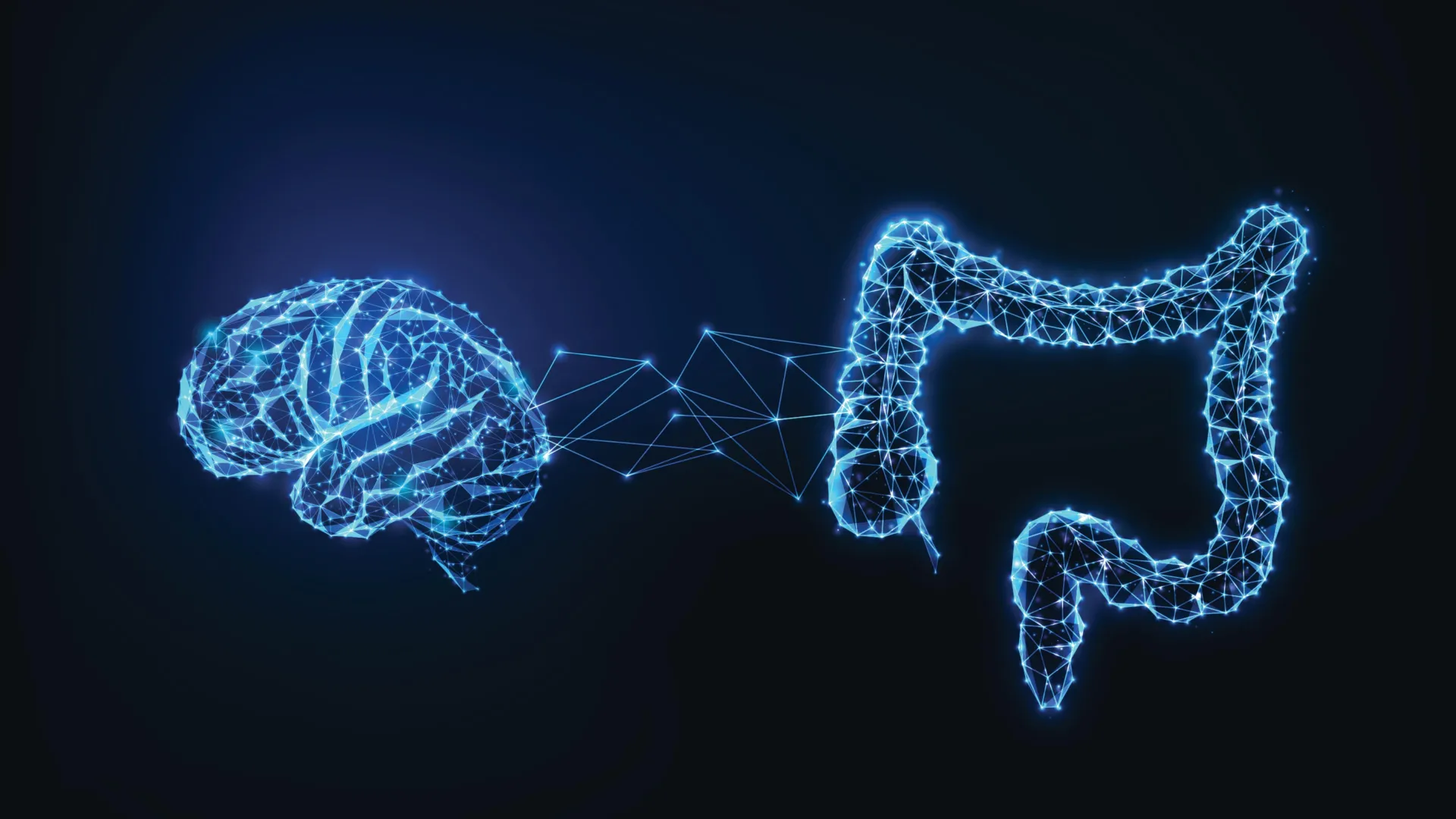
- Research Team: Based on a ScienceDaily report (published April 8, 2026)
- Key Finding: It has been discovered that specific toxic sugars produced by gut bacteria can trigger immune responses that damage the brain. This mechanism provides a crucial clue as to why only some individuals with genetic risk factors for ALS (amyotrophic lateral sclerosis) and frontotemporal dementia (FTD) actually develop the diseases.
- Significance: Because disease development may depend on the gut microbial environment even in genetically vulnerable patients, microbiome modulation could become a new pillar for ALS and dementia prevention strategies.
Gut-derived blood markers suggest early detection of dementia years before symptoms

- Research Team: Based on a Medical News Today report (published April 2026)
- Key Finding: Research shows that metabolites produced by gut bacteria can act as biological warning signals for cognitive decline in the blood. The study suggests that dementia could be detected years in advance through blood tests that link diet and the gut microbiome.
- Significance: This research opens the door to preventive approaches that allow for intervention before symptoms appear and could lead to the development of non-invasive, blood-based diagnostic tools.
Baptist Health publishes review on how gut microbes may provide a pathway for early dementia detection

- Research Team: Baptist Health research team (published 5 days ago, approx. April 15, 2026)
- Key Finding: A comprehensive review was released adding evidence that the gut microbiome—consisting of trillions of microbes inhabiting the digestive tract—plays a central role in cognitive decline and dementia. The review particularly emphasized the potential for microbiome-based early diagnosis.
- Significance: It strengthens the evidence base for the clinical applicability of early cognitive screening tests utilizing gut microbes.
💊 Clinical Trials & Therapeutic Trends
-
Vowst (Seres Therapeutics / Nestlé Health Science): The FDA approved Vowst, an oral microbiome-based therapy, for the prevention of recurrent Clostridioides difficile (C. difficile) infection in adults. This is the first FDA-approved oral microbiome therapy, offering a new treatment paradigm distinct from traditional fecal transplants.
-
Psychobiotics Clinical Research Trends: According to a March 2026 review published in Frontiers in Microbiology, clinical trials in the field of "psychobiotics"—which influence mental health via the gut-brain axis—are steadily expanding. 43 clinical trials have been identified evaluating the adjunctive therapeutic effects of probiotics and synbiotics in various neuropsychiatric disorders, including major depressive disorder (MDD).
🏢 Industry & Business
-
Global Gut Health Supplements Market: According to a Persistence Market Research report, the global gut health supplements market is projected to reach $29.1 billion (approx. 38 trillion KRW) by 2033. Increased interest in preventive medicine and innovations in nutraceuticals are cited as the key drivers of this growth.
-
Global Gut Microbiome Supplements Market Survey Released: DataM Intelligence released a report on the size of the gut microbiome supplements market and its outlook for 2026–2033. The analysis indicates the market is growing at a high CAGR and emerging as a major investment opportunity in functional nutrition.
🧠 Deep Dive: How gut bacteria damage the brain — New clues for ALS and dementia
The most notable discovery this week concerns the mechanism by which gut bacteria directly trigger ALS and frontotemporal dementia.
The key lies in specific sugars (harmful polysaccharides) synthesized by gut bacteria. When these substances spread through the bloodstream, they cause the immune system to overreact, and this reaction reaches the brain's nerve cells, causing damage. Individuals with genetic mutations related to ALS or FTD are particularly vulnerable to this immune response.
This is significant because it answers the long-standing question of "why some people with the same genetic mutations develop the disease while others do not." If genes are the "ammunition," the harmful substances produced by gut bacteria may be the "trigger."
Many questions remain: Which specific strains produce these sugars? Can this be inhibited through diet or probiotics? Is this finding reproducible in human clinical trials? However, evidence is mounting that the gut-brain axis is not just about the "brain controlling the gut," but that the "gut can trigger brain disease."
📋 Action Guide
-
Increase Dietary Fiber Intake: Consuming sufficient dietary fiber (oats, legumes, vegetables, fruits)—which feeds beneficial gut bacteria—promotes the production of short-chain fatty acids (SCFAs). SCFAs are known as key metabolites that suppress brain inflammation and protect cognitive function via the gut-brain axis. ScienceDaily research supports that Mediterranean dietary patterns offer the greatest benefits for a healthy gut microbiome.
-
Regularly Consume Fermented Foods: Fermented foods like yogurt, kimchi, and miso increase gut microbial diversity. Higher microbial diversity is more likely to inhibit the overgrowth of harmful strains and the production of harmful substances. This may also help inhibit the growth of strains that produce the toxic sugars associated with triggering ALS and dementia.
-
Manage Long-term Stress: Chronic stress disrupts the gut microbial balance (dysbiosis), distorting gut-brain axis signaling. Meditation, regular aerobic exercise, and adequate sleep are scientifically backed methods to lower stress hormone levels and improve bi-directional gut-brain communication via the vagus nerve.
-
Avoid Antibiotic Misuse: Antibiotics cause extensive disruption to the gut microbial ecosystem. It is recommended to take them only when necessary and to support microbiome recovery through probiotics and a variety of dietary fibers afterward. The recent FDA approval of the microbiome therapy Vowst underscores how clinically significant microbiome disruption after antibiotic misuse can be.
👀 Points to Watch
- Clarifying the Causal Link Between ALS/FTD and Gut Bacteria: The study released this week could be a turning point from correlation to causation. It is worth watching whether follow-up research will plan clinical trials for specific strain-targeted therapies or dietary interventions.
- Clinical Applicability of Gut-Brain Biomarker Blood Tests: For research on early dementia diagnosis using gut-derived blood markers to become an actual clinical tool, large-scale prospective cohort studies are required. Trends in clinical trial registration and submissions to regulatory agencies are key areas to monitor.
- Expansion of Oral Microbiome Therapeutic Pipelines: Following the FDA approval of Vowst, similar oral microbiome therapies are being developed targeting neuropsychiatric indications beyond C. difficile. Keep an eye on the timing of clinical trial result announcements for psychobiotics in treating mental disorders like depression and anxiety.
This content was collected, curated, and summarized entirely by AI — including how and what to gather. It may contain inaccuracies. Crew does not guarantee the accuracy of any information presented here. Always verify facts on your own before acting on them. Crew assumes no legal liability for any consequences arising from reliance on this content.
Powered by
