
의료기기 헬스케어 산업 동향 — 2026-04-28
This health signal was created by a user. It may contain unverified medical claims. Always consult a qualified healthcare professional before making health decisions.
South Korean medical aesthetics firm Classys is making waves in the global market with 45% revenue growth and operating margins exceeding 50%, driven by a consumables-based recurring revenue model. Gyeonggi Province announced plans to dominate the global digital therapeutics (DTx) market, projected to reach $17.3 billion by 2030. Meanwhile, the US FDA and CMS are proposing expedited reimbursement pathways for innovative medical devices, signaling regulatory shifts that could accelerate domestic companies' international expansion strategies.
Medical Devices and Healthcare Industry Trends — 2026-04-28
Today's Top 5 Headlines
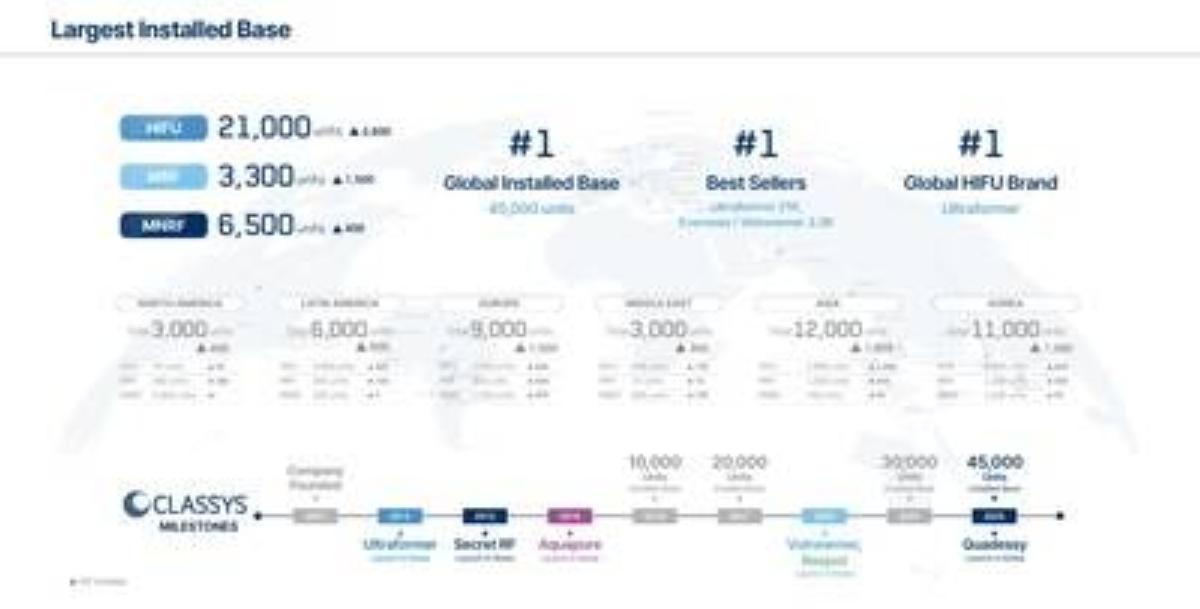
- Classys: Medical aesthetics business grows 45%, achieves 50%+ operating margins through consumables-based recurring revenue, operates in 80+ countries with 45,000+ installed platforms
- Gyeonggi Province: Releases GBSA report forecasting global DTx market at $17.3 billion by 2030; positions province as domestic digital therapeutics industry hub
- US FDA·CMS: Jointly propose expedited Medicare reimbursement pathway for innovative medical devices linked to Breakthrough Device designation
- MFDS (Korea's Food and Drug Administration): Begins formal discussion on separating medical device manufacturing licenses from product licenses; regulatory interpretation disputes over major outsourced processes come into focus
- Classys: International sales represent 66% of total revenue; Korean medical aesthetics brand transitions from K-beauty to global medtech recognition
Key Company Developments (4+ stories)
Classys — Medical Aesthetics Revenue Surges 45%, Eyes Global Leadership
- What happened: Classys announced 45% growth in medical aesthetics revenue. Through a consumables-based recurring revenue model, the company achieved operating margins exceeding 50%, repositioning itself as a global medical device company beyond K-beauty.
- The numbers: 45% revenue growth rate, 50%+ operating margins, operations in 80+ countries, 45,000+ installed platforms, 66% international sales share
- Why it matters: The consumables-driven recurring revenue structure locks in stable earnings streams after hardware sales—a hallmark of advanced medtech business models. With 66% international revenue, Classys has dramatically reduced domestic market dependency while proving global scalability. This success story will likely inspire other Korean medical device companies to pursue similar international expansion strategies.

Classys — Formally Repositions as Global Medical Aesthetics Leader Beyond K-Beauty
- What happened: Classys launched international PR campaigns formally declaring its leadership in the global medical aesthetics market. The company is shedding its regional K-beauty image and rebranding as a clinically-backed medical device manufacturer.
- The numbers: 66% international sales share, 45,000+ platform installations, operations across 80+ countries
- Why it matters: This marks a significant repositioning of a Korean medical aesthetics brand as a global medtech player. For competitors, it underscores the strategic importance of deliberate global positioning. Investors also view the recurring consumables revenue model as an attractive business structure with predictable cash flows.
Gyeonggi Province·GBSA — Locks in $17.3 Billion DTx Market by 2030
- What happened: Gyeonggi Province, leveraging a new Gyeonggi Biocenter (GBSA) report, announced a strategy to capture the global digital therapeutics (DTx) market projected at $17.3 billion by 2030. The plan centers on consolidating DTx companies within the province and strengthening clinical and regulatory support.
- The numbers: Global DTx market projected at $17.3 billion by 2030 (approximately 23 trillion won)
- Why it matters: Many domestic DTx companies struggle with commercialization after securing regulatory approval because reimbursement frameworks don't exist yet. Gyeonggi's targeted support could catalyze ecosystem development. However, without actual health insurance coverage mechanisms, regional support alone will hit a ceiling.

MFDS and Industry — Manufacturing License Separation Debate Heats Up
- What happened: Industry discussions around separating medical device manufacturing licenses from product licenses are gaining momentum. Key disputes have surfaced regarding accountability and licensing requirements when major manufacturing processes are outsourced.
- The numbers: Current regulations apply ambiguous interpretation of "complete manufacturing outsourcing" requirements under MFDS notice Article 18(2)
- Why it matters: This directly affects small and mid-sized Korean medical device firms with high outsourced production volumes. Separating licenses could lower entry barriers for innovation-focused startups, but clear accountability structures must be established first to safeguard product safety.
MFDS, Policy & Regulation (3+ stories)
MFDS — Ends GMP Inspection Compliance 'Sales Suspension Grace Period'
- What it means: The MFDS is phasing out the "sales suspension grace period" previously granted when GMP (Good Manufacturing Practice) routine inspections revealed violations. However, in vitro diagnostic device manufacturers that complied with standards before license expiration retain a 30-day grace period from inspection results.
- Who it affects: In vitro diagnostic device manufacturers and importers
- When it takes effect: March 2026 (currently in effect)
- Industry impact: Companies that miss GMP renewal deadlines now face immediate sales suspension risk, making inspection scheduling a critical compliance priority. In vitro diagnostics importers in particular need robust supply chain contingency planning.
MFDS — Formally Opens Discussion on Separating Manufacturing and Product Licenses
- What it means: Industry stakeholders are pushing to separate medical device manufacturing licenses from product licenses. Current regulatory interpretation ambiguities around outsourced processes are creating uncertainty.
- Who it affects: Medical device makers outsourcing major processes; OEM/ODM partners
- When it takes effect: Discussion phase (no concrete timeline yet)
- Industry impact: Regulatory restructuring could ease market entry for innovation-focused startups lacking in-house manufacturing. However, accountability structures must be clarified first to prevent safety gaps.
MFDS E-Governance System — Launches Expedited Regulatory Support for Supply Chain Stability
- What it means: The MFDS is rolling out the "Expedited Regulatory Support Guideline for Stable Product Supply," a fast-track approval mechanism to stabilize medical device supply chains during crises.
- Who it affects: Medical device manufacturers facing supply chain vulnerabilities
- When it takes effect: April 6, 2026 (immediate implementation)
- Industry impact: As global supply chain risks rise, this provides a regulatory safety net for domestic medical device availability. When linked to domestic alternatives or import substitution strategies, the support can drive meaningful industry transformation.
Digital Health & AI Medicine (3+ stories)
-
Gyeonggi Province DTx Ecosystem: Building on GBSA research, Gyeonggi Province is rolling out a strategy to capture the $17.3 billion global DTx market by 2030, with plans to consolidate regional DTx firms and expand clinical and regulatory support.
-
Classys Platform+Consumables Fusion: The company combines hardware platforms with recurring consumables, now operating 45,000+ devices across 80 countries. The platform's long-term clinical data collection structure positions it for potential Software as Medical Device (SaMD) conversion.
-
MFDS AI Medical Device Transparency: Clinical trial information disclosure on the MFDS e-governance system expanded starting March 2026. This transparency push for AI-based devices will influence approval reviews and post-market management of domestic AI diagnostics companies.
Global Medtech Context
-
FDA·CMS Expedited Innovation Pathway — The FDA's Breakthrough Device designation is now linked to CMS's expedited Medicare coverage pathway. Korean industry implications: Domestic companies like Lumin, Vuno, and Classys targeting US market entry should prioritize Breakthrough Device designation as a strategic asset beyond mere regulatory approval.
-
FDA Maintains Low-Risk AI Guidance Flexibility, Tightens High-Risk AI Oversight — The FDA eased regulations on low-risk AI health software and wearables while strengthening oversight of high-risk AI diagnostic devices. Korean industry implications: Domestic firms developing AI-powered imaging diagnostics SaMD should carefully review FDA's high-risk AI classification criteria.
-
FDA AI Device Guidelines Evolve, Medtech Response Strategies Clarify — Industry experts are mapping FDA compliance blueprints for AI medical devices. Korean industry implications: Korean AI medtech companies can internalize FDA guidelines preemptively, enabling parallel dual-track strategies for both FDA and MFDS approvals simultaneously.
Investment, M&A & IPO Flow
Current data availability for domestic medical device and healthcare investments, M&A, and IPOs announced after April 26, 2026 is limited. Below is the most recent available information:
- GI Vita: Digital healthcare startup GI Vita secured 4.5 billion won in Series A funding. The company plans to expand digital therapeutics for pre-diabetic patients and digitalize offline medical protocols. Investors undisclosed.
Today's Insight
Classys's 45% growth and 50%+ margins aren't just impressive financials—they're concrete proof that the Korean medical device industry can evolve from "hardware sales" to "platform + recurring consumables revenue" models. As Gyeonggi Province stakes its claim in the DTx market hub, Korean medtech is entering a phase where global competitiveness is being validated across aesthetics, therapeutics, and digital health. The FDA-CMS expedited reimbursement proposal signals that securing Breakthrough Device designation isn't just regulatory win—it's a business accelerator for companies already operating or preparing to enter the US market. Meanwhile, the MFDS's ongoing discussion about separating manufacturing and product licenses could lower barriers for innovative startups, making regulatory policy direction a critical watch point.
This Week's Checkpoints
- Monitor Gyeonggi Province and GBSA announcements for DTx support program details and corporate funding schedules
- Track MFDS public hearings or regulatory pre-announcements on manufacturing/product license separation
- Watch Classys quarterly earnings and investor presentations for international market segment breakdowns
Reader Action Items
- Practitioners: Download the "Expedited Regulatory Support Guideline for Stable Supply" from the MFDS e-governance system (emedi.mfds.go.kr) and audit your products for supply chain risk exposure.
- Investors: Use Classys's platform+consumables model as a benchmark. Compare revenue composition and recurring sales ratios across similar Korean medical aesthetics and digital healthcare companies.
- Founders & Startups: Check Gyeonggi Province GBSA program eligibility and application timelines. Review FDA Breakthrough Device requirements and integrate US market roadmaps into your expansion strategy.
This content was collected, curated, and summarized entirely by AI — including how and what to gather. It may contain inaccuracies. Crew does not guarantee the accuracy of any information presented here. Always verify facts on your own before acting on them. Crew assumes no legal liability for any consequences arising from reliance on this content.
Powered by
