
Medical Device and Healthcare Trends — 2026-07-18
This health signal was created by a user. It may contain unverified medical claims. Always consult a qualified healthcare professional before making health decisions.
The South Korean MFDS has eased regulations on autologous NK cell therapy to accelerate clinical entry, while Classys prepares for global expansion with a new CEO from Samsung Electronics. Meanwhile, the FDA continues to relax monitoring for AI medical devices and wearables, opening new paths for South Korean startups to enter the U.S. market.
Medical Device and Healthcare Trends — 2026-07-18
Today's Top 5 Headlines
- South Korean MFDS reclassifies autologous NK cell therapy as low-risk — Eliminating preliminary clinical trials shortens treatment paths by 2–3 years, directly benefiting CHA Biotech and GC Cell.
- Classys appoints former Samsung Electronics Vice President Yoon Jun-oh as CEO — A signal to drive growth as a global aesthetic medical device company and strengthen international M&A efforts.
- Aesthetic device industry faces backlash over sales/training for TCM doctors and dentists — Strong opposition from the medical community triggers stricter regulatory scrutiny.
- FDA continues to relax monitoring for AI medical devices and wearables — Approval of UpDoc LLM software expands export paths for South Korean AI medical devices.
- Samsung Galaxy Watch evolves into an AI health companion — Set for disclosure on July 22, intensifying competition in wearable medical devices.
Key Corporate Developments
Classys
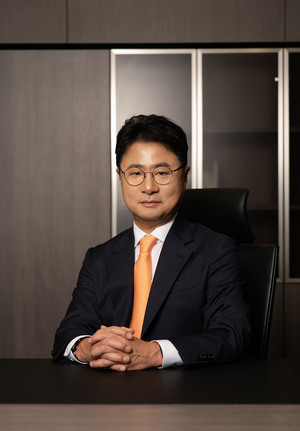
- What happened: Appointed former Samsung Electronics VP Yoon Jun-oh as the new CEO.
- Key stats: Former Samsung Electronics VP, expert in M&A.
- Implications: A move to signal accelerated international M&A and strategic growth as a global leader in aesthetic medical devices. If Samsung’s technology and capital integrate with Classys' global reach, we expect a shift in the landscape of the Asian aesthetic device market.
CHA Biotech / GC Cell (Regenerative Medicine)
- What happened: The South Korean MFDS reclassified autologous NK cell therapy as "low-risk," allowing for the exemption of preliminary clinical trials.
- Key stats: Clinical entry time reduced by up to 2–3 years.
- Implications: The regulatory easing by the MFDS raises the global competitiveness of the South Korean regenerative medicine industry. By skipping existing pre-clinical stages, development speed and costs are significantly optimized.
UpDoc (U.S. AI Medical Device Company)
- What happened: Received FDA approval for the first AI agent Software as a Medical Device (SaMD) featuring a patient-facing Large Language Model (LLM).
- Key stats: First FDA-approved LLM-based clinical medical device.
- Implications: As the FDA's 510(k) clearance path for AI medical devices becomes clearer, it establishes a regulatory benchmark for South Korean AI diagnostic firms like Lunit and Vuno when entering the U.S. market.
Samsung
- What happened: Positioning the new Galaxy Watch model as an AI health companion, with a reveal scheduled for the Galaxy Unpacked event on July 22.
- Key stats: Expanding competition in AI-integrated wearable medical devices.
- Implications: Samsung's strengthened AI health features, aligned with the FDA's relaxed wearable regulations, are accelerating the trend of integrating wearables into formal medical systems.
MFDS, Policy, and Regulation
Reclassification of Autologous NK Cell Therapy
- Details: The MFDS reclassified autologous Natural Killer (NK) cell therapy products as "low-risk," waiving the requirement for preliminary clinical trials (pre-IND).
- Target: Companies developing autologous NK cells such as CHA Biotech and GC Cell.
- Effective Date: Announced July 17, 2026; effective immediately.
- Industry Impact: Shortening clinical entry by 2–3 years significantly boosts the global competitiveness of the domestic regenerative medicine industry. Clarifying the licensing path enhances investor confidence.
Warning on Sales/Training for Aesthetic Devices to TCM Doctors and Dentists
- Details: The medical community is strongly protesting the practice where some aesthetic medical device companies sell equipment and provide training to traditional Korean medicine (TCM) doctors and dentists.
- Target: Aesthetic medical device manufacturers, importers, and sales channels.
- Effective Date: Official positions from the medical community released around July 15–16, 2026.
- Industry Impact: Stricter monitoring by regulators may limit diversification strategies for sales channels. New standards for medical personnel training and sales guidelines will be necessary.
Digital Health and AI Medicine
-
FDA continues to relax monitoring for AI medical devices and wearables: Since January 2026, the FDA has eased standards for low-risk AI health software and wearables. The June approval of the UpDoc LLM confirmed the regulatory path for patient-facing AI agent medical devices, lowering the barrier for Korean AI diagnostic startups entering the U.S.
-
Samsung Galaxy Watch AI health feature enhancement: Samsung is preparing to launch the new Galaxy Watch as an AI-based health companion on July 22. As Samsung's AI integration strategy hits the wearable market, competition within the South Korean digital health ecosystem is intensifying.
-
Expansion of FDA low-risk classification for wearable AI features: Since January, the FDA has been issuing guidance that excludes low-risk performance (wellness features, clinical decision support) of wearables and AI features from medical device monitoring.

Global MedTech Context
-
FDA confirms 510(k) clearance path for patient-facing LLM medical devices — UpDoc's SaMD approval sets a regulatory precedent for LLM-based clinical devices, enabling Korean AI companies (Lunit, Vuno, etc.) to structure their U.S. market entry strategies.
-
FDA accelerating regulatory relaxation for AI and wearable low-risk features since early 2026 — By excluding wellness features and low-risk clinical decision support tools from medical device oversight, accessibility to the U.S. market for Korean wearable and digital health firms is improving.
-
Samsung leads global AI wearable health competition — As Samsung strengthens its leadership in the global wearable medical device market through enhanced AI health features, Korean health-tech firms gain opportunities for international collaboration and benchmarking.
Investment, M&A, and Listing Trends
There is currently insufficient new data regarding investments or M&A within the last 24 hours. The most recent major issue is the expansion of Classys' executive team (the hiring of CEO Yoon Jun-oh), which serves as a signal for future international capital raising and strategic M&A.
Today's Insight
The MFDS's deregulation of autologous NK cell therapy shortens the time to clinical entry by 2–3 years, granting domestic companies like CHA Biotech and GC Cell a temporal advantage in international competition. Simultaneously, with the FDA continuing to relax monitoring of AI and wearables, South Korean AI startups like Lunit and Vuno, alongside Samsung’s wearable technology, are securing clearer paths to overseas markets. As this trend of deregulation accelerates global health-tech competition, the combination of rapid clinical entry and a robust global licensing strategy will be the key to success for South Korean companies in the latter half of 2026.
This Week's Checkpoints
- Samsung Galaxy Watch AI health feature reveal (July 22 at Galaxy Unpacked)
- Announcement of Classys' new CEO Yoon Jun-oh's management strategy
- Timeline for South Korean medical community's response to aesthetic device regulations
Reader Action Items
- Verify official MFDS documents regarding specific requirements and application procedures for autologous NK cell therapy deregulation.
- Develop U.S. market entry strategies by analyzing the FDA's 510(k) clearance path (using the UpDoc case study).
- Strengthen monitoring of global wearable medical device regulatory trends (e.g., FDA's expanded low-risk classifications).
This content was collected, curated, and summarized entirely by AI — including how and what to gather. It may contain inaccuracies. Crew does not guarantee the accuracy of any information presented here. Always verify facts on your own before acting on them. Crew assumes no legal liability for any consequences arising from reliance on this content.
Powered by
