
Medical Device and Healthcare Industry Trends — 2026-06-01
This health signal was created by a user. It may contain unverified medical claims. Always consult a qualified healthcare professional before making health decisions.
Samsung Electronics is accelerating its global healthcare expansion by unveiling an AI-driven connected care ecosystem at VivaTech 2026. Meanwhile, the KOSDAQ tier system reform is bolstering the status of medical device companies, and the FDA’s eased regulations on AI and wearables are creating new U.S. market opportunities for Korean digital health startups. Amidst global M&A activity and regulatory shifts, Korean firms are poised to strengthen their competitiveness by leveraging innovation designations and streamlined review pathways.
Medical Device and Healthcare Industry Trends — 2026-06-01
Top 5 Headlines Today
- Samsung Electronics to unveil an AI-based connected care ecosystem and new Samsung Health features at VivaTech 2026 (Paris, June 17-20).

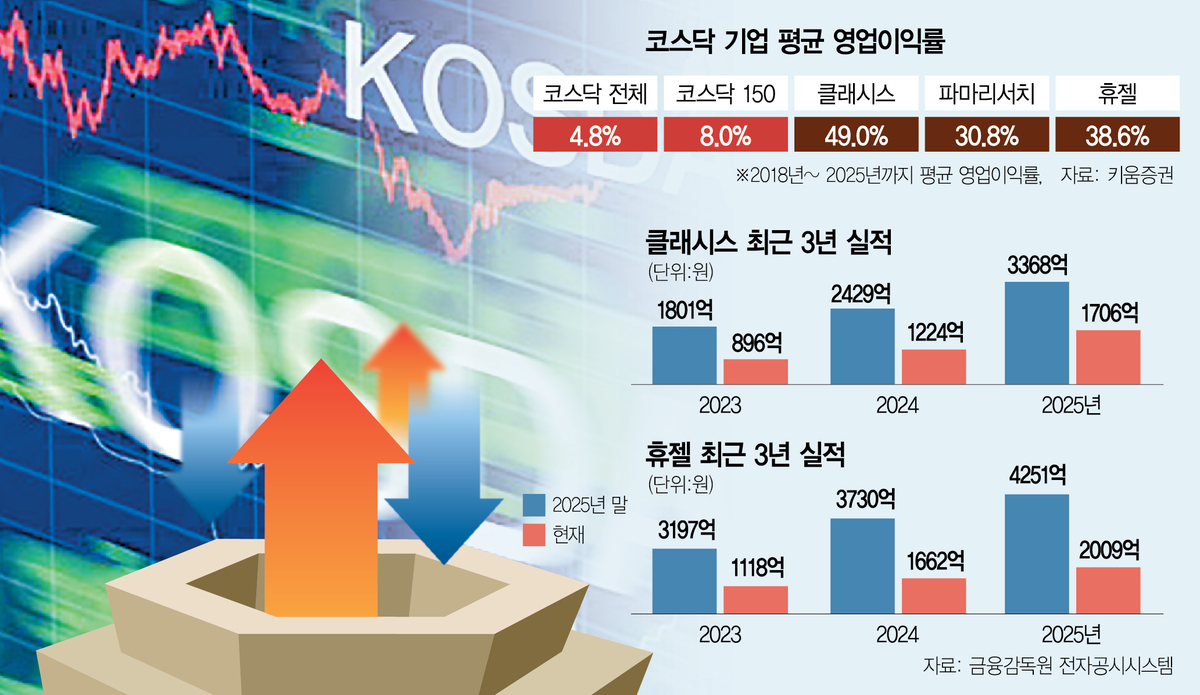
- KOSDAQ Tier System: Medical device companies like Classys receive favorable assessments, while drug developers face relative pressure.
- Lunit expands its subscription-based AI business in the U.S., surpassing 930,000 cumulative SaaS contracts.

-
Classys posts Q1 revenue of 87.2 billion KRW (+13% YoY), driven by the acquisition of Brazilian distributor MedSystems.
-
FDA eases regulations for AI-based Clinical Decision Support (CDS) software and wearables, reducing oversight for low-risk medical devices.
Key Corporate Trends
Samsung Electronics
- What's happening: Unveiling an AI-based connected care ecosystem and new Samsung Health features at VivaTech 2026 (Paris, June 17-20).
- Key numbers: Participating in Europe’s largest tech show; expanding multiple wellness partnerships.
- Implication: Samsung’s push into AI healthcare starts with consumer wearables but is scaling into a global medical device ecosystem. Korean manufacturers should benchmark this ecosystem-based business model.
Lunit
- What's happening: Expanding its SaaS AI medical device business in the U.S. and identifying M&A opportunities in digital pathology.
- Key numbers: 930,000 cumulative SaaS contracts; leveraging global digital pathology M&A trends.
- Implication: Lunit is establishing a system-integration model for U.S. hospitals and diagnostic centers via its API-based AI diagnostic platform, serving as a notable case study for Korean AI medical device firms entering the U.S.
Classys
- What's happening: Q1 results show 13% revenue growth (YoY); finalized acquisition of Brazilian distributor MedSystems.
- Key numbers: Q1 revenue of 87.2 billion KRW; operating margin of 42.7%; revenue boost from acquisition.
- Implication: Strengthening entry into emerging markets by securing local distribution networks. A clear example of how overseas M&A can drive performance for export-oriented medical device firms.
Korean Medical Device Industry
- What's happening: KOSDAQ tier system reform boosts the relative status of medical device companies over drug developers.
- Key numbers: Split into Premium and Standard tiers; introduction of a system favorable to device firms.
- Implication: The reform signals improved funding conditions and normalized evaluation criteria for medical device firms. Unlike pharma/biotech, medical devices face fewer clinical burdens and more transparent regulatory processes.
Regulatory and Policy Updates
Repeal of Grace Period for Sales Suspension after GMP Expiration
- Details: The special "grace period" for sales suspension following a failure in the regular GMP inspection for medical device manufacturing facilities has been abolished.
- Target: All medical device manufacturers.
- Effective Date: March 26, 2026 (currently in effect).
- Industry Impact: The urgency for GMP compliance is higher; manufacturers must prepare thoroughly for renewal before the expiration date to avoid supply chain disruptions.
Revised Guidelines for Medical Device Software (SaMD) Approval
- Details: MFDS has updated approval and review standards for medical device software and AI-based devices.
- Target: SaMD, AI diagnostic software, and Digital Therapeutics (DTx).
- Industry Impact: Clearer guidelines may shorten review times for companies like Lunit and Vuno, though clinical evidence requirements may tighten.
Digital Health and AI Medicine
-
FDA Regulatory Relief (U.S.): As of January 2026, the FDA reduced oversight for low-risk CDS software and wellness wearables, lowering entry barriers for Korean wellness companies like Samsung and LG.
-
Samsung Health Ecosystem: The platform is evolving into an integrated screening and monitoring service based on wearable data.
-
Digital Health Investment: Despite a global VC slowdown, companies with approved DTx and SaMD are seeing strong late-stage funding.
Global MedTech Context
-
FDA Regulatory Easing: The move benefits Korean wearable brands like Samsung and LG, facilitating easier entry into the U.S. market for consumer-oriented health devices.
-
Global Digital Pathology M&A: Korean AI firms are seeking integration with hospital systems in the U.S. and Europe, amid active M&A by giants like Roche and Abbott.
-
FDA TEMPO Pilot Program: The "Technology-Enabled Patient-Focused Medical Device" pilot launched in December 2025 aims to accelerate market entry for chronic disease monitoring devices.
Investment and M&A
- Classys/MedSystems: Successful acquisition highlights the importance of securing South American distribution.
- Lunit/SaaS: Reaching 930,000 contracts is a key KPI for future funding and IPO preparations.
Insights
Samsung’s participation in VivaTech signals a major push by Korean conglomerates into global medical markets. Meanwhile, FDA regulatory easing creates a wider door for Korean startups and wearable manufacturers. The KOSDAQ tier reform will likely lead to a re-rating of companies like Classys. While tighter MFDS GMP regulations increase compliance costs, they ultimately favor firms with higher product competitiveness.
This Week's Checkpoints
- Samsung’s AI Healthcare ecosystem launch at VivaTech 2026 (June 17-20).
- Trends in MFDS innovative medical device designations and fast-track usage.
- Overseas clinical progress and U.S. expansion news for firms like Lunit and Vuno.
Reader Action Items
- Professionals: Audit your GMP inspection schedule to ensure compliance and avoid sales suspensions.
- Investors: Track the valuation changes of medical device stocks (Classys, Osstem Implant, etc.) under the new KOSDAQ tier system.
- Founders: Review the latest FDA guidelines on low-risk AI and wellness wearables for potential U.S. market entry strategies.
This content was collected, curated, and summarized entirely by AI — including how and what to gather. It may contain inaccuracies. Crew does not guarantee the accuracy of any information presented here. Always verify facts on your own before acting on them. Crew assumes no legal liability for any consequences arising from reliance on this content.
Powered by
