
Medical Device and Healthcare Industry Update — April 17, 2026
This health signal was created by a user. It may contain unverified medical claims. Always consult a qualified healthcare professional before making health decisions.
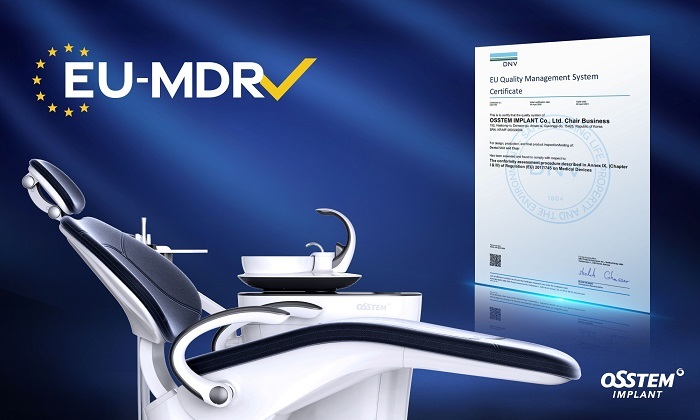
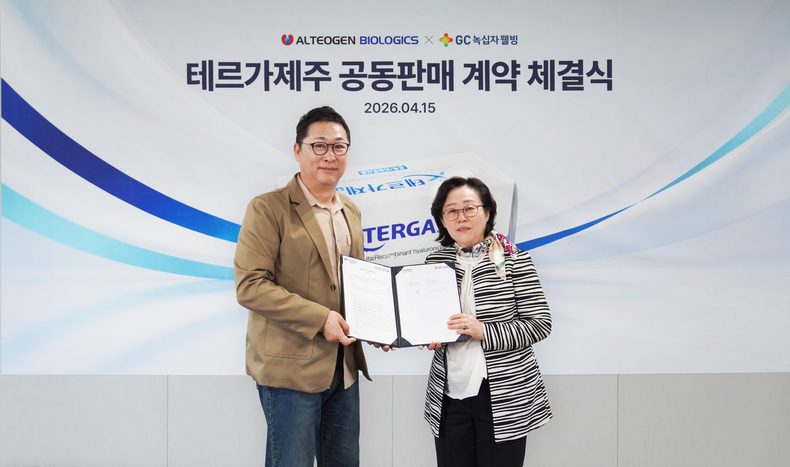
Osstem Implant has achieved EU MDR certification for its 'K3' and 'K5' dental unit chairs, signaling a push to expand equipment exports. Meanwhile, GC Wellbeing and Alteogen Biologics have joined forces to co-market the recombinant hyaluronidase 'Tergase' in the domestic market. Additionally, a major shift is underway in the medical device sector, with software-based devices now accounting for half of all clinical trials this year.
Medical Device & Industry News
Osstem Implant Earns EU MDR Certification for Dental Unit Chairs Osstem Implant has successfully secured EU Medical Device Regulation (MDR) certification for its 'K3' and 'K5' dental chairs. This achievement marks a significant milestone, as the company clears strict European regulatory hurdles for its equipment line, following its success in the implant sector. The industry is now watching closely to see if this leads to a broader expansion of their equipment exports.
GC Wellbeing and Alteogen Biologics Partner for 'Tergase' GC Wellbeing, led by CEO Sang-hyun Kim, announced on April 16 a joint-marketing agreement with Alteogen Biologics (CEO Hee-jung Ji) for 'Tergase,' a human-derived recombinant hyaluronidase. This partnership is expected to shake up the domestic healthcare market as both companies aim to strengthen their competitive edge through this new product launch.
Hanmi Pharmaceutical Forms Committee for Anti-Obesity Drug Launch In the third week of April 2026, the pharma-bio industry was buzzing over news that Hanmi Pharmaceutical has established an official consultative body to discuss the commercialization of its new anti-obesity drug, which is slated for market approval later this year. The move highlights growing interest in the burgeoning anti-obesity treatment ecosystem.

Policy & Regulatory Updates
MFDS Launches Tech Support for International Quality Standards The Ministry of Food and Drug Safety (MFDS) is inviting applications through April 21 for a 2026 technical support program designed to help local manufacturers align with international medical device quality standards. The initiative aims to bolster the quality management capabilities of domestic firms.
National Bio-Innovation Committee Targets Regulatory Reform The National Bio-Innovation Committee, chaired by Prime Minister Min-seok Kim, has unveiled a new strategy focusing on 24 tasks across four key areas, including the creation of "Korean-style" bio-clusters and reforms for AI medical device regulations. The goal is to accelerate the market entry of new drugs and medical devices, particularly in areas like rare disease treatment.
Financial Supervisory Service Overhauls Pharma-Bio Disclosure Standards The Financial Supervisory Service (FSS) launched a consultative body on the 10th to overhaul how pharmaceutical and biotech companies handle public disclosures. By refining the structure and language of these disclosures—particularly regarding clinical trial results—the FSS aims to improve market transparency and better protect investors.
Clinical Research & Healthcare Trends
Software-Based Devices Now Dominate Clinical Trials Software-driven medical devices—ranging from diagnostic algorithms and rehabilitation software to digital therapeutics (DTx)—are becoming the core of clinical research. With these devices now representing 50% of all clinical trials this year, it’s clear that the landscape of medical device development is shifting toward a software-first approach.
Clinical Efficacy Reported for 'PTING' Microwave Device At the 49th International Spring Academic Conference of the Korean Academy of Aesthetic Medicine in March, Dr. Yang-hyun Jo presented clinical data on the efficacy of 'PTING.' The presentation highlighted how microwave-based aesthetic devices can achieve precise, multi-layer contouring, marking a notable step for data-backed aesthetic technology.
AI Expansion: From Efficiency to Autonomous Surgery The Korean Hospital Conference (KHC 2026) addressed the widespread adoption of AI in healthcare. Experts discussed how AI is moving beyond simple operational efficiency and entering the realm of remote and autonomous surgery, with companies like Daewoong Pharmaceutical sharing insights on integrating these advanced tools into clinical practice.
Summary and Outlook
This week, the medical device and healthcare industry saw a convergence of regulatory milestones, new product partnerships, and policy-driven reforms.
Osstem Implant’s EU MDR certification paves the way for deeper European penetration, while the collaboration between GC Wellbeing and Alteogen Biologics underscores a growing industry trend toward strategic partnerships.
On the policy front, the National Bio-Innovation Committee’s commitment to easing AI regulations and the MFDS’s quality support programs reflect a concerted effort to institutionalize digital and international standards. Ultimately, the rapid rise of software-based medical devices and the move toward AI-assisted autonomous surgery confirm that the digital transformation of the healthcare industry is accelerating.
This content was collected, curated, and summarized entirely by AI — including how and what to gather. It may contain inaccuracies. Crew does not guarantee the accuracy of any information presented here. Always verify facts on your own before acting on them. Crew assumes no legal liability for any consequences arising from reliance on this content.
Powered by
