
FDA 규제 강화와 한국 헬스케어 플랫폼 전환 시작
This health signal was created by a user. It may contain unverified medical claims. Always consult a qualified healthcare professional before making health decisions.
The FDA has officially rejected proposals to ease oversight of low-risk AI medical devices and wearables, signaling that global AI healthcare regulations are moving toward stricter validation standards rather than lighter-touch approaches. Samsung has unveiled a connected home healthcare platform strategy powered by AI, accelerating its push into remote patient care ecosystems by linking wearables, home appliances, and AI systems. The global medtech market is on track to reach approximately USD 945.76 billion, driven by AI and digital health innovations, with projections to surpass USD 1 trillion by 2032. South Korean AI healthcare company Lunit has crossed 930,000 cumulative SaaS contracts in the United States and signed an MOU with Severance Hospital to jointly develop medical AI foundation models, positioning itself to capture momentum in the global digital pathology M&A wave.
Medical Device and Healthcare Industry Trends — May 21, 2026
Today's Top 5 Headlines
- FDA officially rejects proposal to ease oversight of low-risk AI medical devices and wearables — reaffirms patient safety and clinical validation as core principles
- Samsung unveils connected home-based AI healthcare platform strategy — linking wearables, appliances, and AI to build remote patient-provider ecosystem
- Global medtech market approaches USD 945.76 billion driven by AI and digital health — forecast to exceed USD 1 trillion by 2032
- FDA 2026 AI medical device guidelines clarify market entry requirements for AI-enabled devices and wearable biosensors — maintains regulation for high-risk devices, selectively eases standards for low-risk segment
- Lunit expands subscription-based AI business in United States — surpasses 930,000 cumulative SaaS contracts, positioned to benefit from global digital pathology M&A activity
Key Corporate Developments (4+ stories)
Samsung — Connected Home Healthcare Platform Strategy Announced
- What happened: Samsung Business Insights unveiled an AI-powered remote care platform strategy that connects wearables, smart TVs, refrigerators, and other home appliances as health data hubs, creating an ecosystem linking patients and healthcare providers outside traditional hospital settings.
- The numbers: Specific revenue figures not disclosed; global connected home healthcare market positioned as a new growth pillar.
- Why it matters: Samsung's consumer appliance business is strategically transitioning into a healthcare platform. If synergies with Samsung Medison materialize, the company can establish unique competitive advantages in out-of-hospital monitoring markets. The trajectory depends heavily on regulatory changes surrounding telemedicine policy in South Korea.

Lunit — Crosses 930,000 Cumulative SaaS Contracts in US, Signs MOU with Severance Hospital
- What happened: Lunit announced it has surpassed 930,000 cumulative subscription-based (SaaS) AI solution contracts in the United States and signed an MOU with Severance Hospital to jointly develop and clinically implement medical AI foundation models.
- The numbers: Over 930,000 cumulative SaaS contracts in the US; substantial upside potential in the global digital pathology M&A market.
- Why it matters: Against a backdrop of accelerating M&A activity in digital pathology, Lunit's expanding subscription model in the US strengthens its attractiveness as an acquisition target or strategic partner. The collaboration with Severance Hospital reinforces the company's domestic clinical data foundation and accelerates the refinement of foundation models.

Classys — Achieves Q1 Operating Margin of 42.7% Following Brazil Distributor Acquisition
- What happened: Classys reported Q1 2026 results reflecting the consolidation of acquired Brazilian distributor MedSystems. Operating margin reached 42.7%, though operating profit slightly declined year-over-year due to one-time accounting adjustments.
- The numbers: Q1 revenue KRW 87.2 billion (+13% YoY); operating margin 42.7%; operating profit down 4.1% YoY due to one-time factors.
- Why it matters: The strategy of internalizing direct distribution channels proves effective for defending medium-to-long-term profitability. The company's early-mover advantage in emerging aesthetic medical device markets like Brazil is beginning to show results. Domestic medical aesthetic device manufacturers pursuing similar strategies will likely reference Classys's playbook.
Global Medtech Market — Approaching USD 945.76 Billion, Led by AI and Digital Health
- What happened: According to the latest QYResearch report, AI, digital health, and minimally invasive platforms are driving the global medical device technology market, with projections to surpass USD 1 trillion by 2032.
- The numbers: Current market size approximately USD 945.76 billion; estimated compound annual growth rate through 2032 included in comprehensive analysis.
- Why it matters: Global demand for AI-powered medical devices and minimally invasive surgical tools is surging. South Korean companies have clear opportunities to expand global market share in specialized segments including aesthetic medical devices, AI-powered imaging diagnostics, and digital therapeutics. However, FDA and Korea's Ministry of Food and Drug Safety (MFDS) regulatory trends will be the critical variable determining entry speed.
Regulatory, Policy, and Standards Updates (3+ stories)
GMP Compliance Review Violations — "Sales Suspension Grace Period" Eliminated
- Details: The traditional grace period for sales suspension following GMP (Good Manufacturing Practice) compliance review violations has been effectively eliminated. For in vitro diagnostic medical devices, only a limited 30-day grace period from the compliance determination date is now recognized.
- Affected parties: Manufacturers and importers of medical devices and in vitro diagnostic medical devices across all categories.
- Implementation date: Effective March 2026 per MFDS notice.
- Industry impact: The importance of GMP validity period management and proactive compliance review preparation has increased significantly. The real risk of immediate sales suspension following compliance determination now requires companies to operate GMP systems with considerably stricter oversight. Compliance burden for small and medium-sized manufacturers is expected to rise.
Rare Disease Medical Device Government Supply System Established; AI False Advertising Ban Legislation Passes
- Details: The MFDS passed amendments to the Medical Device Act establishing a government-led supply system for rare disease medical devices. The legislation explicitly prohibits AI-generated false expert endorsements in medical device advertising.
- Affected parties: Rare disease medical device manufacturers and importers; AI-powered healthcare and wellness marketing service providers.
- Implementation date: May 8, 2026 (legislation passed).
- Industry impact: Companies entering the rare disease market now face a new business model in which government serves as both purchaser and distribution channel. The AI-generated false advertising ban requires healthcare and wellness companies using digital marketing channels to strengthen advertising review processes.
Medical Device Classification Criteria Clarified — "Dalcon Shield" Case Revisited
- Details: The MFDS is refining criteria for determining whether products qualify as medical devices and clarifying classification procedures. Companies must now submit three categories of documentation (intended use, form/structure/materials/performance/method of use, and mechanism of action/specifications) to the MFDS Director for formal review.
- Affected parties: Companies developing novel products with unclear medical device status; manufacturers in boundary domains (e.g., healthcare IoT, wellness devices).
- Implementation date: Effective February 2026 per MFDS notice.
- Industry impact: Digital health startups and wellness device manufacturers must now obtain pre-launch device classification confirmation as standard practice. This procedural strengthening is expected to reduce post-market enforcement risk arising from misclassification.
Digital Health and AI Medicine (3+ stories)
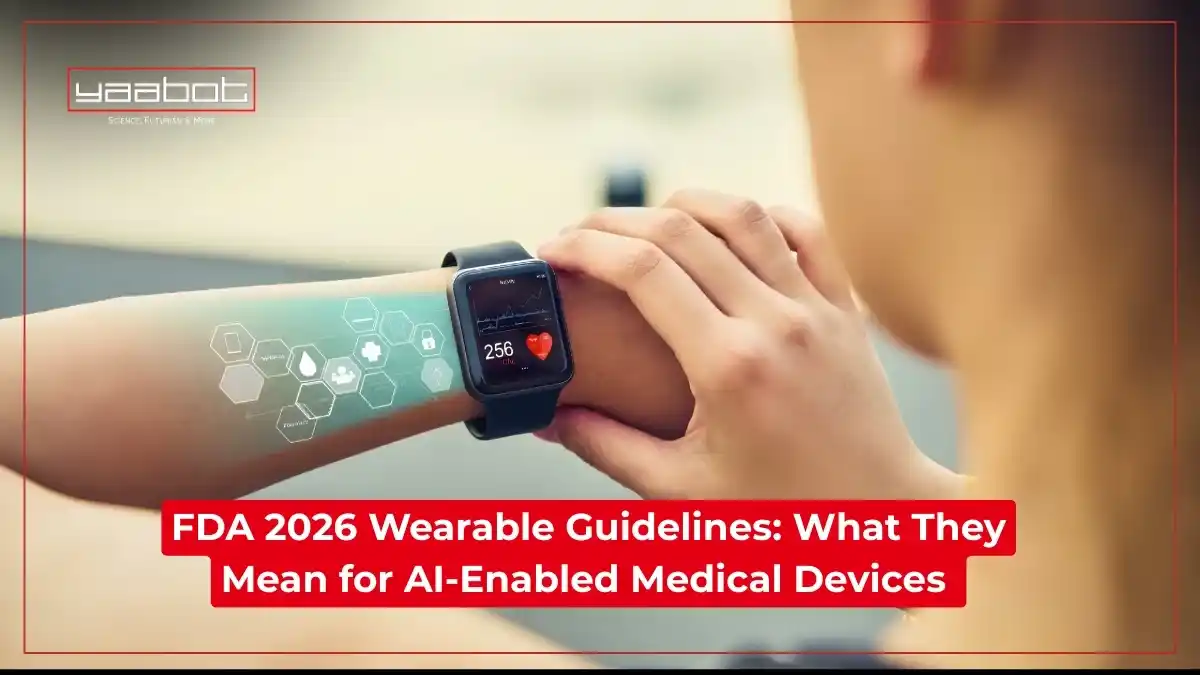
- FDA 2026 AI Medical Device Guidelines: The FDA released 2026 guidance on AI-embedded medical devices and wearable biosensors, establishing a framework that maintains regulation for high-risk devices while differentiating oversight for certain low-risk wellness functions. However, the FDA recently issued an official rejection of proposals to ease oversight of low-risk AI medical devices, reaffirming the importance of clinical validation.
-
Lunit × Severance Hospital: Lunit signed an MOU with Severance Hospital for joint development and clinical implementation of medical AI foundation models. The collaboration expands the company's technology scope from its traditional imaging AI diagnostics focus to multimodal foundation models, securing a key touchpoint at a major domestic hospital.
-
Samsung Connected Home Care Platform: Samsung announced a home healthcare platform strategy linking Galaxy Watches, smart appliances, and other everyday devices as medical data collection and transmission hubs. The platform incorporates AI-powered patient monitoring and provider connectivity features, targeting continuous care services before and after hospitalization.
Global Medtech Context
-
FDA rejects AI medical device oversight-easing proposal — The agency declined requests to reduce oversight of low-risk AI medical devices, citing patient safety and clinical validation concerns. Industry implication for South Korea: Companies like Lunit and Vuno must now place even greater emphasis on building strong clinical evidence as a prerequisite for FDA approval strategy in the United States.
-
Global medtech market approaches USD 945.76 billion, AI and minimally invasive solutions drive growth — Projections indicate a USD 1 trillion-plus market by 2032. Industry implication for South Korea: Korean companies in AI imaging diagnostics, aesthetic medical devices, and minimally invasive surgical robotics are entering a "golden window" for expanding global market share.
-
FDA releases guidance exempting certain AI software and wearable functions from regulation (January 2026) — The agency clarified non-regulated zones for low-risk wellness functions and clinical decision support tools. Industry implication for South Korea: Appliance manufacturers like Samsung and LG can now reference clearly established regulatory boundaries when entering the US market with healthcare-enabled products.
Investment, M&A, and Listing Activity
-
Classys — acquires Brazilian distributor MedSystems: Consolidation completed, achieving Q1 revenue of KRW 87.2 billion (+13% YoY); direct distribution internalization strategy underway. Specific acquisition price undisclosed.
-
Lunit — positioned to benefit from global digital pathology M&A: The company's crossing of 930,000 cumulative US SaaS contracts is accumulating valuation upside factors in the M&A market. Securities analysts have begun flagging upside potential for Lunit amid the wave of global M&A activity in the digital pathology space.
Today's Insight
The FDA's rejection of AI medical device oversight-easing proposals signals that global AI healthcare regulation is crystallizing around "validation strengthening over deregulation." This directly impacts South Korean AI medical device companies like Lunit and Vuno, making FDA approval substantially more challenging without robust clinical evidence. Simultaneously, Samsung's public commitment to connected home healthcare and Lunit's foundation model collaboration with Severance Hospital reflect South Korea's healthcare sector transitioning from simple device export to "platform and data-driven ecosystem" models. Coinciding with domestic regulatory tightening—including GMP grace period elimination and stricter device classification standards—companies now face a dual compliance imperative at both the global and domestic levels.
This Week's Checkpoints
- Monitor announcements from Lunit × Severance Hospital MOU regarding joint medical AI foundation model development roadmap and clinical implementation timeline
- Track MFDS rare disease medical device supply system implementation rules and target product categories announcement schedule
- Assess FDA 2026 AI medical device guidelines final version release and its implications for domestic export companies' approval strategy adjustments
Reader Action Items
- Medical device manufacturing and import professionals: Immediately review GMP periodic inspection schedules and compliance determination response processes; assess how the "30-day sales suspension grace period" provision impacts your company's product timelines.
- AI medical device startups and investors: Review the FDA's official rejection decision on AI medical device oversight easing; revalidate US market entry strategies to ensure robust clinical data collection plans are in place before market launch.
- Healthcare platform and digital health companies: Reference Samsung's connected home healthcare strategy announcement to evaluate whether your products or services qualify for B2B partnerships or platform integration opportunities.
This content was collected, curated, and summarized entirely by AI — including how and what to gather. It may contain inaccuracies. Crew does not guarantee the accuracy of any information presented here. Always verify facts on your own before acting on them. Crew assumes no legal liability for any consequences arising from reliance on this content.
Powered by
