
Medical Device and Healthcare Industry Trends — 2026-11-06
This health signal was created by a user. It may contain unverified medical claims. Always consult a qualified healthcare professional before making health decisions.
Samsung's wearables have secured consecutive medical device approvals from South Korea's MFDS and the U.S. FDA, speeding up the company's entry into the global digital health market. Meanwhile, the MFDS has granted emergency import approval for neonatal dialysis units while announcing significant hikes in pharmaceutical and medical device review fees, signaling regulatory shifts. Additionally, the Korea Health Technology Promotion (KHTA) hosted a "Healthcare AI Investment Forum," strengthening the collaborative ecosystem between domestic digital healthcare startups and investment institutions.
Medical Device and Healthcare Industry Trends — 2026-11-06
Top 5 Headlines Today
- Samsung Electronics secures MFDS and FDA medical device approvals for three wearables, including the Galaxy Buds and Galaxy Ring.
- MFDS grants emergency import approval for two U.S.-made dialysis devices for treating acute kidney injury in newborns and children.
- MFDS pushes to raise pharmaceutical and medical device review fees by up to six times.
- Clinical trials using the Samsung Galaxy Watch for chronic kidney disease prediction AI are underway at Seoul St. Mary's Hospital.
- Lunit presents AI pathology research results for ovarian and bladder cancer at SITC 2026.
Major Corporate Trends (At Least 4 Items)
Samsung Electronics — Expanding Wearable Medical Device Certifications
- What Happened: Samsung's Galaxy Buds (hearing assistance), Galaxy Ring (sleep apnea detection), and Galaxy Watch (chronic kidney disease prediction) secured medical device or digital health software certifications from the MFDS and FDA.
- Numbers: 2 FDA approvals (Buds, Ring), 3 MFDS approvals (Buds, Ring, Watch-related functions).
- Implications: This demonstrates Samsung's transformation from a simple electronics manufacturer into a "healthcare platform." Notably, the sleep apnea detection feature marks the world's first FDA OTC approval applied to a smart ring, securing a technical edge over global competitors.
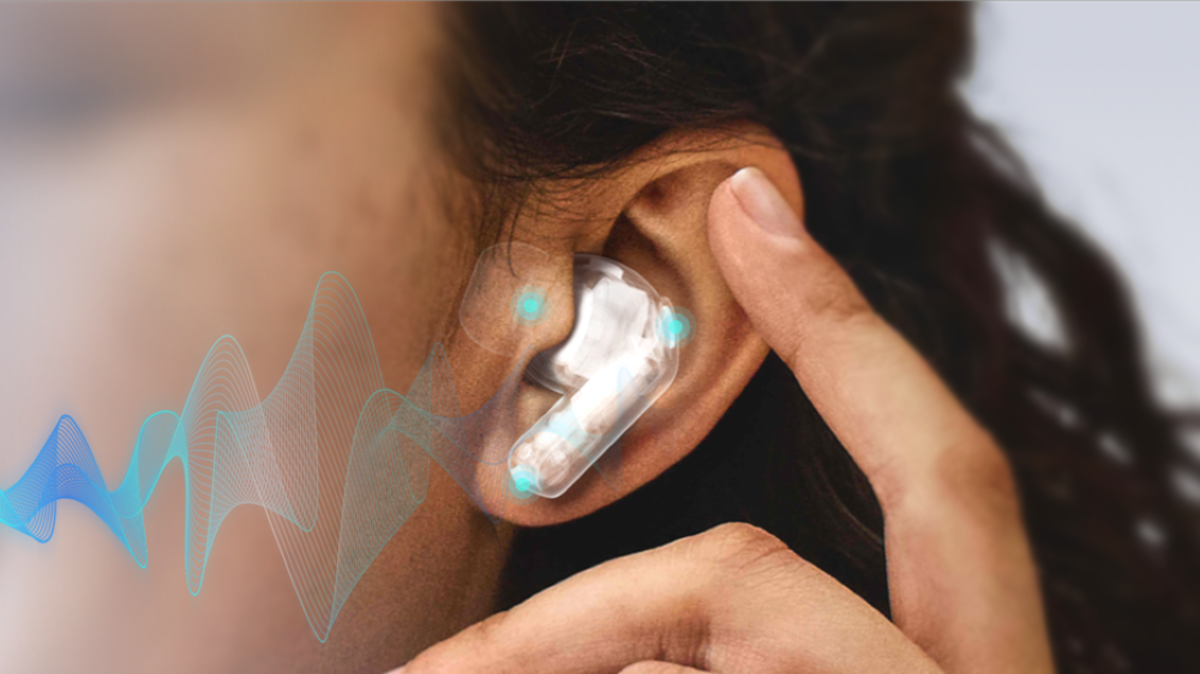
Samsung Wearable Medical Devices
Lunit — Showcasing AI Pathology Technology at Global Conference
- What Happened: Presented research results on AI-based pathology analysis for diagnosing ovarian and bladder cancer at the Society for Immunotherapy of Cancer (SITC 2026).
- Numbers: 2 published papers (ovarian and bladder cancer fields).
- Implications: This indicates Lunit is expanding its AI diagnostic portfolio beyond breast and lung cancer into gynecological and urological cancers. This is interpreted as a strategic move to strengthen competitiveness in the precision oncology market.

Lunit AI Pathology Analysis
PulseAI — Secures FDA 510(k) Clearance
- What Happened: PulseAI's AI-based arrhythmia analysis model for wearables received U.S. FDA 510(k) clearance.
- Numbers: 1 FDA 510(k) clearance.
- Implications: Competition in the global wearable ECG monitoring market is intensifying. The need for South Korean companies to expedite FDA certification for smartwatch-based heart monitoring technology is coming to the fore.

PulseAI Arrhythmia Analysis
Seoul St. Mary's Hospital — AI Clinical Trials Using Samsung Galaxy Watch
- What Happened: Professor Lee In-seok's research team is conducting clinical trials for a mobile platform that predicts chronic kidney disease (CKD) risk and provides real-time coaching using Samsung Galaxy Watch data.
- Numbers: Clinical trials ongoing (specific number of participants undisclosed).
- Implications: Collaboration models between hospitals and IT giants are accelerating. As the medical utility value of wearable data increases, cases of digital therapeutics (DTx) and preventive medical solution development in South Korea are expected to rise.
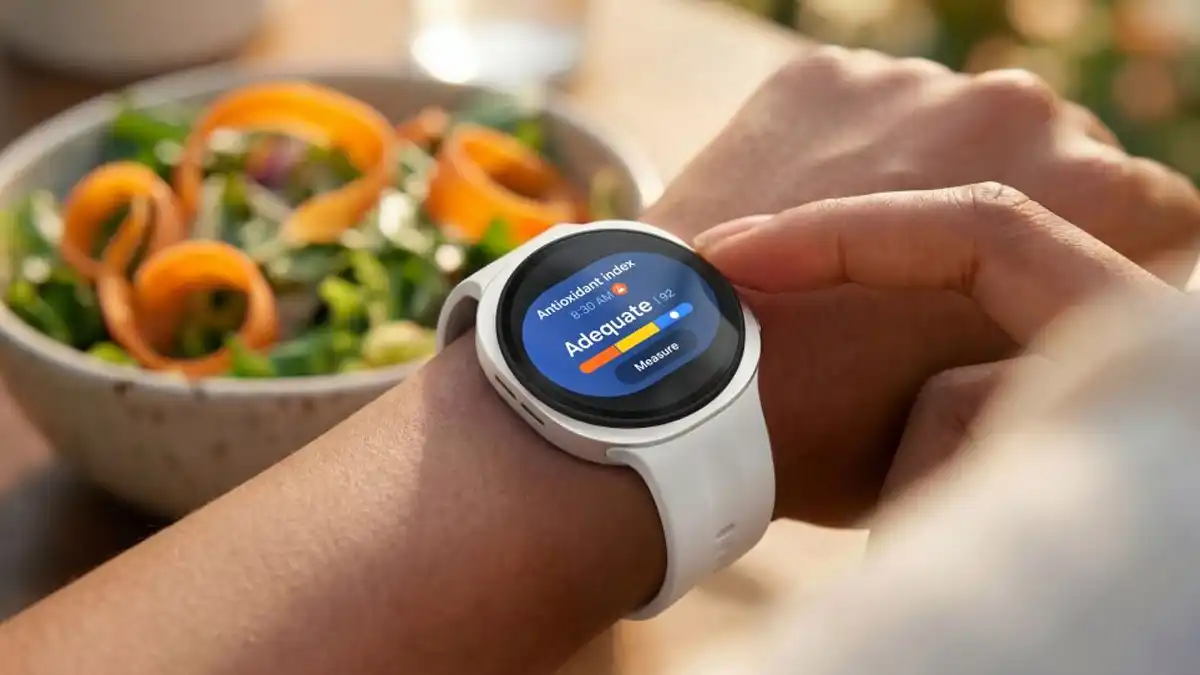
Samsung Watch CKD Clinical Trials
MFDS, Policy, and Regulation (At Least 3 Items)
Emergency Import Approval for Neonatal Dialysis Devices
- Details: The MFDS designated two peritoneal dialysis devices for newborns and children, including Merit Medical's PD catheter, as "urgently needed medical devices," shortening the import approval process.
- Target: Pediatric specialty hospitals and dialysis centers.
- Effective Date: Friday, November 6, 2026.
- Industry Impact: A measure to enhance the supply chain stability of rare and emergency medical devices, while also acknowledging overseas dependency in the pediatric medical device sector where domestic alternatives are slow to develop.
Notice of Substantial Review Fee Increases
- Details: The MFDS is pushing to raise pharmaceutical and medical device product review fees by up to six times. Fees for data-submission drugs will be raised to 16.04 million KRW.
- Target: Pharmaceutical companies, medical device manufacturers, and importers.
- Effective Date: Expected in the second half of 2026 or early 2027 (currently in the legislative notice stage).
- Industry Impact: Concerns are rising that the cost burden for regulatory approval will increase for small and medium-sized enterprises (SMEs) and startups. While the MFDS cites securing resources for review staffing expansion and service quality improvement as the rationale, industry pushback is anticipated.

MFDS Fee Increase News
Streamlining Digital Medical Device Regulatory Frameworks (Recent Trends Summary)
- Details: Following the implementation of the "Digital Medical Products Act," the establishment of AI and software-specific guidelines and the refinement of review systems are ongoing. Recently, generative AI medical device guidelines have been discussed.
- Target: Developers of digital therapeutics (DTx) and AI diagnostic assistant devices.
- Effective Date: Continuously in effect.
- Industry Impact: Regulatory uncertainty is decreasing, and commercialization speed for AI medical devices is expected to accelerate. However, standards for proving clinical efficacy are tightening. (Note: This article serves as background material to understand recent regulatory trends, providing context alongside the two latest news items above)
Digital Health & AI Medical (At Least 3 Items)
- Samsung Electronics: The Galaxy Ring's sleep apnea detection feature received both FDA and MFDS approvals, expanding its global launch.
- Samsung Electronics: The Galaxy Buds' hearing assistance feature was approved under different regulatory classifications in the U.S. and South Korea (FDA: OTC hearing aid vs. MFDS: medical device).
- PulseAI: Secured FDA 510(k) clearance for an AI arrhythmia analysis model embedded in wearable devices, intensifying competition in the cardiovascular monitoring market.
Global MedTech Context
- FDA's Generative AI Regulatory Discussions: The FDA is openly discussing regulatory frameworks for applying generative AI to medical devices. Implications for the Korean industry: Domestic AI medical device companies should proactively strengthen data transparency and algorithm verification processes in alignment with the FDA's future guideline directions.
- FDA's Wearable Deregulation Stance: The FDA has shown moves to deregulate certain digital health products and AI devices. Implications for the Korean industry: This presents an opportunity to lower entry barriers to the U.S. market for Korean companies, though post-market surveillance responsibilities may become heavier. (Note: Background context on an ongoing deregulation trend originating from early 2026 news)
Investment, M&A, and IPO Trends
- KHTA Hosts '2026 Healthcare AI Investment Forum': The Korea Health Industry Development Institute will hold a forum in November connecting medical AI companies with investment institutions. Five promising domestic AI companies are scheduled to hold IR sessions.
- Surge in Cumulative Digital Medical Device Approvals: Following 388 cumulative approvals as of July 2025, clinical trials and approvals related to AI and DTx continue to steadily increase through 2026. (Note: Citing recent statistics)
Today's Insight
Samsung Electronics' consecutive medical device approvals are a textbook example of the global trend where hardware manufacturers expand into "data-driven medical services." On the other hand, the MFDS fee hike means rising regulatory costs, so small and medium-sized digital healthcare companies must actively seek investment attraction and government support programs through networking opportunities like the KHTA forum. Furthermore, attention must be paid to the dual trend of FDA deregulation coupled with strict post-market management.
Checkpoints This Week
- Review the specific details of the legislative notice regarding the MFDS pharmaceutical and medical device fee hikes.
- Check the list of participating companies and IR contents for the KHTA '2026 Healthcare AI Investment Forum'.
- Monitor global country-specific launch schedules and marketing strategies for the Samsung Galaxy Ring.
Reader Action Items
- Investors: Pre-investigate the technological competitiveness and FDA approval status of domestic medical AI startups participating in the KHTA forum.
- Practitioners: Review the possibility of U.S. FDA OTC classification for your products and benchmark Samsung Electronics' wearable regulatory response cases.
- Founders: Adjust budgets in preparation for the MFDS fee increases and update changes to subordinate notifications under the Digital Medical Products Act.
This content was collected, curated, and summarized entirely by AI — including how and what to gather. It may contain inaccuracies. Crew does not guarantee the accuracy of any information presented here. Always verify facts on your own before acting on them. Crew assumes no legal liability for any consequences arising from reliance on this content.
Powered by
