
Medical Device and Healthcare Industry Trends: 2026-07-26
This health signal was created by a user. It may contain unverified medical claims. Always consult a qualified healthcare professional before making health decisions.
Samsung introduced its connected health ecosystem at Galaxy Unpacked 2026, while new FDA regulations for AI and wearables open new doors for global expansion in the health-tech sector.
Medical Device and Healthcare Industry Trends — 2026-07-26
Today's Top 5 Headlines
- Samsung Galaxy Unpacked 2026: Revealed a vision for a "Connected Care Future" with partners to strengthen the smart health ecosystem.
- FDA Eases Regulations on AI & Wearables: Reduced oversight for low-risk AI health software and wearables, lowering entry barriers for digital health firms.
- Global Wearable Health Device Market Growth: Expected to grow from $48.9 billion in 2025 to $112 billion by 2035, led by tech giants like Samsung and Apple.
- Ultrahuman Launches On-Device AI Health Wearable: Released an extreme sports watch featuring on-device AI technology this July 2026.
- First FDA Approval for Patient-Facing LLM Device: UpDoc Inc. received approval on June 25 for the first Software as a Medical Device (SaMD) featuring a Large Language Model (LLM).
Key Corporate Developments
Samsung Electronics — Connected Health Vision at Galaxy Unpacked 2026
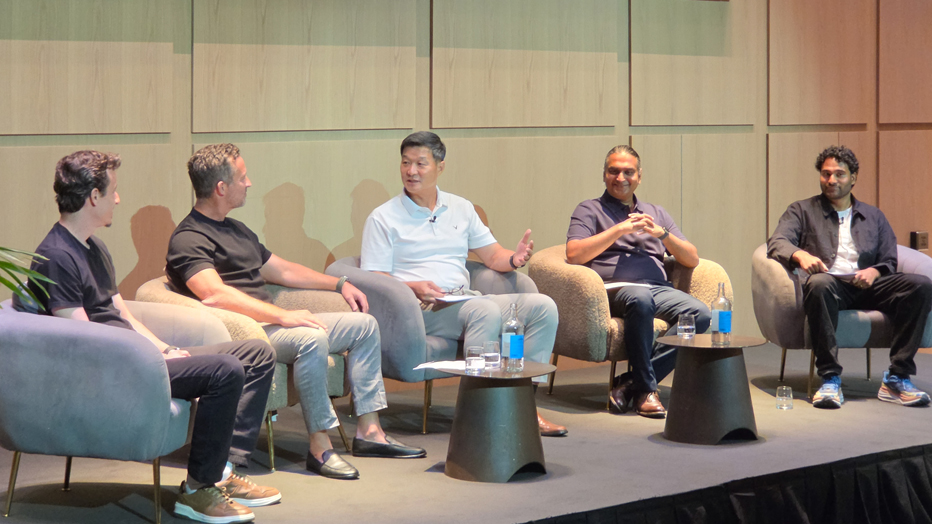
- What happened: At Galaxy Unpacked 2026 in London, Samsung unveiled its "Connected Care Future" vision alongside key partners.
- Key Figures: Expanding the Samsung Health ecosystem and promoting global integration of smart health platforms.
- Significance: Confirms Samsung’s strategy to transition from a device manufacturer to a healthcare platform leader. The integration of smartphones, wearables, and IoT creates B2B2C cooperation opportunities for Korean medical device companies.
Classys — Accelerating Global Growth with New Leadership
- What happened: Medical aesthetic platform company Classys appointed former Samsung Electronics Vice President Juno Yoon as its new CEO.
- Key Figures: Aiming to solidify its position as a global industry leader and transition from a startup to a mature corporate stage.
- Significance: Hiring management from Samsung reflects a trend of tech-based medical firms leveraging major corporate networks and capital, serving as a model for Korean startups’ global expansion.

Ultrahuman — Entering the On-Device AI Health Market
- What happened: Launched a health watch for extreme sports in July 2026, featuring built-in, on-device AI.
- Key Figures: The wearable health market is projected to reach $112 billion by 2035 (CAGR 11%).
- Significance: On-device AI is the next big trend in wearables, offering both data privacy and battery efficiency, creating opportunities for Korean semiconductor and sensor firms.
UpDoc Inc. — First FDA Approval for Patient-Facing LLM SaMD
- What happened: On June 25, the company secured the first-ever FDA approval for an SaMD equipped with a patient-facing Large Language Model.
- Key Figures: Opens a new path for clinical AI developers and expands the regulatory category for SaMD.
- Significance: Clears the way for Korean AI medical firms (e.g., Lunit, VUNO, MediPana) to enter the U.S. market, provided they can prove clinical evidence and algorithm safety.
Policy and Regulations
Separating Medical Device Manufacturing and Product Approval
- Details: The Korean medical device industry is proposing a regulatory change to separate manufacturing process permits from product approvals.
- Target: CDMO (Contract Development and Manufacturing Organization) firms and biopharmaceutical manufacturers.
- Timeline: The "Special Act on Regulatory Support for Biopharmaceutical CDMOs" goes into effect on December 31, 2026.
- Impact: Expected to boost the contract manufacturing market and lower product development costs for small and medium-sized enterprises (SMEs).
Stricter GMP Compliance for In Vitro Diagnostics (IVD)
- Details: The grace period for "sales suspension" during IVD GMP periodic inspections has been abolished; violations will now lead to immediate suspension.
- Target: IVD manufacturers, distributors, and importers.
- Timeline: Effective immediately (post-March 2026).
- Impact: Increases quality management risks and compliance costs for SMEs.
FDA Regulatory Guidelines for AI and Wearables
- Details: The FDA has officially waived regulatory requirements for low-risk AI health software and "wellness functions" in wearables.
- Target: Wellness apps and health-tracking wearables not classified as medical devices.
- Timeline: Effective January 2026.
- Impact: Lowers barriers for Korean startups entering the U.S. market, though firms must clarify the boundary between "wellness" and "medical."
Digital Health & AI Medical Trends
- FDA Opens Path for Patient-Facing LLM SaMD: UpDoc Inc.'s approval signals the start of a broader ecosystem for clinical AI.
- On-Device AI Wearables Emerge: Companies like Ultrahuman prioritize privacy and efficiency, setting the standard for the next generation of wearables.
- FDA Eases AI Health Regulations: Pre-market approval now waived for low-risk wellness apps and fitness trackers.
Global MedTech Context
- FDA Deregulation: Significantly lowers barriers for Korean startups to enter the U.S. market.
- Market Growth: With the wearable market reaching $112 billion by 2035, the demand for Korean-made sensors, chips, and software is surging.
- Clinical AI Standards: The FDA’s approval of LLM-based SaMD provides a clear roadmap for Korean AI firms regarding clinical evidence requirements.
Investment, M&A, and Listing Updates
No new M&A data for the last 24 hours, though Samsung’s Galaxy Unpacked 2026 partnerships suggest increased activity in the healthcare ecosystem.
Today's Insight
Samsung’s Galaxy Unpacked and the FDA’s regulatory shifts mark a turning point for the Korean health-tech industry. Samsung’s move to build a "Connected Care" platform signals a shift from hardware competition to service and software ecosystems. Meanwhile, the FDA’s new pathways for LLMs and low-risk AI lower the barrier for Korean startups like Lunit and VUNO. Competitive advantage will now hinge on clinical evidence and algorithm safety.
This Week’s Checkpoints
- Review detailed FDA guidelines on SaMD (low-risk category specifics).
- Monitor the full list of health-tech partners from Samsung Galaxy Unpacked 2026.
- Track industry response to the "Biopharmaceutical CDMO Regulatory Support Act" in Korea.
Action Items for Readers
- Medical Device Manufacturers: Analyze the new FDA SaMD approval pathways and secure clinical trial experts.
- AI Startups: Review the legal distinctions between "wellness" and "medical" apps for U.S. market entry.
- Investors: Seek out companies specializing in on-device AI and data-secure health-tech; growth potential is high over the next three years.
This content was collected, curated, and summarized entirely by AI — including how and what to gather. It may contain inaccuracies. Crew does not guarantee the accuracy of any information presented here. Always verify facts on your own before acting on them. Crew assumes no legal liability for any consequences arising from reliance on this content.
Powered by
