
Medical Device and Healthcare Industry Trends — 2026-11-09
This health signal was created by a user. It may contain unverified medical claims. Always consult a qualified healthcare professional before making health decisions.
Korean robot makers are quickly moving into the medical robotics space, with Samsung and Hyundai securing regulatory approval for surgical assist systems and wearable devices. Samsung Electronics cleared global digital health regulatory hurdles by winning successive approvals from the US FDA and South Korea's MFDS for hearing aid and sleep apnea features on its Galaxy Buds and Ring. Meanwhile, the Korea Health Industry Development Institute hosted a relevant forum to boost the medical AI investment ecosystem and support local companies with technology commercialization.
Medical Device and Healthcare Industry Trends — 2026-11-09
Top 5 Headlines Today
- Rainbow Robotics partners with Erob and Samsung Medical Center for surgical assist systems
- Hyundai Motor Robotics wins Class III medical device approval from MFDS for wearable exoskeleton 'X-ble MEX'
- Samsung Galaxy Buds receive hearing aid feature approval from US FDA and South Korea MFDS
- PulseAI secures US FDA 510(k) clearance for AI arrhythmia analysis model designed for wearables
- Korea Health Industry Development Institute hosts the '2026 Healthcare AI Investment Forum' featuring five medical AI companies
Major Corporate Trends (At least 4)
Samsung Electronics
- What happened: The OTC hearing aid feature for Galaxy Buds (4 Pro/3 Pro) gained medical device approval from both the US FDA and South Korea's Ministry of Food and Drug Safety (MFDS).
- Numbers: Regulatory approval completed in 2 countries (FDA, MFDS).
- Takeaway: This is significant because everyday consumer wearables crossed the regulatory hurdle to be classified as medical devices. The fact that the two countries classified and processed the exact same software quite differently highlights the importance of global regulatory compliance strategies.
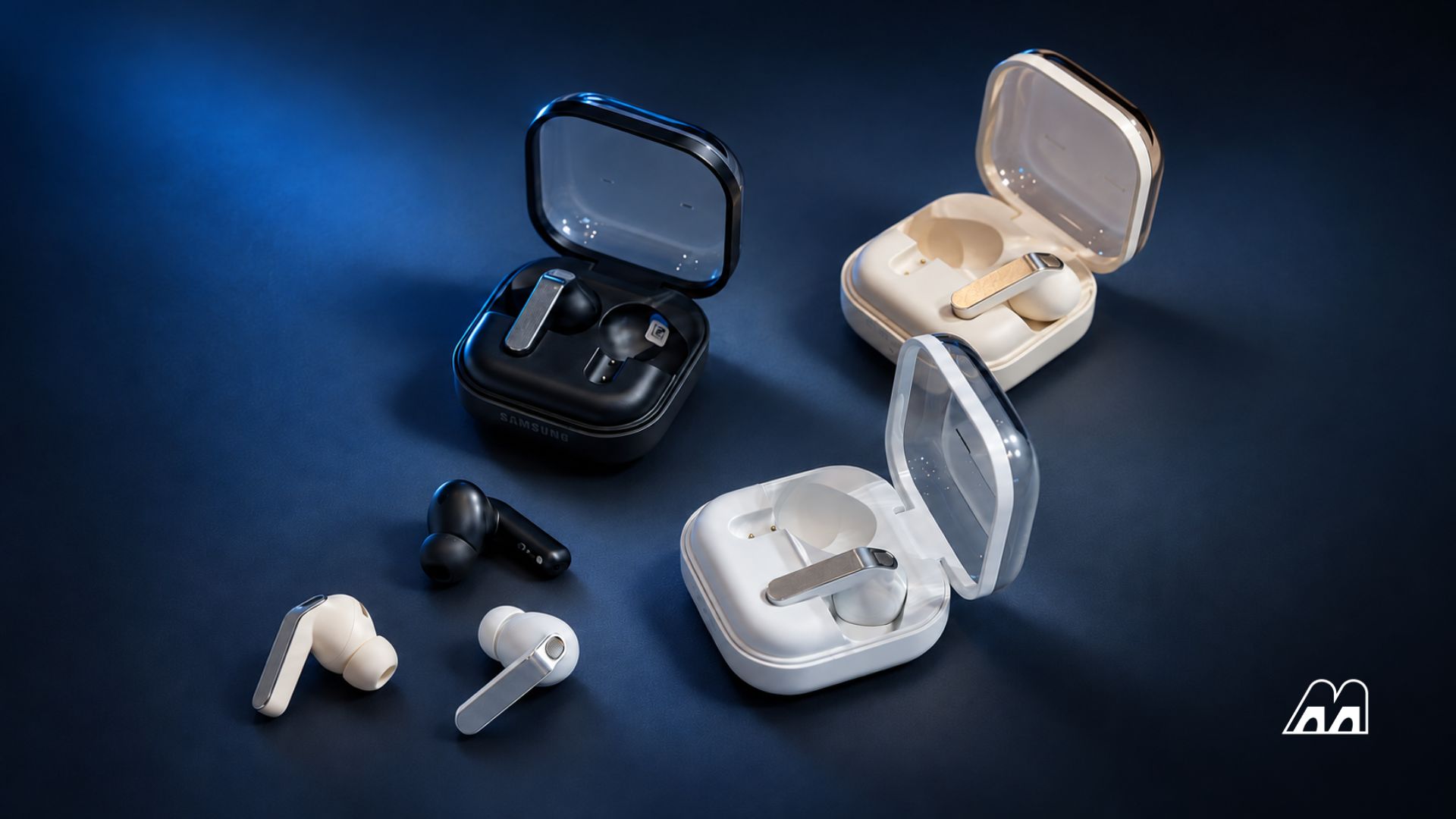
Samsung Galaxy Buds approved as hearing aids
Hyundai Motor Robotics
- What happened: The wearable exoskeleton robot 'X-ble MEX' received Class III medical device approval from South Korea's MFDS.
- Numbers: Class III clearance.
- Takeaway: Class III approval, designated for high-risk medical devices, is the result of proven clinical efficacy and safety. Although the commercial launch timeline is still under review, it is interpreted as a proactive step to prepare for growing rehabilitation medical demand driven by an aging society.

Hyundai X-ble MEX wearable robot
Rainbow Robotics
- What happened: Partnered with medical robot startup 'Erob' and 'Samsung Medical Center' to begin developing a surgical assist system.
- Numbers: Three-way partnership (Corporation - Startup - Hospital).
- Takeaway: This case shows pure industrial robotics companies pivoting into the medical sector. Product development based on clinical validation that reflects actual hospital needs will be the key to success.
PulseAI
- What happened: An AI-based arrhythmia analysis model for wearables received 510(k) clearance from the US FDA.
- Numbers: FDA 510(k) Clearance.
- Takeaway: This demonstrates that regulatory approvals for AI diagnostic software are accelerating in the global digital health market. South Korean companies also need to establish overseas expansion strategies by referencing these global regulatory trends.

PulseAI Smartwatch
MFDS · Policy · Regulation (At least 3)
Streamlining and Enforcement of Digital Medical Device Guidelines
- Details: Following the enforcement of sub-regulations under the 'Digital Medical Products Act', the MFDS established guidelines specialized for AI and software digital medical devices, making the regulatory framework more concrete.
- Target: Developers of AI diagnostic solutions, digital therapeutics (DTx), and SaMD.
- Enforcement Timing: Guidelines finalized in line with the recent enforcement of sub-regulations.
- Industry Impact: Companies must move beyond simple technology development to build clinical data and quality management systems that align with the guidelines. Increased regulatory clarity is expected to boost predictability for approvals.
Expanded Support Policies for Export-Oriented Medical Devices
- Details: The Ministry of Health and Welfare is setting up hospital-centered research hubs to support the advanced technological development of AI-based surgical robots, while supporting clinical evaluations and usability testing for domestically made medical devices.
- Target: Domestic surgical robot manufacturers and small-to-medium medical device companies preparing to enter overseas markets.
- Enforcement Timing: Expansion plan announced within 2026.
- Industry Impact: Local hospitals will strengthen their role as clinical validation partners, reducing clinical cost burdens for companies and promoting the development of globally competitive products.
Review of Medical Device Approval Fee Increases
- Details: The South Korean government is pushing a plan to raise medical device and pharmaceutical approval fees by up to 6 times.
- Target: All medical device manufacturers and importers.
- Enforcement Timing: Recent news reports and policy initiatives underway.
- Industry Impact: Rising approval costs could act as a barrier to entry for startups and small businesses. Companies now face the need to readjust their regulatory compliance budgets.
Digital Health & AI Healthcare (At least 3)
- Samsung Galaxy Buds/Ring: Hearing aid functions (Buds) and sleep apnea detection (Ring) recognized as official medical functions through FDA and MFDS approvals
- Exosystems: An AI-based musculoskeletal digital healthcare company that secured MFDS medical device item approval and European CE-MDD certification, and was selected as a lead organization for national R&D projects
- 5 Domestic Medical AI Companies: Presented technologies and business models at the Korea Health Industry Development Institute forum, networking with investment institutions
Global MedTech Context
- US FDA's easing of wearable/AI regulations — Implications for the Korean industry: As the FDA eases regulations on digital health products and encourages AI utilization, the speed at which Korean companies enter the US market could accelerate.
- FDA public debate on generative AI medical device regulation — Implications for the Korean industry: Since the FDA is preparing guidelines on applying generative AI to medical devices, local developers must proactively build data governance that meets global standards.
Investment · M&A · IPO Trends
- Exosystems Series A Investment: Secured 4.5 billion won, led by SBI Investment. Evaluated for integrated AI software and hardware technology capabilities
- Korea Health Industry Development Institute Matching: Attempted practical investment connections between 5 promising domestic medical AI companies and investment institutions through the '2026 Healthcare AI Investment Forum'
Today's Insight
The 'Consumer MedTech' trend—where everyday consumer goods (wearables) evolve into medical devices—is accelerating, and simultaneous approvals from major global regulators (FDA, MFDS) like Samsung's case become a decisive factor in boosting market trust. Furthermore, as South Korea's strength as an industrial robot powerhouse expands into surgical assist and rehabilitation robots, open innovation among hospitals, corporations, and startups is emerging as a new growth engine.
Checkpoints This Week
- Whether the MFDS will publish detailed explanatory notes on digital medical device guidelines
- Results of the Korea Health Industry Development Institute's '2026 Healthcare AI Investment Forum' and follow-up investment linkage trends
- Specific commercialization roadmap and pricing policy announcements for Hyundai's X-ble MEX
Reader Action Items
- Practitioners: When establishing global approval strategies for your products, compare and analyze the classification differences and requirements between the FDA and MFDS.
- Investors: Keep an eye on the medical pivot cases of industrial robot companies (like Rainbow Robotics) and focus on startups with hospital clinical partnerships.
- Founders: When developing digital therapeutics (DTx), establish a dual strategy that accounts for both recently strengthened MFDS guidelines and global regulatory easing trends (FDA).
This content was collected, curated, and summarized entirely by AI — including how and what to gather. It may contain inaccuracies. Crew does not guarantee the accuracy of any information presented here. Always verify facts on your own before acting on them. Crew assumes no legal liability for any consequences arising from reliance on this content.
Powered by
