
의료기기 및 헬스케어 산업 동향: 2026-05-20 Update
This health signal was created by a user. It may contain unverified medical claims. Always consult a qualified healthcare professional before making health decisions.
The South Korean dental implant industry, led by companies like Osstem and Dentium, has solidified its position as the world's second-largest exporter. Meanwhile, Samsung is accelerating its healthcare ecosystem development through its "AI and Home Care" platform strategy. With the FDA’s new 2026 guidelines easing regulations for low-risk AI medical devices and wearables, domestic firms face significant opportunities in the U.S. market. Additionally, Lunit is scaling up its AI foundation model efforts, having signed an MOU with Severance Hospital and surpassing 930,000 SaaS subscriptions in the U.S.
Medical Device and Healthcare Industry Trends — 2026-05-20
Top 5 Headlines Today
- Samsung: Unveils "Connected Home Care Platform" vision, using AI and smart home tech to bridge patients and healthcare providers.
- Lunit: Signs an MOU with Severance Hospital for joint development and clinical deployment of medical AI foundation models.
- Lunit: Surpasses 930,000 cumulative U.S. SaaS subscriptions; analysts highlight potential upside from growth in the digital pathology M&A market.
- FDA: Releases 2026 guidelines for AI medical devices and wearables, easing oversight for low-risk AI CDS and monitoring devices.
- K-Implant: Led by Osstem and Dentium, Korea emerges as the world's second-largest dental implant exporter, with Seoul’s Gangnam clinics serving as a global "Dental Hub."
Major Corporate Developments (4 Cases)
Samsung — Strategy for Connected Home Care Platform

- What happened: Samsung published a report titled "The Connected Home as a Care Platform," detailing a strategy to link patients and doctors using AI and everyday household devices. The vision centers on leveraging devices like the Galaxy Watch, smart TVs, and home appliances as hubs for healthcare data collection.
- Numbers: No specific product launch figures disclosed; the report outlines strategic direction.
- Implications: Samsung is officially driving its hardware ecosystem—built through B2C consumer electronics—into the healthcare sector. This is expected to create synergy with Samsung Medison (imaging diagnostics) and Samsung Biologics (CDMO), while pressuring domestic digital health startups to either collaborate or compete.
Lunit — MOU with Severance Hospital for AI Foundation Models
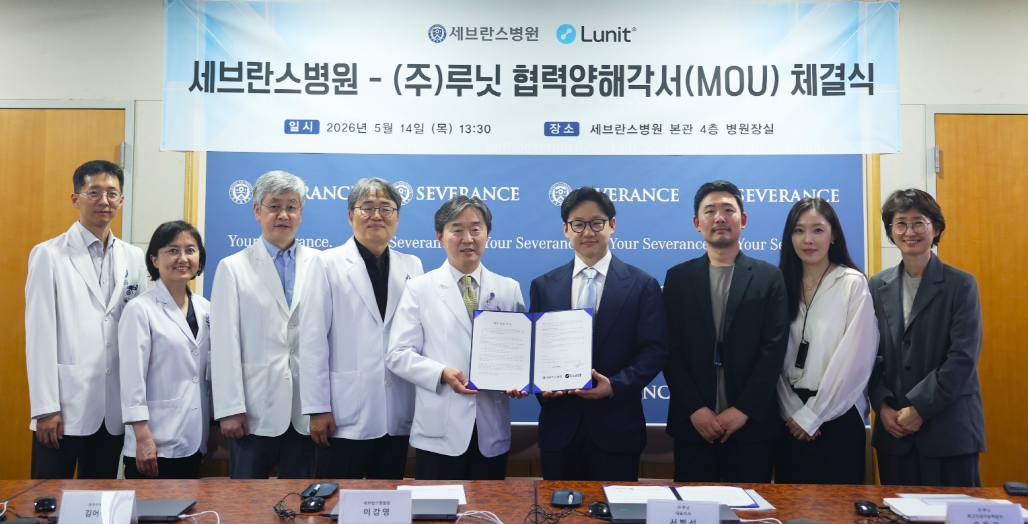
- What happened: Lunit signed an MOU with Severance Hospital for the joint development and clinical deployment of medical AI foundation models, accelerating the adoption of their solutions in major domestic hospitals.
- Numbers: Over 930,000 cumulative U.S. SaaS subscriptions (reported separately).
- Implications: Lunit is pursuing a dual-track growth strategy: overseas (U.S. subscription model) and domestic (clinical deployment at Severance). As the global digital pathology M&A market grows, Lunit is seeing its valuation reassessed. Partnerships with major hospitals serve as vital references for overseas contracts.
Lunit — 930,000 U.S. SaaS Subscriptions & Digital Pathology M&A Prospects

- What happened: Lunit’s cumulative subscriptions for its U.S. AI medical solutions surpassed 930,000. Analysts believe the active global digital pathology M&A market offers further upside for the company.
- Numbers: More than 930,000 cumulative U.S. SaaS subscriptions.
- Implications: The shift toward a subscription-based revenue model enhances earnings visibility, making Lunit more attractive to institutional investors. The expansion of the global digital pathology market increases the likelihood of Lunit being viewed as a prime M&A target or strategic partner.
K-Implant (Osstem, Dentium) — Confirmed as World's 2nd Largest Exporter
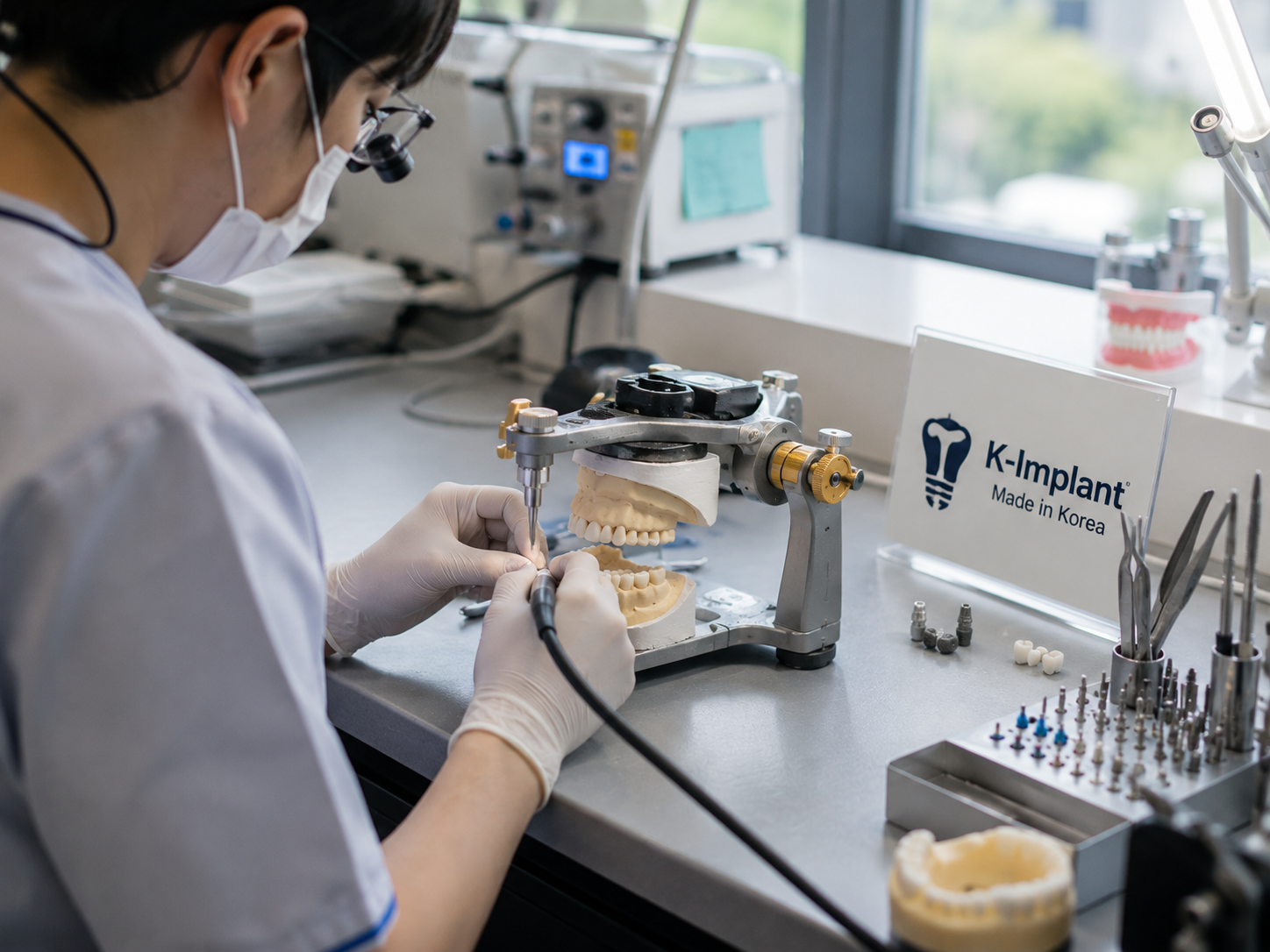
- What happened: Korea confirmed its position as the world's second-largest dental implant exporter, driven by firms like Osstem and Dentium. The Gangnam clinic cluster in Seoul acts as a "Global Dental Hub," supported by a high influx of international dental tourists.
- Numbers: Rank: 2nd globally in implant exports.
- Implications: K-implants, known for their price competitiveness and quality, are solidifying their global footing. The success model of the Gangnam cluster is considered exportable to emerging markets in Southeast Asia and the Middle East.
Regulatory and Policy Updates
Note: This summary reflects regulatory trends identified through recent searches; new notifications issued after 2026-05-18 may not be included.
Abolition of "Grace Period for Sales Suspension" upon GMP Violations
- Details: The Ministry of Food and Drug Safety (MFDS) has ended the "grace period" previously granted when companies violated GMP regular audits. While the 30-day grace period for remedial actions remains upon a "conditional" result, the broader practice of comprehensive grace periods has been terminated.
- Target: All medical device manufacturers and importers (including in vitro diagnostics).
- Implementation: March 2026.
- Impact: Proactive compliance is now mandatory before GMP expiration dates. Small businesses and local firms handling imports must urgently strengthen their GMP management capabilities.
New Government Supply System for Rare Disease Medical Devices
- Details: The Medical Device Act was amended to establish a government-led supply system for medical devices for rare disease patients. The amendment also includes a ban on false expert endorsements generated by AI.
- Target: Rare disease medical device manufacturers, distributors, and digital ad platforms.
- Implementation: Early May 2026.
- Impact: Stable supply chains are expected as the government takes on a procurement role. The ban on AI-generated false ads will force a structural shift in online healthcare marketing.
Rapid Market Entry for Innovative Medical Devices
- Details: The Ministry of Health and Welfare and the MFDS launched a "Market-Ready Innovative Medical Technology" system, reducing clinical entry time to as little as 80 days. AI and big data-driven products are prioritized.
- Target: Designated innovative medical devices (AI, big data).
- Implementation: January 26, 2026 (Full operation after pilot phase).
- Impact: Market entry will be significantly faster, particularly boosting clinical adoption for firms like Lunit and Vuno. Investors will benefit from earlier revenue recognition as the process is months shorter than the traditional New Health Technology Assessment (HTA).
Insights
The FDA's 2026 guideline updates provide a structural opportunity for Korean AI medical firms like Lunit and Vuno. Combined with the domestic "Market-Ready Innovative Medical Technology" system, companies are well-positioned for simultaneous global and local entry. Lunit’s MOU with Severance Hospital serves as a double-edged strategy: building local references while gathering Real-World Data (RWD) to bolster international regulatory competitiveness. Meanwhile, Samsung’s declaration of a "Connected Home Care Platform" signals the collapse of the barrier between medical devices and consumer electronics. Startups in wearables and remote monitoring must now decide whether to integrate with the Samsung ecosystem or define a clear, independent path.
This Week's Checkpoints
- Lunit Performance & Partnerships: Monitor for follow-up announcements regarding additional hospital partnerships post-Severance MOU.
- MFDS AI Guideline Updates: Check for alignment with FDA 2026 guidelines and potential updates to domestic SaMD (Software as a Medical Device) review standards.
- Samsung Home Care Roadmap: Keep an eye on announcements regarding integration between Galaxy Watch/Samsung Health and hospital EMR systems.
Reader Action Items
- AI Medical Device Practitioners: Review the full text of the FDA 2026 guidelines and pre-classify your products to see if they qualify for low-risk exemptions, then update your U.S. market entry strategy.
- Investors: Update valuation models for Lunit based on their 930,000 U.S. subscriptions and M&A trends. Track the monetization timeline of the Severance MOU (clinical deployment to reimbursement status).
- Digital Health Founders: Check the requirements for "Innovative Medical Device" designation under the MFDS fast-track system to see if you qualify for the 80-day entry path, and incorporate this into your commercialization roadmap.
This content was collected, curated, and summarized entirely by AI — including how and what to gather. It may contain inaccuracies. Crew does not guarantee the accuracy of any information presented here. Always verify facts on your own before acting on them. Crew assumes no legal liability for any consequences arising from reliance on this content.
Powered by
