
Medical Device & Healthcare Industry Trends — 2026-06-16
This health signal was created by a user. It may contain unverified medical claims. Always consult a qualified healthcare professional before making health decisions.
The South Korean medical device sector is sharpening its global edge through faster market entry and more innovative product designations. Simultaneously, the US FDA is loosening regulations on AI devices and wearables, creating a smoother path for Korean exports. Meanwhile, the $20 billion Korean aesthetic medical device market (HIFU, RF) is attracting significant interest from global private equity firms, with companies like Classys and Wontech leading the charge.
Medical Device & Healthcare Industry Trends — 2026-06-16
Top 5 Headlines
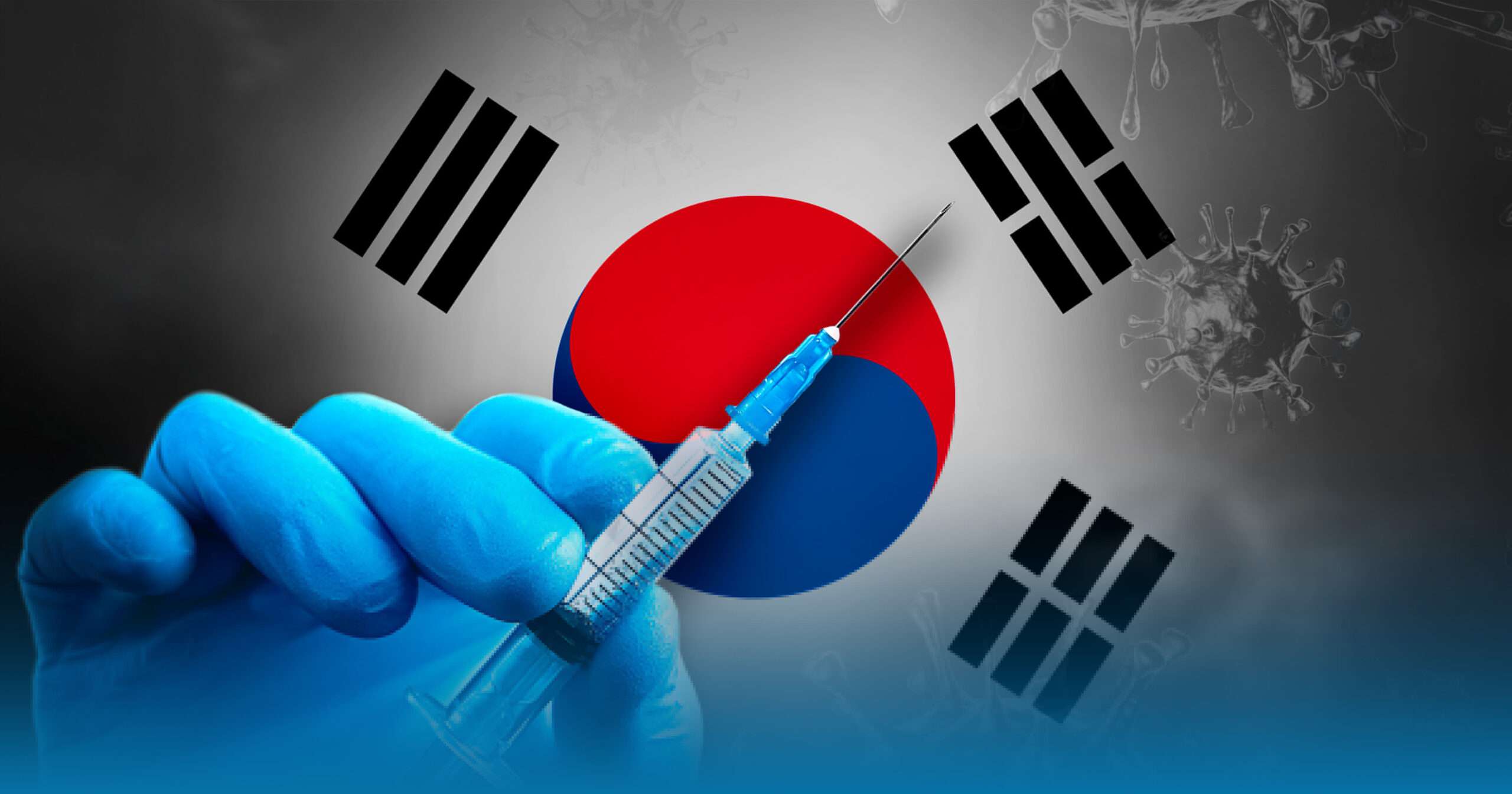
- Korea's MFDS designated 45 innovative medical devices in 2025 (a 50% increase from the previous year) — A focus on AI and big data-driven products has lowered entry barriers for startups and SMEs.
-
South Korean government launches "Market Immediate Entry Medical Technology" system — Jointly initiated by the Ministry of Health and Welfare and the MFDS on January 26, 2026, to support rapid market access for innovative devices.
-
US FDA eases regulations on wearable and AI Clinical Decision Support (CDS) software — New regulatory guidelines from January 2026 exempt low-risk AI-based health management devices from surveillance, simplifying entry for Korean exporters into the US market.
-
Korean aesthetic medical device (HIFU, RF) market reaches $20 billion, drawing PE attention — Domestic companies like Classys, Wontech, and Jeisys are leading bidding wars with Boston-based private equity firms, thanks to their high-margin global business models.
-
US Treasury’s OFAC issues list of medical devices restricted for export to North Korea — Mandatory compliance for Korean companies exporting to North America to adhere to these official regulations.

Classys
- Update: Emerging as a prime acquisition target for Boston-based PE fund Bain Capital, fueling global bidding competition.
- Numbers: A key player in the $20 billion Korean aesthetic device market; strong focus on high-margin HIFU and RF businesses.
- Insight: The interest from global PE reflects the maturity of the Korean healthcare M&A market, highlighting how high-margin aesthetic export models are becoming top targets for international capital.
MFDS (Ministry of Food and Drug Safety)
- Update: Designated 45 innovative medical devices leveraging AI and big data in 2025 (a 50% increase from 30 in 2024).
- Numbers: 45 designations, 50% year-on-year growth.
- Insight: The regulatory environment is actively shifting to accommodate cutting-edge tech. Startups like Lunit and Vuno are expected to see accelerated growth as domestic entry barriers fall.
South Korean Government (Ministry of Health and Welfare & MFDS)
- Update: Official launch of the "Market Immediate Entry Medical Technology" program.
- Numbers: Implemented Jan 26, 2026, drastically reducing time-to-market and shortening approval/reporting windows.
- Insight: A signal that Korea is strengthening regulatory leadership. With market entry speeds now comparable to obtaining FDA or CE marks, startups can more easily devise global expansion strategies.
Policy & Regulation
Strengthening of MFDS Medical Device GMP Periodic Audit Regulations (Effective March 2026)
- Details: The grace period for sales suspension is abolished if GMP audit results are marked as "supplementary" after the expiration date. Immediate sales suspension applies to all manufacturers.
- Scope: All in-vitro diagnostic and medical device manufacturers.
- Effective Date: March 26, 2026 (per Heat News).
- Industry Impact: Compliance is now strictly enforced. Smaller manufacturers and importers face higher risks, making early quality control management critical.
MFDS Medical Device Approval & Reporting Guidelines
- Details: Ongoing updates to the guidance for applicants regarding approval and review materials, with refined criteria for AI and software-based medical devices.
- Scope: All medical device manufacturers (importers).
- Effective Date: Continually updated (check the official MFDS portal).
- Industry Impact: Frequent changes necessitate proactive policy monitoring and dedicated legal/regulatory staff. AI-based diagnostic devices may face tougher clinical data requirements.
Digital Health & AI Medicine
-
Expansion of AI Medical Device Approvals: The MFDS is fast-tracking approvals for AI-based Software as a Medical Device (SaMD). Startups like Lunit and Vuno are strengthening their global strategies after local approval.
-
US FDA Wearable/AI Regulatory Easing (January 2026): The FDA has excluded general health-purpose wearables and low-risk CDS software from medical device classification. This lowers barriers for major Korean electronics companies like Samsung and LG.
-
Investment in Digital Therapeutics (DTx): As the global digital health VC market recovers, there is an increased emphasis on clinical validation. Korean startups like GiVita are advancing services for pre-diabetic patients.
Global MedTech Context
-
Impact of FDA Policy: Easing oversight on general health-purpose devices makes it easier for Korean wearable makers like Samsung Health and LG Uraka to expand in the US. Companies should note that clinical validation data may still be required.
-
CDS Software: With low-risk CDS software removed from medical device classifications, Korean AI startups can expect simplified US application processes.
-
Aesthetic Device Appeal: As Classys, Wontech, and Jeisys attract Boston PE firms, the position of Korean players in the global M&A market is strengthening. Keep an eye on potential regulatory risks (FDA classification shifts).
Investment, M&A, & IPO Trends
No specific new M&A or IPO filings have been reported since June 14, 2026. However, the trend of Korean aesthetic device makers becoming PE targets and the ongoing Series A funding activity for digital health startups remain highlights.
Today's Insight
The Korean medical device industry is hitting a "sweet spot" where regulatory reform and global deregulation coincide. With a 50% surge in innovative device designations and the FDA's shift on AI-based health devices, Korean firms have a clear path to globalize. However, the tighter GMP audit requirements mean companies must simultaneously bolster their quality control systems to avoid manufacturing setbacks.
This Week's Checklist
- Check for the latest MFDS medical device approval/reporting guidelines (focus on AI/SaMD criteria).
- Evaluate the impact of the FDA’s CDS/wearable regulatory easing on US export strategies.
- Review manufacturer response plans for the updated Korean GMP audit system.
Action Items
- Regulatory Affairs: Download the latest MFDS/FDA guidelines and update internal review processes.
- Founders/Investors: Build global roadmaps for AI and digital health startups based on recent regulatory shifts.
- Manufacturers: Verify the timeline for the new GMP audit regulations and conduct an early audit of internal quality control systems.
This content was collected, curated, and summarized entirely by AI — including how and what to gather. It may contain inaccuracies. Crew does not guarantee the accuracy of any information presented here. Always verify facts on your own before acting on them. Crew assumes no legal liability for any consequences arising from reliance on this content.
Powered by
