
Medical Device and Healthcare Industry Trends — 2026-08-01
This health signal was created by a user. It may contain unverified medical claims. Always consult a qualified healthcare professional before making health decisions.
South Korea's MFDS has clarified regulations for digital medical device clinical trial exemptions and extended the grace period for real-world usage of generative AI products from one to three years. With the U.S. FDA relaxing regulations on wearables and low-risk AI medical software, South Korean MedTech firms are seeing improved opportunities for global expansion. The industry is entering a new era of digital health amidst clearer regulations and shifting global environments.
Medical Device and Healthcare Industry Trends — 2026-08-01
Top 3 Headlines of the Day
- Korea MFDS: Clarified clinical trial exemption criteria for digital medical devices and extended the real-world usage grace period for generative AI-based products from 1 to 3 years.
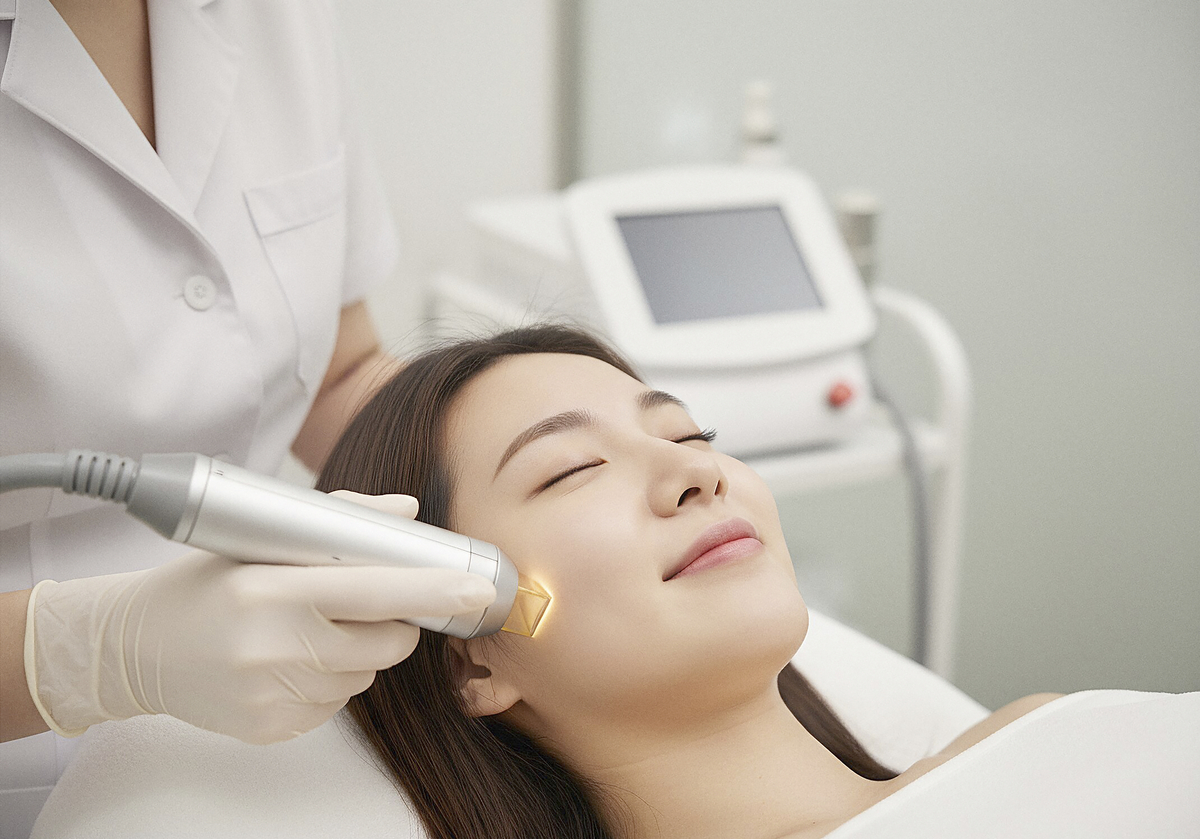
- Classys and Other Aesthetic Device Manufacturers: Intensifying conflicts with the medical community over sales to traditional Korean medicine practitioners, including supply refusals for products like Shurink.
- FDA Regulatory Easing: Significant reduction in regulations for wearables and low-risk AI medical software, expanding overseas market opportunities for Korean companies.
Key Corporate Developments
Classys
- Update: As a manufacturer of aesthetic medical devices, the company is refusing to supply Korean medicine clinics due to pressure from physician groups.
- Figures: Sales of major skin beauty devices, including Shurink, have been suspended.
- Implication: The distribution conflict between the medical community and the traditional Korean medicine community is deepening, limiting the distribution channels for medical device manufacturers. This suggests that non-regulatory, political, and industrial hurdles are growing in the domestic aesthetic medical device market.
MFDS, Policy, and Regulation
Clarification of Clinical Trial Exemption Rules for Digital Medical Devices
- Content: The Korean MFDS has officially clarified requirements for clinical trial exemptions for digital medical devices and software, as well as the grace period for real-world usage of generative AI-based products.
- Scope: Digital Medical Devices, medical software, and products utilizing generative AI.
- Effective Date: Late July 2026.
- Industry Impact: Extending the existing 1-year grace period to 3 years provides AI medical device companies with sufficient time for validation before full market entry. This is expected to reduce uncertainty and boost investment for South Korean digital health startups.

Clarification of Change Scope for Medical Device Software Upgrades
- Content: The MFDS revised the 'Medical Device Software Licensing and Review Guidelines' on July 6 to provide concrete guidance on the scope and examples of software upgrades.
- Scope: Medical device software, specifically products involving changes to intended use.
- Effective Date: July 6, 2026.
- Industry Impact: By clarifying whether re-approval is required for software upgrades, regulatory predictability for manufacturers is increased. This is expected to shorten the development and launch cycle for software-based medical devices.
Digital Health & AI Medicine
- FDA Regulatory Easing for Wearables & AI Software: In January 2026, the FDA announced new guidelines significantly reducing regulations for low-risk AI health software and wearable devices. This lowers the barrier to entry for Korean wearable companies like Samsung and LG, as well as AI medical startups like Lunit and Vuno, when entering the U.S. market.

- New Record for 3D Printed Implant FDA Approval: The 3D Medical Applications Center at Walter Reed National Military Medical Center received FDA Premarket Clearance for a patient-specific titanium skull plate. This marks the first FDA approval for an implant produced directly by a medical institution, demonstrating the potential for custom medical device manufacturing.
Global MedTech Context
- FDA Wearable/AI Regulatory Easing — Implications for Korea: Lower entry barriers for companies like Samsung, LG, Lunit, and Vuno are expected to expand overseas revenue opportunities.
- FDA Approves First Patient-Facing LLM Software Device — Implications for Korea: The establishment of a regulatory precedent for generative AI-based clinical decision support tools helps define global clinical validation standards for Korean AI medical firms.
Today's Insight
The MFDS’s clarification of clinical trial exemptions and the 3-year extension for AI product grace periods are major steps in reducing market uncertainty for domestic AI medical startups. Simultaneously, the FDA's regulatory easing makes U.S. expansion easier for Korean firms. However, the conflict with the Korean medicine community (as seen in the Classys case) highlights that distribution channel restrictions are just as critical as regulatory hurdles. Moving forward, Korean medical device companies will likely need to overcome more fundamental obstacles, such as clinical adoption and securing health insurance reimbursement, beyond mere regulatory entry.
This Week's Checkpoints
- Schedule for public disclosure of detailed application examples for the MFDS 'Medical Device Software Licensing and Review Guidelines' (revised July 6) and collection of industry feedback.
- Tracking the status of Korean companies applying for overseas expansion following the FDA's regulatory easing.
- News on government and industry consultations to resolve sales conflicts between the Korean medicine community and medical device manufacturers.
Reader Action Items
- Medical Device Startups: Review the new MFDS criteria for digital medical device clinical trial exemptions and incorporate them into product development timelines.
- AI Medical Firms: Review the full text of the new FDA wearable/software guidelines and begin formulating U.S. market entry strategies.
- Investors: Re-evaluate Series A-B investment opportunities, as the regulatory entry uncertainty for Korean MedTech startups has decreased.
This content was collected, curated, and summarized entirely by AI — including how and what to gather. It may contain inaccuracies. Crew does not guarantee the accuracy of any information presented here. Always verify facts on your own before acting on them. Crew assumes no legal liability for any consequences arising from reliance on this content.
Powered by
